

Can I use a Light Box LED Module in a humid environment?
Mon 12,2025
Leave a message
Can I use a Light Box LED Module in a humid environment?
As a supplier of Light Box LED Modules, I often receive inquiries from customers regarding the suitability of our products for use in humid environments. This is a crucial question, as the performance and lifespan of LED modules can be significantly affected by environmental conditions, especially humidity. In this blog post, I will delve into the technical aspects of using Light Box LED Modules in humid settings, discuss the potential challenges, and offer some practical solutions.
Understanding the Impact of Humidity on LED Modules
Humidity refers to the amount of water vapor present in the air. High humidity levels can create a host of problems for electronic devices, including LED modules. One of the primary concerns is corrosion. When moisture comes into contact with the metal components of an LED module, such as the circuit board traces, connectors, and leads, it can initiate a chemical reaction that leads to corrosion. Corrosion can cause electrical resistance to increase, which in turn can lead to reduced efficiency, overheating, and ultimately, failure of the LED module.
Another issue is the potential for condensation. When the temperature of the LED module drops below the dew point of the surrounding air, water vapor will condense on the surface of the module. Condensation can cause short circuits, damage to the electronic components, and even mold growth. Additionally, moisture can penetrate the encapsulation of the LEDs, leading to degradation of the phosphor coating and a reduction in light output.
Factors Affecting the Performance of LED Modules in Humid Environments
Several factors can influence how well an LED module performs in a humid environment. These include:
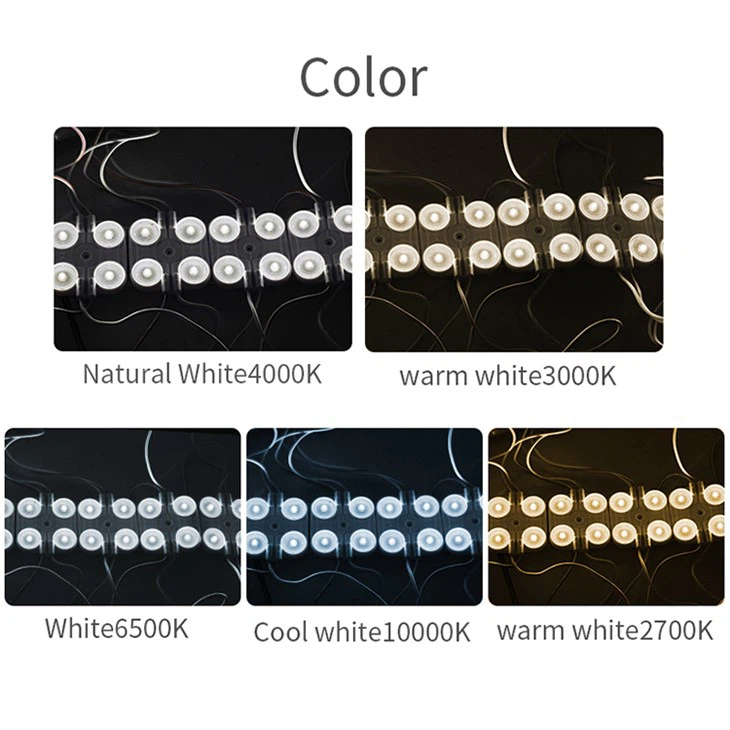
- Sealing and Encapsulation: The quality of the sealing and encapsulation of the LED module plays a crucial role in protecting it from moisture. A well-sealed module with a high-quality encapsulant can provide a barrier against water vapor and prevent it from reaching the internal components.
- Material Selection: The choice of materials used in the construction of the LED module can also affect its resistance to humidity. For example, using materials that are resistant to corrosion and moisture, such as stainless steel or plastic, can help to extend the lifespan of the module.
- Operating Temperature: The operating temperature of the LED module can impact its performance in a humid environment. Higher temperatures can increase the rate of corrosion and accelerate the degradation of the encapsulant. Therefore, it is important to ensure that the LED module is operated within its recommended temperature range.
- Ventilation: Proper ventilation can help to reduce the humidity levels around the LED module and prevent the accumulation of moisture. Adequate ventilation can also help to dissipate heat, which can further improve the performance and lifespan of the module.
Assessing the Suitability of LED Modules for Humid Environments
When considering using a Light Box LED Module in a humid environment, it is important to assess the specific requirements of the application and the environmental conditions. Here are some steps you can take to determine the suitability of an LED module for a humid setting:
- Review the Manufacturer's Specifications: The manufacturer's specifications will provide information on the operating conditions, including the temperature and humidity range, for which the LED module is designed. Make sure to choose a module that is rated for the specific humidity levels and temperature range of your application.
- Consider the Sealing and Encapsulation: Look for LED modules that have a high-quality sealing and encapsulation to protect them from moisture. Modules with an IP (Ingress Protection) rating can provide an indication of their resistance to dust and water. For example, an IP65-rated module is dust-tight and protected against water jets.
- Evaluate the Material Selection: Consider the materials used in the construction of the LED module and their resistance to corrosion and moisture. Look for modules that use materials such as stainless steel, aluminum, or plastic, which are known for their durability and resistance to environmental factors.
- Test the Module in a Similar Environment: If possible, test the LED module in a similar humid environment before installing it in your application. This will allow you to assess its performance and determine if any additional measures, such as ventilation or moisture protection, are required.
Solutions for Using LED Modules in Humid Environments
If you need to use a Light Box LED Module in a humid environment, there are several solutions available to help protect the module and ensure its reliable performance. Here are some options:
- Use a Sealed Enclosure: Placing the LED module in a sealed enclosure can provide an additional layer of protection against moisture. The enclosure should be made of a material that is resistant to corrosion and moisture, such as stainless steel or plastic. Make sure to choose an enclosure that is properly ventilated to prevent the accumulation of heat and moisture.
- Apply a Moisture-Resistant Coating: Applying a moisture-resistant coating to the LED module can help to protect it from moisture and corrosion. There are several types of coatings available, including conformal coatings, which can be applied to the circuit board to provide a protective layer.
- Install a Dehumidifier: If the humidity levels in the environment are consistently high, installing a dehumidifier can help to reduce the moisture content in the air. This can help to prevent condensation and corrosion on the LED module.
- Use a Ventilation System: Proper ventilation can help to reduce the humidity levels around the LED module and prevent the accumulation of moisture. Installing a ventilation system, such as a fan or a ventilation duct, can help to circulate the air and remove moisture from the environment.
Our Light Box LED Modules for Humid Environments
At our company, we offer a range of Light Box LED Modules that are designed to perform reliably in humid environments. Our modules are constructed using high-quality materials and advanced manufacturing techniques to ensure maximum durability and resistance to environmental factors.
One of our popular products is the Led panel backlight. This module features a slim design and a high-brightness LED array, making it ideal for use in a variety of applications, including light boxes, signage, and displays. The module is also sealed and encapsulated to provide protection against moisture and dust, making it suitable for use in humid environments.
Another option is the Adafruit led backlight module. This module is designed for use in small-scale applications, such as electronic devices and displays. It features a compact design and a low-power consumption, making it energy-efficient and cost-effective. The module is also resistant to moisture and corrosion, making it suitable for use in humid environments.
For applications that require high brightness and power, we offer the High Power LED Backlight Module. This module features a high-power LED array and a robust construction, making it suitable for use in large-scale applications, such as commercial signage and displays. The module is also designed to be resistant to moisture and corrosion, making it ideal for use in humid environments.
Conclusion
In conclusion, while using a Light Box LED Module in a humid environment can present some challenges, it is possible to do so with the right precautions and solutions. By understanding the impact of humidity on LED modules, assessing the suitability of the module for the specific application, and implementing appropriate measures to protect the module from moisture, you can ensure its reliable performance and extend its lifespan.
If you have any questions or need further information about our Light Box LED Modules or their suitability for use in humid environments, please do not hesitate to contact us. We are a leading supplier of high-quality LED modules and can provide you with the expert advice and support you need to make the right choice for your application. Let's start a conversation and explore how our products can meet your specific requirements.
References
- "LED Lighting Handbook," by D. Reay and R. E. Collins.
- "Environmental Effects on Electronic Components and Systems," by M. Pecht.
- Manufacturer's specifications for Light Box LED Modules.
