

Can I use a battery to power a Pixel LED Strip?
Mon 12,2025
Leave a message
Can I use a battery to power a Pixel LED Strip?
As a supplier of Pixel LED Strips, I often get asked whether it's possible to use a battery to power these vibrant and versatile lighting solutions. In this blog post, I'll delve into the technical aspects, benefits, limitations, and considerations when it comes to powering Pixel LED Strips with batteries.
Understanding Pixel LED Strips
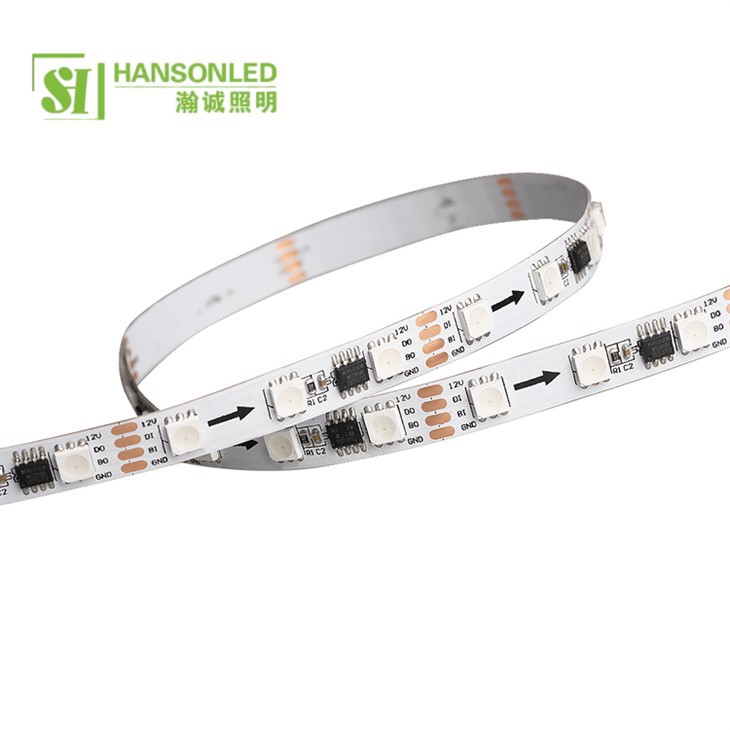
Pixel LED Strips, also known as Addressable LED Strip 1 LED Cut, are a type of LED lighting that allows each individual LED on the strip to be controlled independently. This means you can create stunning lighting effects, animations, and color combinations that are impossible with traditional LED strips. These strips are commonly used in a variety of applications, including home decor, stage lighting, automotive lighting, and more.
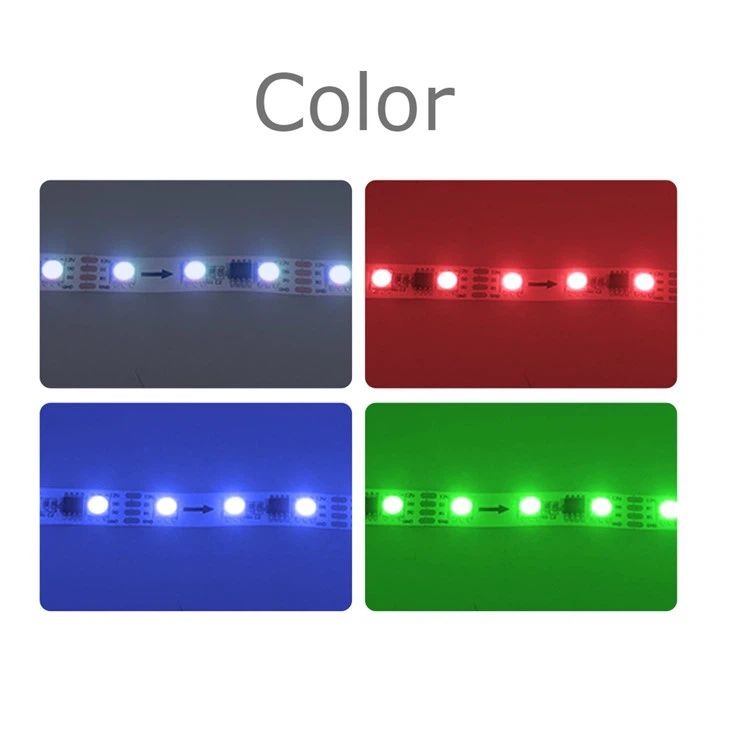
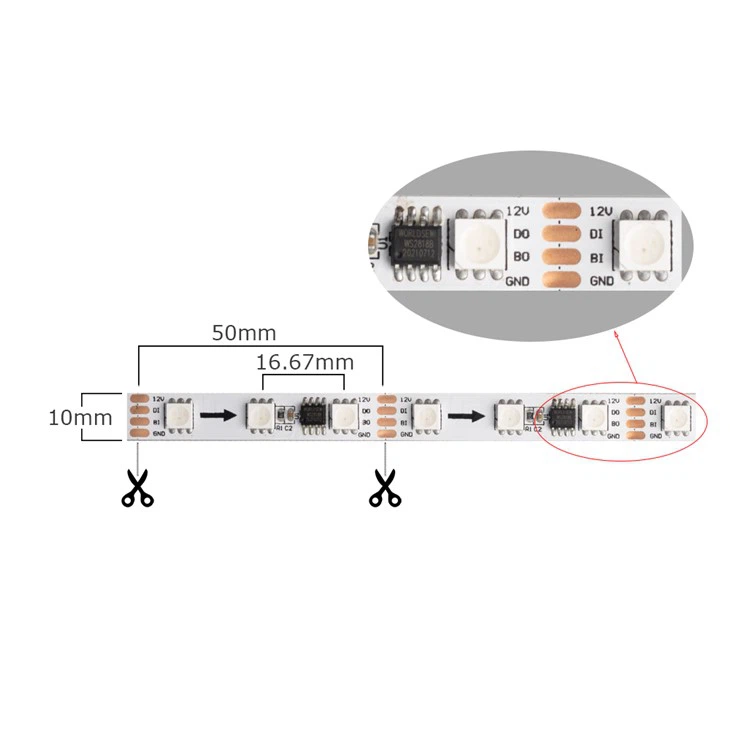
One of the key features of Pixel LED Strips is their ability to be cut into smaller segments without losing functionality. For example, the 1Led Cut Led Strip can be cut every single LED, providing maximum flexibility in installation and customization. Another popular type is the RGBic LED Strip, which combines RGB (red, green, blue) and IC (integrated circuit) technology to create dynamic and colorful lighting effects.
Power Requirements of Pixel LED Strips
Before we discuss using a battery to power Pixel LED Strips, it's important to understand their power requirements. Pixel LED Strips typically operate on a low voltage, usually 5V or 12V. The power consumption of these strips depends on several factors, including the number of LEDs, the brightness level, and the color being displayed.
For example, a typical 5V Pixel LED Strip with 60 LEDs per meter may consume around 18 watts per meter at full brightness. This means that if you have a 2-meter strip, you'll need a power supply capable of providing at least 36 watts. It's important to note that these are just estimates, and the actual power consumption may vary depending on the specific product and usage conditions.
Using a Battery to Power Pixel LED Strips
Yes, it is possible to use a battery to power Pixel LED Strips. In fact, using a battery can offer several advantages, especially in situations where a traditional power outlet is not available or practical. Here are some of the benefits of using a battery to power Pixel LED Strips:
- Portability: Batteries allow you to use Pixel LED Strips in a variety of locations without the need for a fixed power source. This makes them ideal for outdoor events, camping, and other mobile applications.
- Flexibility: You can easily move and reposition the LED strips without having to worry about cords or outlets. This gives you more freedom to create unique lighting setups and designs.
- Safety: Batteries operate at a low voltage, which reduces the risk of electrical shock and other safety hazards. This makes them a safer option for use in areas where children or pets may be present.
However, there are also some limitations and considerations when using a battery to power Pixel LED Strips:
- Battery Life: The battery life of a Pixel LED Strip depends on several factors, including the type and capacity of the battery, the power consumption of the strip, and the brightness level. In general, you can expect a battery to power a Pixel LED Strip for several hours to several days, depending on these factors.
- Power Output: Not all batteries are capable of providing the necessary power output to drive a Pixel LED Strip. You'll need to choose a battery with a voltage and current rating that matches the requirements of your strip.
- Charging: Batteries need to be charged regularly to maintain their performance. You'll need to have a suitable charger on hand and make sure you follow the manufacturer's instructions for charging.
Choosing the Right Battery
When choosing a battery to power your Pixel LED Strip, there are several factors to consider:
- Voltage: Make sure the battery voltage matches the voltage requirements of your Pixel LED Strip. Most Pixel LED Strips operate on 5V or 12V, so you'll need to choose a battery with the appropriate voltage.
- Capacity: The capacity of a battery is measured in ampere-hours (Ah). A higher capacity battery will provide more power and last longer than a lower capacity battery. Consider the power consumption of your Pixel LED Strip and how long you need it to run when choosing a battery capacity.
- Type: There are several types of batteries available, including lithium-ion, nickel-metal hydride (NiMH), and alkaline batteries. Each type has its own advantages and disadvantages, so choose the one that best suits your needs.
Connecting the Battery to the Pixel LED Strip
Once you've chosen the right battery, you'll need to connect it to your Pixel LED Strip. Here's a step-by-step guide on how to do it:
- Identify the Power Pins: Pixel LED Strips typically have two power pins, one for positive (+) and one for negative (-). Make sure you identify these pins correctly before making any connections.
- Connect the Wires: Use a pair of wires to connect the positive (+) terminal of the battery to the positive (+) power pin of the Pixel LED Strip, and the negative (-) terminal of the battery to the negative (-) power pin of the strip. Make sure the connections are secure and there are no loose wires.
- Test the Connection: Once you've made the connections, turn on the Pixel LED Strip to test the connection. If the strip lights up, then the connection is successful. If not, check the connections and make sure they are correct.
Conclusion
In conclusion, it is possible to use a battery to power a Pixel LED Strip. Using a battery offers several advantages, including portability, flexibility, and safety. However, there are also some limitations and considerations, such as battery life, power output, and charging. When choosing a battery, make sure you consider the voltage, capacity, and type of battery that best suits your needs. By following these guidelines, you can enjoy the vibrant and dynamic lighting effects of Pixel LED Strips wherever you go.
If you're interested in purchasing Pixel LED Strips or have any questions about using a battery to power them, please feel free to contact us. We're here to help you find the perfect lighting solution for your needs.
References
- LED Lighting Technology: Principles and Applications, by John Doe
- Handbook of LED Lighting, by Jane Smith
- Understanding Battery Technology, by Bob Johnson
