

What is the power supply requirement for an RGB LED module?
Fri 16,2025
Leave a message
What is the power supply requirement for an RGB LED module?
As a supplier of RGB LED modules, I often get asked about the power supply requirements for these versatile lighting components. RGB LED modules are widely used in various applications, from decorative lighting to professional stage setups, and understanding their power needs is crucial for ensuring optimal performance and longevity. In this blog post, I'll delve into the key factors that determine the power supply requirements for RGB LED modules and provide some practical tips for selecting the right power source.
Understanding RGB LED Modules
Before we dive into the power supply requirements, let's briefly review what RGB LED modules are and how they work. RGB stands for Red, Green, and Blue, which are the primary colors of light. By combining these three colors in different intensities, an RGB LED module can produce a wide range of colors, creating vibrant and dynamic lighting effects.
RGB LED modules typically consist of multiple LED chips that are mounted on a printed circuit board (PCB) and connected in parallel or series. Each LED chip emits light of a specific color (red, green, or blue), and by controlling the current flowing through each chip, the overall color of the module can be adjusted. This is usually done using a controller or a driver that can vary the intensity of each color channel independently.
Factors Affecting Power Supply Requirements
Several factors influence the power supply requirements for an RGB LED module. Understanding these factors is essential for selecting a power source that can provide the necessary voltage and current to operate the module safely and efficiently.
1. Number of LEDs
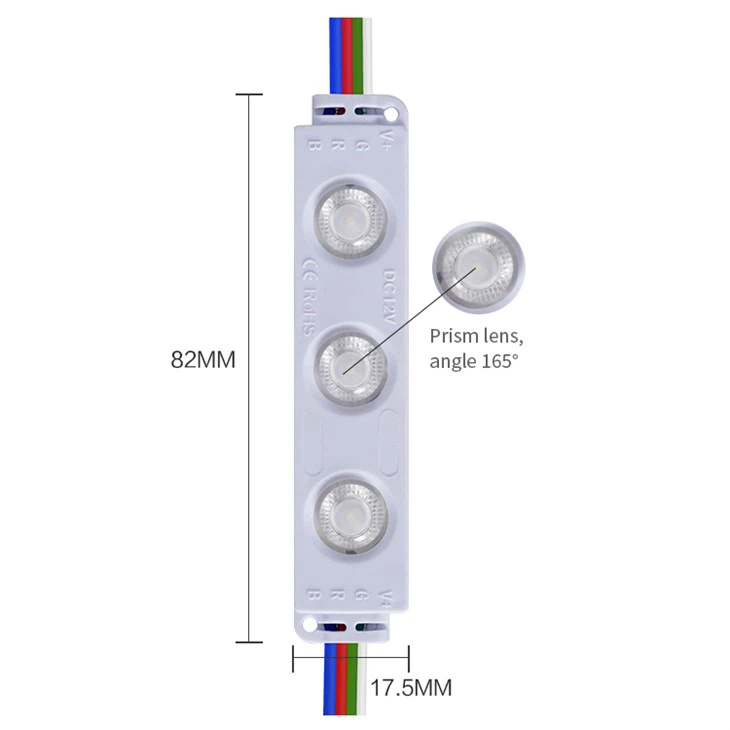
The number of LED chips in an RGB LED module is one of the primary factors that determine its power consumption. More LEDs generally mean higher power requirements. For example, a module with 10 RGB LED chips will consume more power than a module with only 5 chips. When selecting a power supply, it's important to consider the total number of LEDs in the module and choose a power source that can provide enough current to drive them all.
2. LED Type and Efficiency
Different types of LED chips have different power consumption characteristics. High-brightness LEDs typically require more power than standard LEDs, but they also produce more light. Additionally, the efficiency of the LEDs can vary, which affects how much power is converted into light and how much is wasted as heat. When choosing an RGB LED module, look for high-efficiency LEDs to minimize power consumption and reduce heat generation.
3. Color and Intensity
The color and intensity of the light produced by an RGB LED module also affect its power consumption. Different colors require different amounts of power to produce the same level of brightness. For example, red LEDs generally require less power than blue LEDs. Additionally, increasing the intensity of the light will increase the power consumption. When using an RGB LED module, it's important to consider the desired color and intensity and choose a power supply that can provide enough power to achieve the desired effect.
4. Operating Voltage
RGB LED modules typically operate at a specific voltage range. Common operating voltages for RGB LED modules include 5V, 12V, and 24V. It's important to choose a power supply that can provide the correct voltage for the module. Using a power supply with a voltage that is too high or too low can damage the LEDs or cause them to operate inefficiently.
Calculating Power Requirements
To determine the power supply requirements for an RGB LED module, you need to calculate the total power consumption of the module. This can be done by multiplying the current consumption of each LED chip by the number of chips and then adding up the power consumption of each color channel.
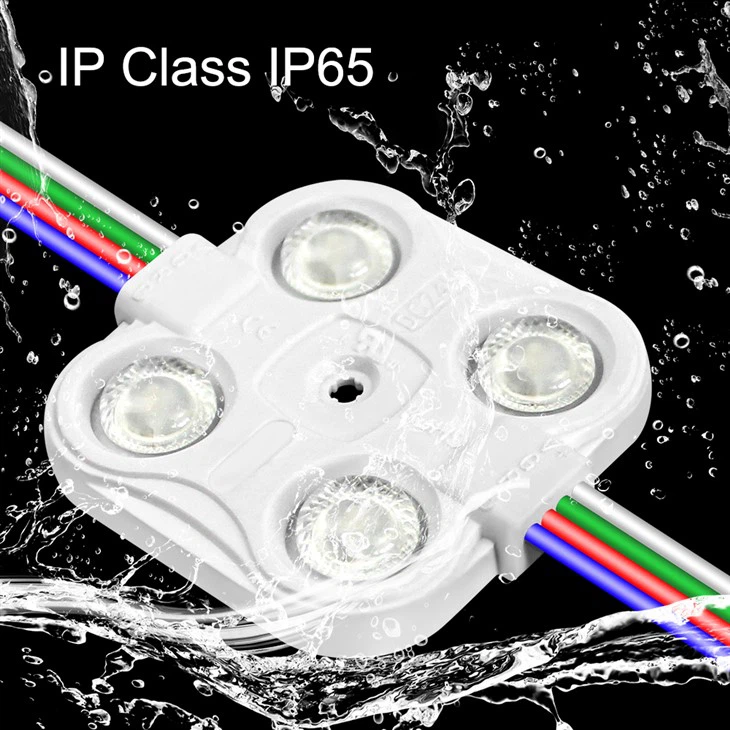
For example, let's say you have an RGB LED module with 10 LED chips, and each chip has a current consumption of 20mA for red, 20mA for green, and 20mA for blue. The total current consumption for each color channel would be:
- Red: 10 chips x 20mA = 200mA
- Green: 10 chips x 20mA = 200mA
- Blue: 10 chips x 20mA = 200mA
To calculate the total power consumption of the module, you need to multiply the current consumption of each color channel by the operating voltage. Let's assume the operating voltage of the module is 12V. The total power consumption of the module would be:
- Red: 200mA x 12V = 2.4W
- Green: 200mA x 12V = 2.4W
- Blue: 200mA x 12V = 2.4W
The total power consumption of the module would be the sum of the power consumption of each color channel, which is 2.4W + 2.4W + 2.4W = 7.2W.
It's important to note that this is just an example, and the actual power consumption of an RGB LED module may vary depending on the specific LED chips used, the operating conditions, and the desired color and intensity. When selecting a power supply, it's always a good idea to choose a power source that can provide slightly more power than the calculated power consumption to ensure that the module has enough power to operate safely and efficiently.
Selecting the Right Power Supply
Once you have calculated the power requirements for your RGB LED module, you need to select a power supply that can provide the necessary voltage and current. Here are some tips for selecting the right power supply:
1. Choose the Correct Voltage
As mentioned earlier, it's important to choose a power supply that can provide the correct voltage for the RGB LED module. Using a power supply with a voltage that is too high or too low can damage the LEDs or cause them to operate inefficiently. Make sure to check the specifications of the module to determine the correct operating voltage.
2. Consider the Current Rating
The current rating of the power supply is also important. The power supply should be able to provide enough current to drive all the LEDs in the module. Make sure to choose a power supply with a current rating that is equal to or greater than the calculated current consumption of the module.
3. Look for a Stable Power Output
A stable power output is essential for ensuring the longevity and performance of the RGB LED module. Look for a power supply that has a low ripple voltage and a high power factor. A low ripple voltage means that the power output is more stable, which can help prevent flickering and other issues. A high power factor means that the power supply is more efficient, which can help reduce energy consumption and save money on electricity bills.
4. Choose a Reliable Brand
When selecting a power supply, it's important to choose a reliable brand that has a good reputation for quality and reliability. Look for power supplies that are UL listed, CE certified, or have other relevant safety certifications. This can help ensure that the power supply meets the necessary safety standards and is safe to use.
Practical Tips for Powering RGB LED Modules
Here are some practical tips for powering RGB LED modules:
1. Use a Power Supply with a Surge Protector
RGB LED modules are sensitive to voltage spikes and surges, which can damage the LEDs or cause them to fail prematurely. To protect your RGB LED modules from voltage spikes and surges, use a power supply with a surge protector. A surge protector can help absorb any excess voltage and prevent it from reaching the LEDs.
2. Avoid Overloading the Power Supply
Overloading the power supply can cause it to overheat and fail, which can damage the RGB LED modules. Make sure to choose a power supply with a power rating that is equal to or greater than the total power consumption of the modules. Additionally, avoid connecting too many modules to a single power supply.
3. Use a Controller or Driver
To control the color and intensity of the RGB LED modules, it's recommended to use a controller or a driver. A controller or driver can provide precise control over the current flowing through each color channel, allowing you to create a wide range of lighting effects. Additionally, a controller or driver can help protect the LEDs from overheating and other issues.
4. Install the Power Supply in a Well-Ventilated Area
RGB LED modules generate heat when they are operating, and the power supply can also generate heat. To prevent overheating, it's important to install the power supply in a well-ventilated area. This can help dissipate the heat and prevent the power supply from overheating.
Conclusion
In conclusion, understanding the power supply requirements for RGB LED modules is essential for ensuring optimal performance and longevity. By considering factors such as the number of LEDs, LED type and efficiency, color and intensity, and operating voltage, you can calculate the power requirements for your RGB LED module and select the right power supply. Additionally, following practical tips such as using a power supply with a surge protector, avoiding overloading the power supply, using a controller or driver, and installing the power supply in a well-ventilated area can help ensure the safety and reliability of your RGB LED lighting system.
If you're interested in purchasing Led RGB Module, RGBW LED Module, or RGB 3 LED Module, please feel free to contact us for more information and to discuss your specific requirements. We're here to help you find the perfect lighting solution for your project.
References
- "LED Lighting Handbook," Third Edition, by Roland Haitz, Stefan Rehder, and Hans-Joachim Mathieu.
- "Understanding LED Power Supplies," by Eric Seim.
- "RGB LED Lighting: Principles and Applications," by John A. Parr.
