

What color spectrum is suitable for aquarium lighting with the 3838 RGB LED Strip?
Tue 27,2025
Leave a message
When it comes to creating a visually stunning and healthy environment for your aquarium, the choice of lighting is crucial. As a supplier of the 3838 RGB LED Strip, I have had the privilege of exploring the intricate relationship between color spectra and aquarium lighting. In this blog, I will delve into the science behind selecting the most suitable color spectrum for aquarium lighting using our 3838 RGB LED Strip.
Understanding the Basics of Aquarium Lighting
Aquarium lighting serves multiple purposes. It not only enhances the aesthetic appeal of the aquarium but also plays a vital role in the biological processes of the aquatic life within. Different species of fish, plants, and invertebrates have varying lighting requirements, and understanding these needs is the first step in choosing the right color spectrum.
The Role of Light in Aquatic Ecosystems
Light is essential for photosynthesis in aquatic plants. Through this process, plants convert light energy into chemical energy, producing oxygen and organic compounds that are vital for the survival of other organisms in the aquarium. Additionally, light influences the behavior, growth, and coloration of fish and invertebrates. For example, some fish species are more active during the day when there is ample light, while others are nocturnal and prefer dimmer conditions.
The Color Spectrum and Its Effects
The visible light spectrum ranges from approximately 380 to 750 nanometers (nm). Each color within this spectrum has different wavelengths and energy levels, which can have distinct effects on aquatic life.
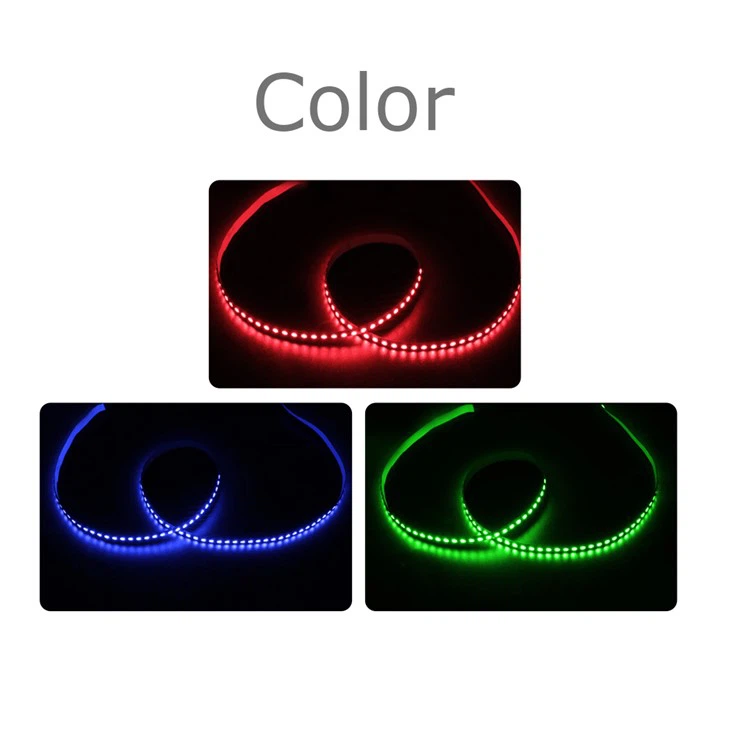
- Red Light (620 - 750 nm): Red light has a longer wavelength and lower energy. It is often used to simulate dawn and dusk conditions, which can help regulate the circadian rhythms of fish. Red light can also enhance the coloration of red and orange fish species, making them more vibrant.
- Green Light (495 - 570 nm): Green light is well - absorbed by aquatic plants and can contribute to photosynthesis. It also provides a natural - looking illumination that is easy on the eyes and can make the aquarium appear more inviting.
- Blue Light (450 - 495 nm): Blue light has a shorter wavelength and higher energy. It is crucial for photosynthesis in plants, especially in the early stages of growth. Blue light also enhances the fluorescence of some corals and invertebrates, creating a beautiful and otherworldly effect.
- White Light: White light is a combination of all colors in the visible spectrum. It provides a balanced illumination that closely mimics natural sunlight, making it suitable for most aquarium setups.
Choosing the Right Color Spectrum for Your Aquarium
The ideal color spectrum for your aquarium depends on several factors, including the type of aquatic life you have, the size of the aquarium, and your personal aesthetic preferences.
Freshwater Aquariums
- Planted Freshwater Aquariums: In planted freshwater aquariums, a spectrum that includes a significant amount of blue and red light is recommended. Blue light promotes photosynthesis, while red light helps with the growth and development of plants. Our 3838 RGB LED Strip allows you to customize the color spectrum to provide the optimal lighting conditions for your plants. You can set a higher proportion of blue and red light during the day to support photosynthesis and reduce the intensity at night to mimic natural light cycles.
- Fish - Only Freshwater Aquariums: For fish - only freshwater aquariums, a more balanced spectrum with a mix of white, blue, and red light can be used. White light provides a natural - looking illumination, while blue and red light can enhance the coloration of the fish. You can also adjust the color spectrum to create different moods, such as a calming blue light for a relaxing evening view.
Saltwater Aquariums
- Reef Aquariums: Reef aquariums are home to a diverse range of corals and invertebrates that have specific lighting requirements. Corals rely on photosynthetic algae called zooxanthellae for their energy, and these algae require a spectrum rich in blue light. A combination of blue and white light is often used in reef aquariums to support coral growth and coloration. Our 3838 RGB LED Strip can be programmed to provide a high - intensity blue light during the day and a more subdued white light at night.
- Fish - Only Saltwater Aquariums: Similar to freshwater fish - only aquariums, saltwater fish - only aquariums benefit from a balanced spectrum of light. You can use a combination of white, blue, and red light to enhance the color and behavior of the fish.
Advantages of Using the 3838 RGB LED Strip for Aquarium Lighting
Our 3838 RGB LED Strip offers several advantages over traditional aquarium lighting options.
Customizability
One of the main benefits of the 3838 RGB LED Strip is its high level of customizability. You can easily adjust the color spectrum, intensity, and lighting schedule to meet the specific needs of your aquarium. Whether you want to create a sunrise and sunset effect or simulate a full - moon night, the 3838 RGB LED Strip allows you to do so with ease.
Energy Efficiency
LED lights are known for their energy efficiency, and the 3838 RGB LED Strip is no exception. Compared to traditional fluorescent or incandescent lights, LED lights consume less energy while providing the same or better illumination. This not only helps to reduce your electricity bills but also contributes to a more sustainable aquarium setup.
Long Lifespan
The 3838 RGB LED Strip has a long lifespan, which means you won't have to replace the lights as frequently. This saves you money in the long run and reduces the hassle of maintenance.
Other Considerations
In addition to the color spectrum, there are other factors to consider when using the 3838 RGB LED Strip for aquarium lighting.
Light Intensity
The intensity of the light is also important. Different species of fish and plants have different light intensity requirements. You can adjust the intensity of the 3838 RGB LED Strip to ensure that it is suitable for your aquarium inhabitants.
Placement of the Lights
The placement of the lights can affect the distribution of light in the aquarium. Make sure to place the 3838 RGB LED Strip in a way that provides even illumination throughout the aquarium. You may also want to consider using multiple strips to achieve better coverage.
Exploring Related LED Strips
If you are looking for more options, we also offer the RGBWW LED Strip and the RGB LED Strip 120 LED. The RGBWW LED Strip combines RGB colors with warm and cool white LEDs, providing a wider range of color options and a more natural - looking light. The RGB LED Strip 120 LED offers a higher density of LEDs, which can provide brighter and more uniform illumination.
Conclusion
Selecting the right color spectrum for aquarium lighting is a science that requires careful consideration of the needs of your aquatic life and your personal preferences. Our 3838 RGB LED Strip provides a versatile and customizable solution that can meet the diverse requirements of different aquarium setups. Whether you have a freshwater or saltwater aquarium, a planted tank or a fish - only tank, the 3838 RGB LED Strip can help you create a beautiful and healthy environment for your aquatic pets.

If you are interested in learning more about our 3838 RGB LED Strip or other LED lighting products for aquariums, please feel free to contact us for procurement and further discussions. We are committed to providing high - quality products and excellent customer service to help you achieve the perfect aquarium lighting.
References
- "Aquarium Lighting: A Comprehensive Guide" by [Author's Name]
- "The Science of Light in Aquatic Ecosystems" by [Author's Name]
- "LED Lighting for Aquariums: Benefits and Considerations" by [Author's Name]
