

How to adjust the brightness of an LED Back Light Bar?
Fri 13,2025
Leave a message
Adjusting the brightness of an LED back light bar is a crucial skill, especially for those in various lighting - related industries. As an LED Back Light Bar supplier, I've witnessed firsthand the importance of being able to control brightness effectively. In this blog, I'll share some comprehensive and practical methods to help you achieve the desired brightness for your LED back light bars.
Understanding the Basics of LED Back Light Bars
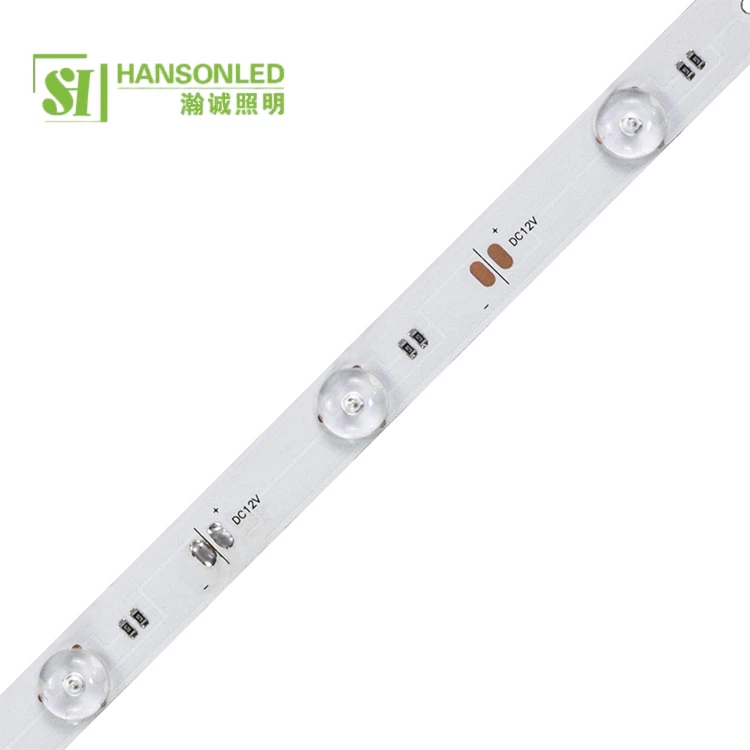
Before delving into the adjustment methods, it's essential to understand what an LED back light bar is. An LED Light Bar is a linear strip of multiple light - emitting diodes (LEDs) assembled on a circuit board. These bars are commonly used in a wide range of applications, from backlighting for televisions and monitors to decorative lighting in homes and commercial spaces. They offer several advantages, such as energy efficiency, long lifespan, and low heat emission.
One of the significant benefits of LED back light bars is their ability to adjust brightness. This feature allows users to create different lighting atmospheres according to their needs, whether it's a bright, well - lit workspace or a dim, cozy living room.
Methods to Adjust the Brightness of an LED Back Light Bar
1. Using a Dimmer Switch
A dimmer switch is one of the most straightforward and common ways to adjust the brightness of an LED back light bar. Dimmer switches work by varying the amount of electrical power supplied to the LEDs. When you turn the dimmer control, it changes the voltage or current flowing through the light bar, thus altering its brightness.
There are different types of dimmer switches available in the market. For LED back light bars, it's crucial to choose a dimmer switch that is compatible with LEDs. Some traditional incandescent dimmers may not work well with LEDs because LEDs have different electrical characteristics. Look for dimmers specifically labeled as "LED - compatible."
When installing a dimmer switch for your LED back light bar, make sure to follow the manufacturer's instructions carefully. Incorrect installation can lead to issues such as flickering or premature failure of the LEDs.
2. Pulse Width Modulation (PWM)
Pulse Width Modulation, or PWM, is a more advanced method of controlling the brightness of LED back light bars. This technique involves rapidly turning the LEDs on and off at a high frequency. By varying the ratio of the on - time to the off - time (known as the duty cycle), the perceived brightness of the LEDs can be adjusted.
PWM is often used in more sophisticated lighting control systems. It offers several advantages over traditional dimming methods. For example, it can provide a wider range of brightness adjustment, and it can maintain color consistency better than some other methods.
To implement PWM for your LED back light bar, you'll need a PWM controller. These controllers can be integrated into the lighting system and are often programmable. You can use a microcontroller or a dedicated PWM driver to achieve precise control over the brightness of the light bar.
3. Using a Remote Control
Many modern LED back light bars come with remote control capabilities. A remote control allows you to adjust the brightness of the light bar from a distance, which is very convenient, especially in large spaces or when you don't want to physically access the dimmer switch.
Remote - controlled LED back light bars usually operate on a wireless signal, such as infrared or radio frequency. The remote control sends signals to a receiver unit connected to the light bar, which then adjusts the brightness accordingly.
When using a remote control, make sure to keep the batteries fresh and ensure that there are no obstructions between the remote and the receiver. Some remote - controlled systems also offer additional features, such as color changing and preset lighting scenes.
4. Smart Home Integration
With the rise of smart home technology, integrating your LED back light bar into a smart home system is becoming increasingly popular. Smart home platforms, such as Amazon Alexa, Google Home, or Apple HomeKit, allow you to control the brightness of your light bar using voice commands or through a mobile app.
To integrate your LED back light bar into a smart home system, you'll need a smart controller or a smart bulb adapter. These devices connect to your home Wi - Fi network and can be controlled through the corresponding smart home app. You can create schedules, set different brightness levels for different times of the day, and even control the light bar in conjunction with other smart devices in your home.
Considerations When Adjusting Brightness
When adjusting the brightness of your LED back light bar, there are several factors to consider:
1. Color Temperature
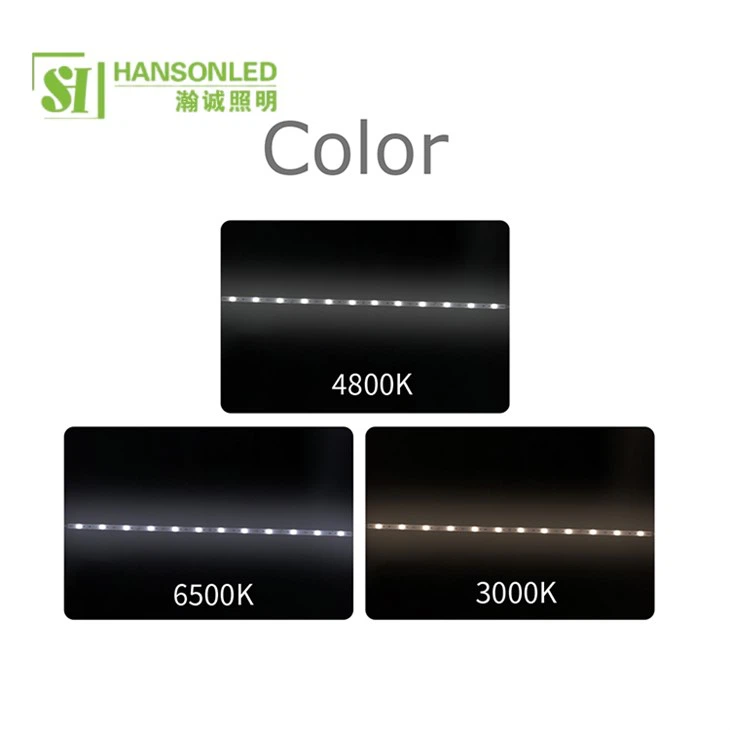
LEDs are available in different color temperatures, which are measured in Kelvin (K). Lower color temperatures (around 2700K - 3000K) produce a warm, yellow - white light, similar to traditional incandescent bulbs. Higher color temperatures (around 5000K - 6500K) produce a cool, blue - white light, which is often used in workspaces.
When adjusting the brightness, be aware that the color temperature of the light may also change slightly. Some high - quality LED back light bars are designed to maintain a consistent color temperature across the brightness range, but it's still something to keep in mind.
2. Compatibility
As mentioned earlier, compatibility is crucial when choosing a brightness adjustment method. Make sure that any dimmers, controllers, or remote controls you use are compatible with your specific LED back light bar. Using incompatible components can lead to performance issues, such as flickering, buzzing, or reduced lifespan of the LEDs.
3. Safety
Safety should always be a top priority when working with electrical devices. When installing or adjusting the brightness of your LED back light bar, make sure to turn off the power supply first. Follow all safety guidelines provided by the manufacturer, and if you're not confident in your abilities, consider hiring a professional electrician.
Industry - Specific Applications
The ability to adjust the brightness of LED back light bars is highly valuable in various industries:
1. Retail
In the retail industry, LED back light bars are often used for product display and store lighting. By adjusting the brightness, retailers can create different lighting effects to highlight products, create a more inviting atmosphere, and save energy during off - peak hours.
For example, in a clothing store, brighter lighting can be used in the fitting rooms to help customers see the colors and details of the clothes clearly. In the display windows, a combination of bright and dim lighting can be used to create a visually appealing display.
2. Hospitality
In the hospitality industry, such as hotels and restaurants, LED back light bars are used for both functional and decorative purposes. Adjustable brightness allows for the creation of different moods, from bright and energetic during the day to dim and romantic in the evening.
For instance, in a hotel lobby, the brightness of the LED back light bars can be adjusted according to the time of day. During the day, bright lighting can give a sense of openness and welcome, while in the evening, dimmer lighting can create a more relaxing atmosphere.
3. Automotive
In the automotive industry, Waterproof LED Light Bar are used for various applications, such as off - road lighting and interior lighting. Adjustable brightness is essential in these applications. For off - road driving, you may need bright lighting to see clearly in the dark, but you may also want to dim the lights to avoid blinding other drivers.
Contact Us for Your LED Back Light Bar Needs
If you're in the market for high - quality LED back light bars or need more information on brightness adjustment methods, we're here to help. As a leading LED Back Light Bar supplier, we offer a wide range of products with various features and capabilities. Whether you need a simple dimmer - controlled light bar or a sophisticated smart - integrated system, we can provide the right solution for your needs.
Contact us today to start a conversation about your lighting requirements. We look forward to working with you to create the perfect lighting solution.
References
- "LED Lighting Handbook" - A comprehensive guide on LED technology and lighting applications.
- Manufacturer's documentation for LED back light bars and related components.
