

What is the chemical resistance of ZIG - ZAG LED Strips?
Mon 16,2025
Leave a message
As a supplier of ZIG - ZAG LED Strips, I am often asked about the chemical resistance of these innovative lighting products. In this blog, I will delve into the details of the chemical resistance of ZIG - ZAG LED Strips, explaining what it means, why it matters, and how it impacts the performance and longevity of the strips.
Understanding Chemical Resistance
Chemical resistance refers to the ability of a material to withstand the effects of chemical substances without significant degradation or damage. For ZIG - ZAG LED Strips, this is crucial because they may be exposed to various chemicals in different environments. These chemicals can range from common household cleaning agents to industrial solvents and corrosive substances.
When a ZIG - ZAG LED Strip has good chemical resistance, it can maintain its structural integrity, electrical conductivity, and optical properties even when in contact with chemicals. This ensures that the strip continues to function properly and provides consistent lighting over time.
Factors Affecting Chemical Resistance
Several factors influence the chemical resistance of ZIG - ZAG LED Strips. The first is the type of materials used in the construction of the strip. The substrate, which is the base material on which the LEDs and other components are mounted, plays a significant role. Common substrates include flexible printed circuit boards (PCBs) made of materials like polyimide or polyester. These materials have different levels of chemical resistance, with polyimide generally offering better resistance to a wider range of chemicals.
The encapsulation material, which protects the LEDs and electrical connections, also affects chemical resistance. Silicone encapsulation is often used in high - quality ZIG - ZAG LED Strips because it provides excellent protection against moisture, dust, and many chemicals. It forms a barrier that prevents chemicals from reaching the sensitive components of the strip.
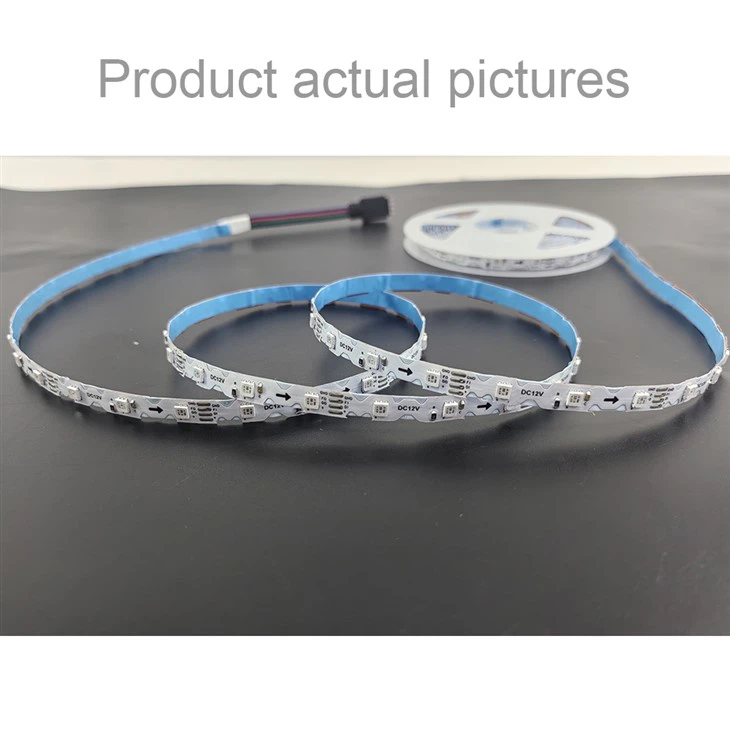
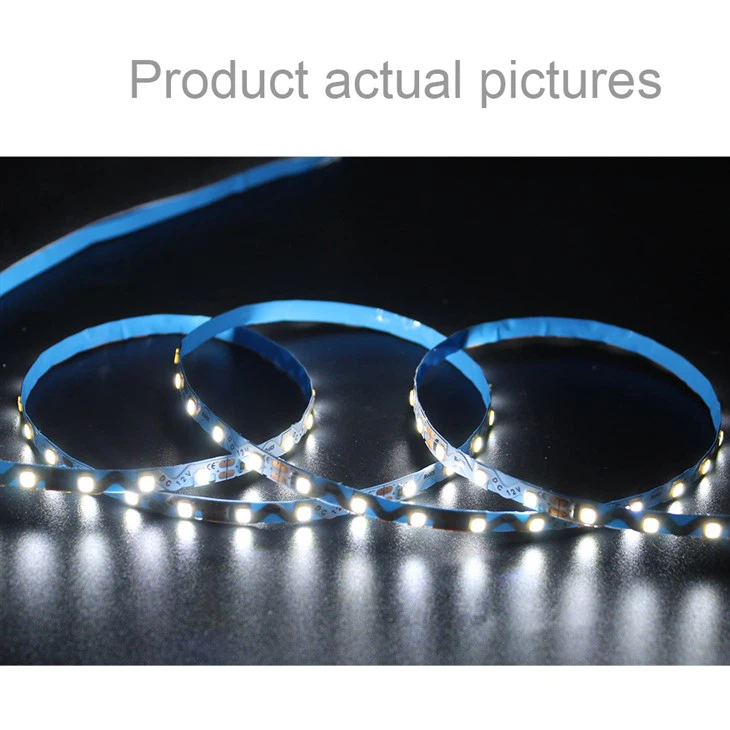
Another factor is the manufacturing process. Properly manufactured ZIG - ZAG LED Strips with tight seals and high - quality soldering are more likely to have better chemical resistance. Any gaps or weak points in the construction can allow chemicals to penetrate and cause damage.
Chemicals Commonly Encountered
In different applications, ZIG - ZAG LED Strips may come into contact with a variety of chemicals. In household settings, they may be exposed to cleaning agents such as bleach, ammonia - based cleaners, and alcohol. Bleach is a strong oxidizing agent that can cause discoloration and damage to the strip's components if not properly protected. Ammonia - based cleaners can react with certain materials and corrode the substrate or the electrical connections. Alcohol, while commonly used for cleaning, can also dissolve some types of encapsulation materials if they are not resistant.
In industrial environments, ZIG - ZAG LED Strips may face more aggressive chemicals. Solvents like acetone, toluene, and xylene are commonly used in manufacturing and can quickly degrade the strip if it is not chemically resistant. Corrosive gases such as sulfur dioxide and chlorine can also pose a threat, especially in areas with poor ventilation.
Testing Chemical Resistance
To ensure the chemical resistance of ZIG - ZAG LED Strips, manufacturers conduct various tests. One common test is the immersion test, where samples of the strip are immersed in different chemicals for a specified period. The strips are then examined for any signs of damage, such as discoloration, swelling, or loss of electrical conductivity.
Another test is the spray test, where the chemicals are sprayed onto the surface of the strip. This simulates real - world scenarios where the strip may be exposed to chemical mists or splashes. After the spray test, the strip is evaluated for its performance and integrity.
Importance of Chemical Resistance in Different Applications
Residential Lighting
In residential applications, ZIG - ZAG LED Strips are often used for decorative lighting, under - cabinet lighting, or cove lighting. Since they may be cleaned regularly, having good chemical resistance ensures that they can withstand the cleaning agents used in the home. This means that the strips will not lose their brightness or develop a yellowish tint over time, maintaining their aesthetic appeal.
Commercial Lighting
In commercial settings, such as retail stores or restaurants, ZIG - ZAG LED Strips are used to create attractive lighting displays. They may be exposed to cleaning products used for general maintenance. Additionally, in food service areas, they may come into contact with food - related substances such as oils and acids. Chemical - resistant strips are essential to ensure that they continue to function properly and meet the high - standards of commercial lighting.
Industrial Lighting
In industrial environments, the importance of chemical resistance is even more critical. ZIG - ZAG LED Strips may be installed in factories, warehouses, or chemical processing plants. In these areas, they are exposed to a wide range of chemicals, including solvents, acids, and alkalis. Without proper chemical resistance, the strips can fail prematurely, leading to costly replacements and potential safety hazards.
ZIG - ZAG LED Strip Product Lines and Chemical Resistance
We offer a range of ZIG - ZAG LED Strip products, each designed to meet different needs and levels of chemical resistance. Our Wavy LED Light Strip is a popular choice for decorative applications. It is constructed with high - quality materials and a silicone encapsulation that provides good resistance to common household chemicals.
The SPI RGB ZIG ZAG STRIP is suitable for more demanding applications, including commercial and industrial settings. It has a robust substrate and advanced encapsulation technology, making it highly resistant to a variety of chemicals.
Our 1led Per Cut Zigzag Strip offers flexibility in installation and is also designed with chemical resistance in mind. It can be easily cut and customized while maintaining its performance even in the presence of chemicals.
Conclusion
The chemical resistance of ZIG - ZAG LED Strips is a crucial factor that affects their performance, longevity, and suitability for different applications. By understanding the factors that influence chemical resistance, the types of chemicals they may encounter, and the importance of proper testing, we can ensure that our products meet the highest standards.
If you are in need of high - quality ZIG - ZAG LED Strips with excellent chemical resistance, we invite you to contact us for more information and to discuss your specific requirements. Our team of experts is ready to assist you in finding the perfect lighting solution for your project.
References
- "Handbook of LED Technology" - This comprehensive book provides in - depth knowledge about LED manufacturing, materials, and performance, including information on chemical resistance.
- "Lighting for Different Environments: A Practical Guide" - Offers insights into the specific lighting requirements and challenges in residential, commercial, and industrial settings, highlighting the importance of chemical - resistant lighting products.
- Industry reports from leading lighting associations and research institutions, which regularly publish data and studies on the performance and durability of LED lighting products.
