

What is the difference between a rigid and a flexible LED light bar?
Tue 17,2025
Leave a message
As a supplier of LED light bars, I've had the privilege of witnessing firsthand the remarkable versatility and innovation within the lighting industry. One of the most common questions I encounter from customers is the difference between rigid and flexible LED light bars. In this blog post, I'll delve into the unique characteristics, applications, and advantages of each type to help you make an informed decision for your lighting needs.
Understanding Rigid LED Light Bars
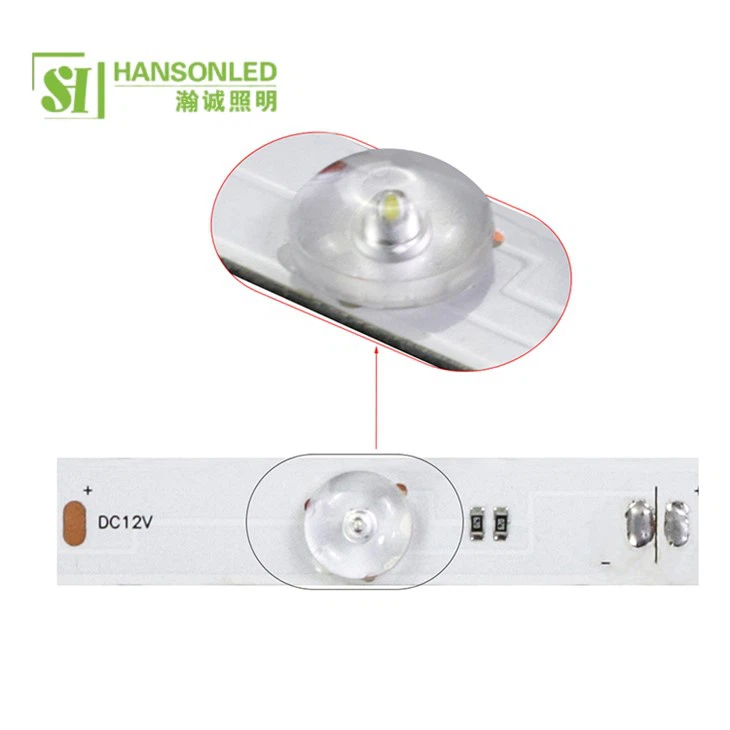
Rigid LED light bars are constructed on a solid, inflexible circuit board, typically made of aluminum or fiberglass. This design provides several distinct advantages, making them a popular choice for a wide range of applications.
Durability and Stability
One of the primary benefits of rigid LED light bars is their durability. The solid circuit board provides excellent protection for the LEDs and electronic components, making them resistant to damage from impact, vibration, and environmental factors. This makes them ideal for use in industrial settings, automotive applications, and outdoor lighting projects where reliability is crucial.
High Brightness and Efficiency
Rigid LED light bars are known for their high brightness and energy efficiency. The solid circuit board allows for better heat dissipation, which helps to maintain the performance and longevity of the LEDs. Additionally, the use of high-quality LEDs and advanced driver technology ensures that rigid light bars can produce a bright, uniform light output while consuming less energy than traditional lighting sources.
Precise Beam Control
Another advantage of rigid LED light bars is their ability to provide precise beam control. The solid circuit board allows for the placement of LEDs in a specific pattern, which can be customized to achieve a desired lighting effect. This makes them ideal for applications where focused lighting is required, such as task lighting, display lighting, and architectural lighting.
Easy Installation
Rigid LED light bars are relatively easy to install, especially when compared to flexible light bars. The solid circuit board provides a stable base for mounting, and the use of pre-drilled holes and mounting brackets makes it easy to attach the light bar to a surface. Additionally, many rigid light bars come with a plug-and-play connector, which makes it easy to connect the light bar to a power source.
Exploring Flexible LED Light Bars
Flexible LED light bars, on the other hand, are constructed on a flexible circuit board, typically made of polyimide or polyester. This design allows the light bar to be bent, curved, and shaped to fit a variety of applications, making them a popular choice for creative and decorative lighting projects.
Flexibility and Versatility
The most obvious advantage of flexible LED light bars is their flexibility. The ability to bend and shape the light bar allows for endless creative possibilities, making them ideal for applications where traditional rigid light bars cannot be used. For example, flexible light bars can be used to create custom lighting effects, such as curved lighting, spiral lighting, and even three-dimensional lighting designs.
Conformability
In addition to their flexibility, flexible LED light bars are also highly conformable. They can be easily wrapped around objects, such as pipes, columns, and furniture, to provide a seamless and integrated lighting solution. This makes them ideal for applications where a uniform lighting effect is required, such as cove lighting, under-cabinet lighting, and backlighting.
Low Profile
Flexible LED light bars are typically very thin and lightweight, making them ideal for applications where space is limited. The low profile of the light bar allows it to be installed in tight spaces, such as behind cabinets, under shelves, and in recessed lighting fixtures. Additionally, the lightweight design of the light bar makes it easy to install and transport.
Easy Customization
Flexible LED light bars are also very easy to customize. They can be cut to length, spliced together, and connected to a variety of power sources and control systems. This makes it easy to create a custom lighting solution that meets your specific needs and requirements.
Comparing Rigid and Flexible LED Light Bars
Now that we've explored the unique characteristics and advantages of rigid and flexible LED light bars, let's compare them side by side to help you determine which type of light bar is best suited for your application.
Durability
Rigid LED light bars are generally more durable than flexible light bars. The solid circuit board provides better protection for the LEDs and electronic components, making them more resistant to damage from impact, vibration, and environmental factors. However, flexible light bars can still be very durable if they are properly installed and protected.
Brightness and Efficiency
Both rigid and flexible LED light bars can provide high brightness and energy efficiency. However, rigid light bars are typically more efficient due to their better heat dissipation and the use of high-quality LEDs and advanced driver technology.
Beam Control
Rigid LED light bars are better suited for applications where precise beam control is required. The solid circuit board allows for the placement of LEDs in a specific pattern, which can be customized to achieve a desired lighting effect. Flexible light bars, on the other hand, are better suited for applications where a more diffused and uniform lighting effect is required.
Installation
Rigid LED light bars are generally easier to install than flexible light bars. The solid circuit board provides a stable base for mounting, and the use of pre-drilled holes and mounting brackets makes it easy to attach the light bar to a surface. Flexible light bars, on the other hand, require more careful handling and installation, as they are more delicate and can be easily damaged.
Cost
The cost of rigid and flexible LED light bars can vary depending on a variety of factors, such as the length, width, brightness, and color of the light bar. In general, rigid light bars tend to be more expensive than flexible light bars, especially for larger and higher-quality models. However, the cost difference between the two types of light bars is often offset by the advantages and benefits that each type provides.
Applications of Rigid and Flexible LED Light Bars
Both rigid and flexible LED light bars have a wide range of applications, and the choice between the two types of light bars will depend on the specific requirements of your project. Here are some common applications for each type of light bar:
Rigid LED Light Bars
- Automotive Lighting: Rigid LED light bars are commonly used in automotive applications, such as off-road vehicles, trucks, and boats. They provide a bright and focused light output, which is ideal for driving at night or in low-light conditions.
- Industrial Lighting: Rigid LED light bars are also widely used in industrial settings, such as warehouses, factories, and workshops. They provide a high level of brightness and energy efficiency, which is essential for illuminating large areas.
- Architectural Lighting: Rigid LED light bars are often used in architectural lighting applications, such as building facades, bridges, and monuments. They can be used to create a variety of lighting effects, such as uplighting, downlighting, and accent lighting.
- Task Lighting: Rigid LED light bars are also commonly used in task lighting applications, such as desk lamps, reading lights, and work lights. They provide a focused and uniform light output, which is ideal for performing detailed tasks.
Flexible LED Light Bars
- Decorative Lighting: Flexible LED light bars are often used in decorative lighting applications, such as home decor, event lighting, and signage. They can be used to create a variety of lighting effects, such as color-changing lighting, flashing lighting, and animated lighting.
- Cove Lighting: Flexible LED light bars are also commonly used in cove lighting applications, such as ceiling coves, wall coves, and cabinet coves. They provide a soft and diffused light output, which is ideal for creating a warm and inviting atmosphere.
- Under-Cabinet Lighting: Flexible LED light bars are also widely used in under-cabinet lighting applications, such as kitchen cabinets, bathroom vanities, and closet shelves. They provide a bright and uniform light output, which is ideal for illuminating countertops and storage areas.
- Backlighting: Flexible LED light bars are often used in backlighting applications, such as TV backlighting, monitor backlighting, and signage backlighting. They provide a bright and uniform light output, which is ideal for enhancing the visibility and clarity of a display.
Conclusion
In conclusion, both rigid and flexible LED light bars have their own unique characteristics, advantages, and applications. The choice between the two types of light bars will depend on the specific requirements of your project, such as the desired lighting effect, the installation location, and the budget. As a supplier of LED Light Bar, I can help you choose the right type of light bar for your needs and provide you with the highest quality products and services.
If you're interested in learning more about our LED light bars or have any questions about your lighting project, please don't hesitate to contact us. We'd be happy to help you find the perfect lighting solution for your needs.
References
- "LED Lighting Basics." Lighting Research Center, Rensselaer Polytechnic Institute, 2023.
- "Flexible LED Strip Lights: A Comprehensive Guide." LED Lighting Info, 2023.
- "Rigid LED Light Bars: Features and Applications." LED Lighting Magazine, 2023.
