

What is the beam angle of an LED Back Light Bar?
Fri 20,2025
Leave a message
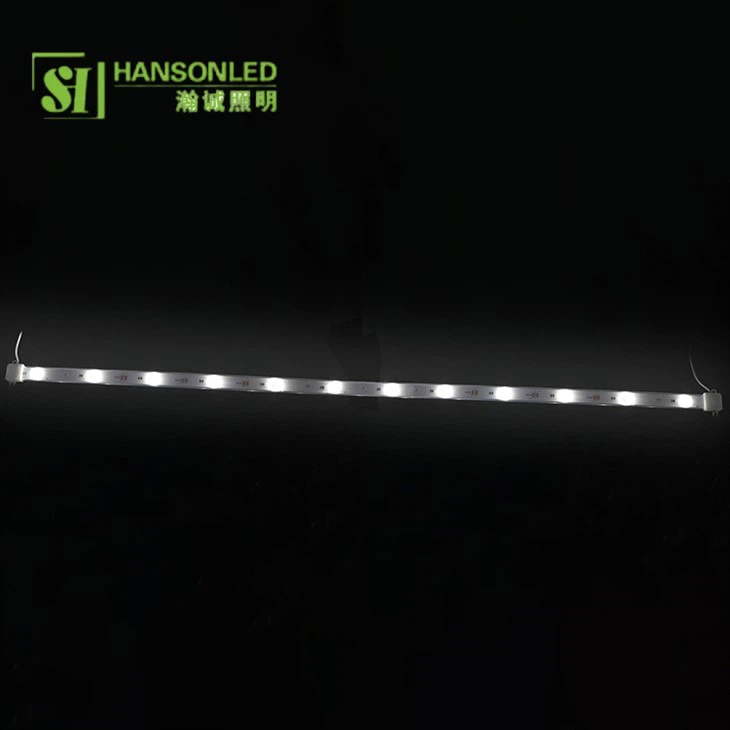
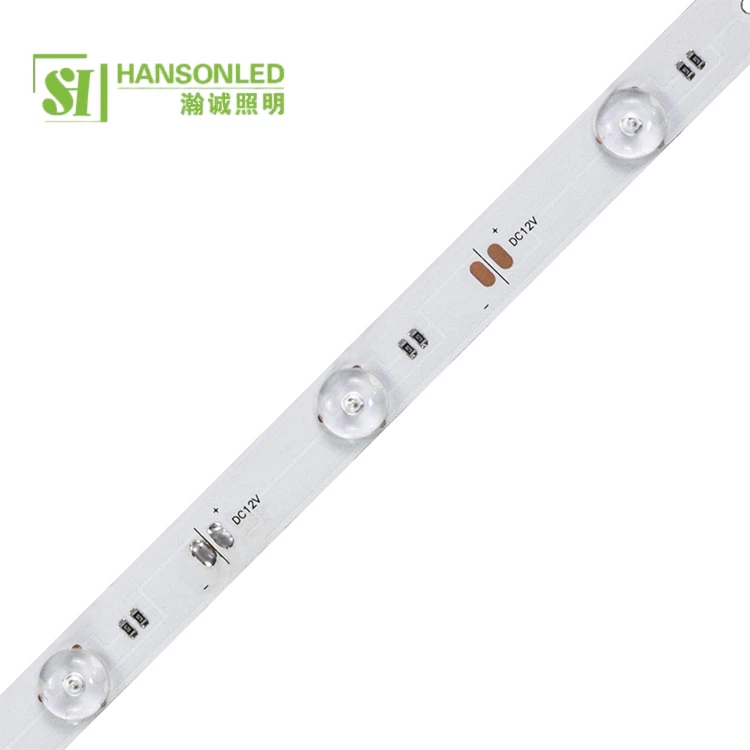
In the dynamic world of lighting solutions, LED back light bars have emerged as a game - changer, offering unparalleled flexibility, energy efficiency, and aesthetic appeal. As a trusted LED Back Light Bar supplier, I often encounter questions from clients about various technical aspects of these products. One of the most frequently asked questions is about the beam angle of an LED back light bar. In this blog, I'll delve into what beam angle is, why it matters, and how it impacts the performance of LED back light bars.
Understanding Beam Angle
The beam angle of an LED back light bar refers to the angle at which light is distributed from the source. It is typically measured in degrees and represents the spread of light in a horizontal or vertical plane. To visualize this, imagine a flashlight. When you turn it on, the light doesn't spread out infinitely in all directions; instead, it has a specific area of illumination. This area is determined by the beam angle.
For LED back light bars, beam angles can vary widely, from narrow spotlight - like beams to wide flood - like spreads. Common beam angles range from as narrow as 10 degrees to as wide as 180 degrees or more. The specific beam angle of an LED back light bar is determined by several factors, including the design of the LED chips, the optics used, and the overall construction of the light bar.
Why Beam Angle Matters
The beam angle of an LED back light bar plays a crucial role in determining how the light is used and the overall lighting effect achieved. Here are some key reasons why beam angle matters:
Lighting Coverage
The beam angle directly affects the area that can be illuminated by the LED back light bar. A narrow beam angle, such as 10 - 30 degrees, is ideal for highlighting specific objects or areas, like display cases or artwork. It provides a concentrated, intense light that can draw attention to a particular focal point. On the other hand, a wide beam angle, say 120 - 180 degrees, is better suited for general ambient lighting, as it can cover a larger area evenly. For example, in a large retail store, wide - beam LED back light bars can be used to illuminate the entire sales floor, providing a bright and uniform lighting environment.
Energy Efficiency
Choosing the right beam angle can also contribute to energy efficiency. By using a narrow beam angle to target specific areas that need to be illuminated, you can avoid wasting light on areas that don't require it. This means you can use fewer light bars or lower - wattage ones to achieve the same level of illumination, resulting in energy savings.
Aesthetic Appeal
The beam angle can have a significant impact on the aesthetic of a space. Narrow - beam lights can create a dramatic, spotlight effect, adding a touch of elegance and sophistication to a room. Wide - beam lights, on the other hand, can create a soft, diffused lighting atmosphere, making a space feel more warm and inviting. For instance, in a modern restaurant, narrow - beam LED back light bars can be used to highlight the food on the tables, while wide - beam lights can be used to create a cozy and relaxed dining environment.
Factors Affecting Beam Angle
As mentioned earlier, several factors influence the beam angle of an LED back light bar. Let's take a closer look at these factors:
LED Chip Design
The design of the LED chips themselves can have a major impact on the beam angle. Some LED chips are designed to emit light in a more focused manner, resulting in a narrow beam angle. Others are designed to spread light more widely, producing a wider beam angle. Manufacturers can also use multiple LED chips in different configurations to achieve the desired beam angle.
Optics
Optics, such as lenses and reflectors, are often used to control the beam angle of LED back light bars. Lenses can be used to focus or disperse the light, depending on their shape and design. For example, a convex lens can be used to narrow the beam angle, while a concave lens can be used to widen it. Reflectors, on the other hand, can redirect the light in a specific direction, helping to control the spread of light.
Light Bar Construction
The overall construction of the LED back light bar can also affect the beam angle. The spacing between the LED chips, the type of housing used, and the presence of diffusers can all influence how the light is distributed. For example, a light bar with closely spaced LED chips and a diffuser can produce a more uniform and wider - spread light, while a light bar with widely spaced chips and no diffuser may have a more uneven and potentially narrower beam angle.
Applications Based on Beam Angle
The choice of beam angle for an LED back light bar depends largely on the intended application. Here are some common applications and the appropriate beam angles for each:
Retail Display
In retail settings, LED back light bars are often used to highlight products on display. For this purpose, a narrow beam angle of 20 - 40 degrees is typically recommended. This allows the light to be focused directly on the products, making them stand out and enhancing their visual appeal. For example, in a jewelry store, narrow - beam LED back light bars can be used to illuminate individual pieces of jewelry, making them sparkle and catch the customer's eye.
General Ambient Lighting
For general ambient lighting in spaces such as offices, homes, and commercial buildings, a wide beam angle of 120 - 180 degrees is more suitable. This provides a soft, even light that can cover a large area without creating harsh shadows. Wide - beam LED back light bars can be installed along the ceiling or walls to create a bright and inviting atmosphere.
Architectural Lighting
In architectural lighting, both narrow and wide beam angles can be used to create different effects. Narrow - beam lights can be used to highlight architectural features such as columns, arches, or sculptures, while wide - beam lights can be used to illuminate large facades or interior spaces. For example, in a modern building, narrow - beam LED back light bars can be used to accentuate the unique shapes of the building's exterior, while wide - beam lights can be used to light up the entrance lobby.
Choosing the Right Beam Angle for Your Needs
When choosing an LED back light bar, it's important to consider your specific lighting requirements and the intended application. Here are some tips to help you choose the right beam angle:
Assess the Space
Start by assessing the size and layout of the space you want to illuminate. If it's a small room or a specific area that needs to be highlighted, a narrow beam angle may be sufficient. If it's a large open space, a wide beam angle will likely be more appropriate.
Determine the Purpose
Think about the purpose of the lighting. Is it for highlighting specific objects, providing general illumination, or creating a certain mood? This will help you decide whether a narrow or wide beam angle is needed.
Consider the Aesthetic
The aesthetic of the space is also an important factor. If you want to create a dramatic or focused look, a narrow beam angle may be a better choice. If you prefer a soft, diffused lighting atmosphere, a wide beam angle is more suitable.
As an experienced LED Back Light Bar supplier, we offer a wide range of LED back light bars with different beam angles to meet your diverse needs. Whether you're looking for a LED Light Bar for a small display or a Waterproof LED Light Bar for an outdoor application, we have the perfect solution for you.
If you're interested in learning more about our LED back light bars or have any questions about beam angles or other technical aspects, please don't hesitate to contact us. Our team of experts is ready to assist you in choosing the right lighting products for your project and can provide you with detailed information and support throughout the purchasing process. Let's work together to create the perfect lighting solution for your space.
References
- "LED Lighting Handbook" by John Bullough and Theresa A. Carlucci
- "Lighting Technology: A Guide to the Application of Lighting Design" by David L. DiLaura
