

What is the difference between high voltage and low voltage LED strips?
Fri 11,2025
Leave a message
When it comes to LED strips, one of the fundamental distinctions you'll encounter is between high voltage and low voltage options. As a supplier of High Voltage LED Strips, I've witnessed firsthand the diverse applications and unique characteristics of each type. In this blog post, I'll delve into the key differences between high voltage and low voltage LED strips, helping you make an informed decision for your lighting needs.
Understanding Voltage in LED Strips
Voltage is a measure of the electrical potential difference that drives the flow of electric current. In the context of LED strips, voltage plays a crucial role in determining how the strip operates, its installation requirements, and its overall performance.
Low voltage LED strips typically operate at 12V or 24V. These strips are commonly used in a variety of indoor and outdoor applications, including under - cabinet lighting, cove lighting, and decorative lighting. High voltage LED strips, on the other hand, can operate at 120V or 230V, depending on the regional electrical standards. These are often used in commercial settings, large - scale installations, and outdoor lighting where longer runs are required.
Power and Efficiency
One of the most significant differences between high voltage and low voltage LED strips lies in their power consumption and efficiency. High voltage LED strips are generally more power - efficient when it comes to long - distance installations. Since they operate at a higher voltage, they can transmit power over longer distances with less power loss compared to low voltage strips.
For example, in a large commercial building where you need to light up a long corridor, using a High Voltage LED Strip 120 LED can be more energy - efficient. The higher voltage allows the strip to maintain a consistent brightness along the entire length without the need for additional power boosters or repeaters.
Low voltage LED strips, however, are more suitable for smaller - scale projects. They consume less power overall, which can be beneficial for battery - powered applications or areas where energy conservation is a priority. For instance, a small home office with under - desk lighting can benefit from a low voltage LED strip as it won't draw a significant amount of power from the electrical system.
Installation and Safety
Installation requirements for high voltage and low voltage LED strips also differ significantly. Low voltage LED strips are relatively easy to install and are considered safer, especially for DIY enthusiasts. They typically come with a power adapter that converts the standard household voltage (120V or 230V) to the low voltage required by the strip. This means that you can install them without the need for extensive electrical knowledge or professional help.
High voltage LED strips, on the other hand, require more careful installation. Since they operate at a higher voltage, they must be installed by a qualified electrician to ensure compliance with local electrical codes and safety standards. This is because working with high voltage electricity can be dangerous, and improper installation can lead to electrical shocks, fires, or other hazards.
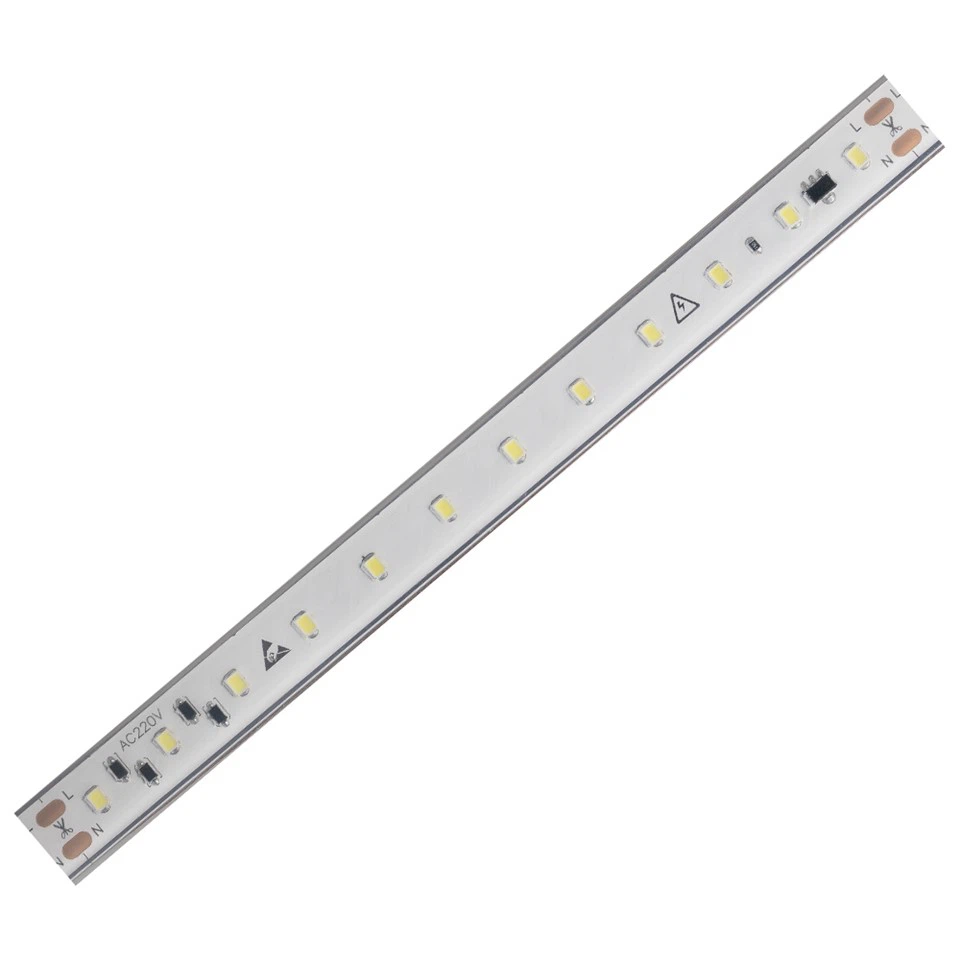
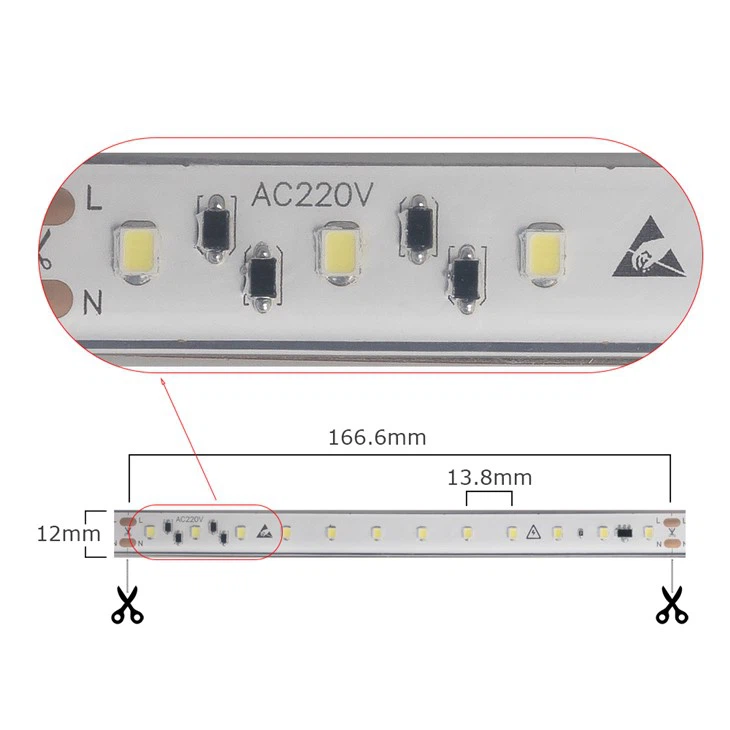
However, high voltage LED strips also have their advantages in terms of installation. They eliminate the need for a separate power adapter, which can simplify the installation process in some cases. For example, in a large outdoor lighting project, using high voltage LED strips can reduce the number of components and cables, making the installation neater and more streamlined.
Brightness and Color Rendering
The brightness and color rendering capabilities of high voltage and low voltage LED strips can vary. High voltage LED strips are often capable of producing higher levels of brightness, making them ideal for applications where strong illumination is required. For example, in a retail store, a High Voltage LED Strip 60 LED can provide bright and uniform lighting to showcase products effectively.
Low voltage LED strips, while generally less bright, can still offer excellent color rendering. Color rendering index (CRI) is a measure of how accurately a light source renders colors compared to natural light. Many low voltage LED strips have a high CRI, which means they can reproduce colors more accurately. This makes them suitable for applications where color accuracy is important, such as art galleries or photography studios.
Flexibility and Durability
Both high voltage and low voltage LED strips offer a certain degree of flexibility, but there are some differences. Low voltage LED strips are often more flexible and can be bent and shaped more easily. This makes them ideal for applications where you need to follow curved or irregular surfaces, such as in automotive lighting or custom - shaped signage.
High voltage LED strips are typically more rigid but are also more durable. They are better able to withstand harsh environmental conditions, such as extreme temperatures and moisture. This makes them a popular choice for outdoor lighting applications, such as landscape lighting or building facades.
Cost Considerations
Cost is an important factor when choosing between high voltage and low voltage LED strips. Low voltage LED strips are generally more affordable upfront, especially for small - scale projects. They are also more accessible to DIYers, as they don't require professional installation.
High voltage LED strips, however, can be more cost - effective in the long run, especially for large - scale projects. While the initial purchase price may be higher, the reduced power consumption and lower maintenance costs can offset the upfront investment. Additionally, the longer lifespan of high voltage LED strips can also contribute to long - term cost savings.
Conclusion
In conclusion, the choice between high voltage and low voltage LED strips depends on a variety of factors, including the scale of the project, power requirements, installation considerations, and budget. High voltage LED strips are better suited for large - scale, long - distance installations where power efficiency and high brightness are important. They offer advantages in terms of power transmission, durability, and overall performance.
Low voltage LED strips, on the other hand, are ideal for small - scale projects, DIY installations, and applications where color accuracy and ease of installation are priorities. They are safer and more accessible for non - professionals, making them a popular choice for home use.
If you're considering a lighting project and are unsure whether high voltage or low voltage LED strips are the right choice for you, I'd be happy to assist. Our team of experts can provide you with detailed information and guidance to help you make the best decision for your specific needs. Whether you're looking for a High Voltage LED Strip 120 LED for a commercial project or a low voltage option for a home improvement, we can offer the products and support you need. Contact us today to start discussing your lighting requirements and explore the possibilities.
References
- "LED Lighting Handbook" by John B. Stephens
- "Principles of Lighting Technology" by David L. DiLaura
- Industry reports on LED lighting trends and applications
