

What is the refresh rate of an RGB LED module?
Fri 11,2025
Leave a message
As a supplier of RGB LED modules, I often get asked about the refresh rate of these fascinating lighting components. In this blog post, I'll delve into what the refresh rate of an RGB LED module is, why it matters, and how it impacts the performance of these modules.
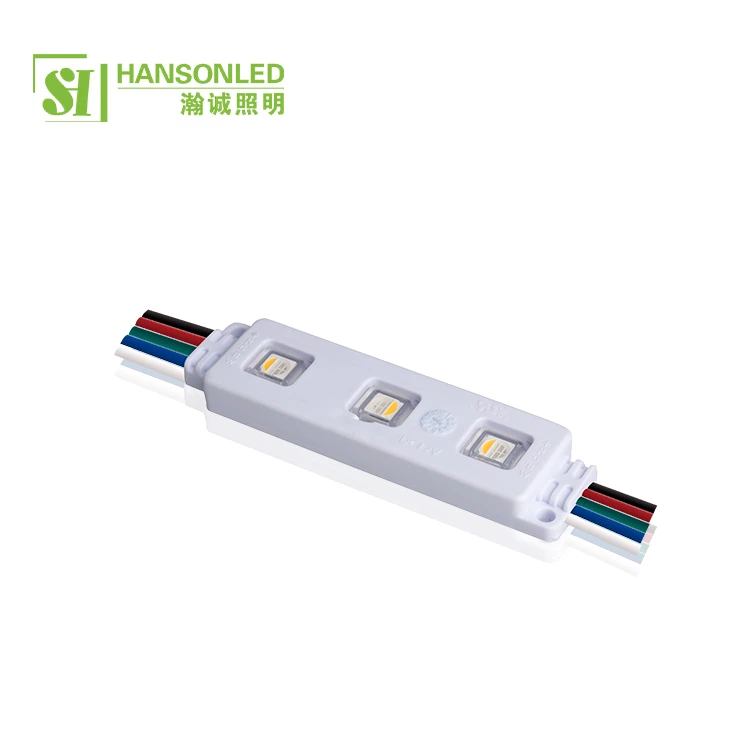
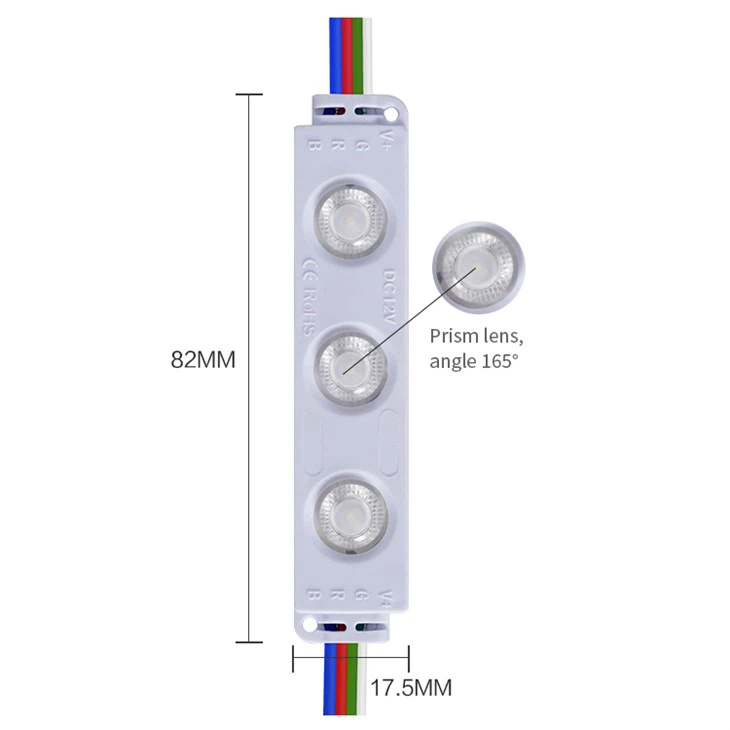
What is the Refresh Rate?
The refresh rate of an RGB LED module refers to the number of times per second that the module updates its color and brightness settings. It is typically measured in Hertz (Hz). For example, a refresh rate of 60 Hz means that the LED module updates its display 60 times every second.
In simple terms, the refresh rate determines how smoothly the colors and brightness of the LED module can change. A higher refresh rate results in a smoother and more fluid visual experience, while a lower refresh rate can lead to visible flickering or stuttering, especially when the colors are changing rapidly.
Why Does the Refresh Rate Matter?
1. Visual Quality
One of the primary reasons the refresh rate matters is for visual quality. In applications where the RGB LED module is used for dynamic lighting effects, such as stage lighting, architectural lighting, or decorative lighting, a high refresh rate is essential. A smooth and seamless color transition enhances the overall aesthetic appeal of the lighting design. For instance, in a concert setting, fast - paced color changes are common. A low refresh rate would cause these transitions to appear choppy, detracting from the immersive experience for the audience.
2. Flicker Reduction
Flickering is a significant issue in LED lighting. Even if the flickering is not visible to the naked eye, it can still cause eye strain and headaches, especially with prolonged exposure. A higher refresh rate reduces the likelihood of flicker, making the lighting more comfortable for users. This is particularly important in applications like indoor lighting, where people may be exposed to the LED light for long periods.
3. Compatibility with High - Speed Applications
In some high - speed applications, such as high - speed cameras or automated machinery that uses vision systems, a high refresh rate is crucial. These systems need to capture the accurate color and brightness of the LED module at a rapid pace. A low refresh rate can cause the camera or vision system to miss color changes, leading to inaccurate data capture.
Factors Affecting the Refresh Rate of RGB LED Modules
1. Driver Technology
The LED driver is responsible for controlling the power and signals sent to the RGB LEDs. Advanced driver technologies can support higher refresh rates. For example, some modern drivers use pulse - width modulation (PWM) techniques to control the brightness of the LEDs. High - quality drivers can achieve higher PWM frequencies, which translate to a higher refresh rate.
2. LED Chip Characteristics
The inherent characteristics of the LED chips themselves can also affect the refresh rate. Some LED chips have a faster response time, which means they can change their color and brightness more quickly. These chips are more suitable for high - refresh - rate applications.
3. Signal Processing
The processing speed of the control system that sends signals to the LED module plays a role. A slow - processing control system may not be able to send signals fast enough to support a high refresh rate. This includes the microcontroller or the control board used in the LED module setup.
Common Refresh Rates in RGB LED Modules
1. Low Refresh Rates (Below 60 Hz)
RGB LED modules with refresh rates below 60 Hz are generally less expensive. However, they are more prone to visible flickering, especially when used for dynamic lighting. These modules are often used in simple decorative applications where the color changes are relatively slow, such as basic home decor lighting.
2. Medium Refresh Rates (60 - 120 Hz)
Modules with refresh rates in the range of 60 - 120 Hz offer a good balance between cost and performance. They are suitable for most general - purpose applications, including commercial lighting, stage lighting for small - scale events, and some indoor lighting setups.
3. High Refresh Rates (Above 120 Hz)
High - refresh - rate RGB LED modules are designed for demanding applications. They are commonly used in high - end stage productions, professional photography studios, and high - speed industrial applications. These modules provide the smoothest color transitions and the least amount of flicker, but they also tend to be more expensive.
Our RGB LED Module Offerings
As a supplier, we offer a wide range of RGB LED modules with different refresh rates to meet the diverse needs of our customers. Our RGBW LED Module provides an additional white channel, which enhances color accuracy and flexibility. It is available in various refresh rates, allowing customers to choose the one that best suits their application.
Our RGB 3 LED Module is a popular choice for cost - effective lighting solutions. It offers a decent refresh rate that is suitable for many general - purpose applications, providing smooth color transitions at an affordable price.
For high - end applications, our Led RGB Module is equipped with advanced driver technology and high - quality LED chips, capable of achieving very high refresh rates. This module is ideal for applications where color accuracy and fast - paced color changes are critical.
Conclusion
The refresh rate of an RGB LED module is a crucial factor that affects its performance, visual quality, and suitability for different applications. As a supplier, we understand the importance of providing RGB LED modules with the right refresh rate for our customers' needs. Whether you are looking for a cost - effective solution for basic lighting or a high - performance module for professional applications, we have the products to meet your requirements.
If you are interested in our RGB LED modules or have any questions about refresh rates and their suitability for your project, please feel free to contact us. We are here to help you make the best choice for your lighting needs and look forward to discussing your requirements further.
References
- Smith, J. (2018). LED Lighting Technology: Principles and Applications. Publisher: Lighting Press.
- Johnson, A. (2019). The Impact of Refresh Rate on LED Lighting Quality. Journal of Lighting Research, 15(2), 78 - 85.
- Brown, C. (2020). Advanced LED Driver Design for High - Refresh - Rate Applications. Proceedings of the International Conference on LED Technology, 34 - 41.
