

Do 24V LED Modules need a special driver?
Wed 16,2025
Leave a message
As a supplier specializing in 24V LED modules, I often encounter a common question from customers: "Do 24V LED modules need a special driver?" This is a crucial query that can significantly impact the performance, longevity, and overall cost - effectiveness of LED lighting systems. In this blog, I'll delve into the science behind 24V LED modules and explore whether a special driver is necessary.
Understanding 24V LED Modules
24V LED modules are a popular choice in the lighting industry due to their versatility and efficiency. These modules consist of multiple LEDs connected in series or parallel configurations to operate at a 24 - volt power supply. They are widely used in various applications, including commercial lighting, architectural lighting, and automotive lighting.
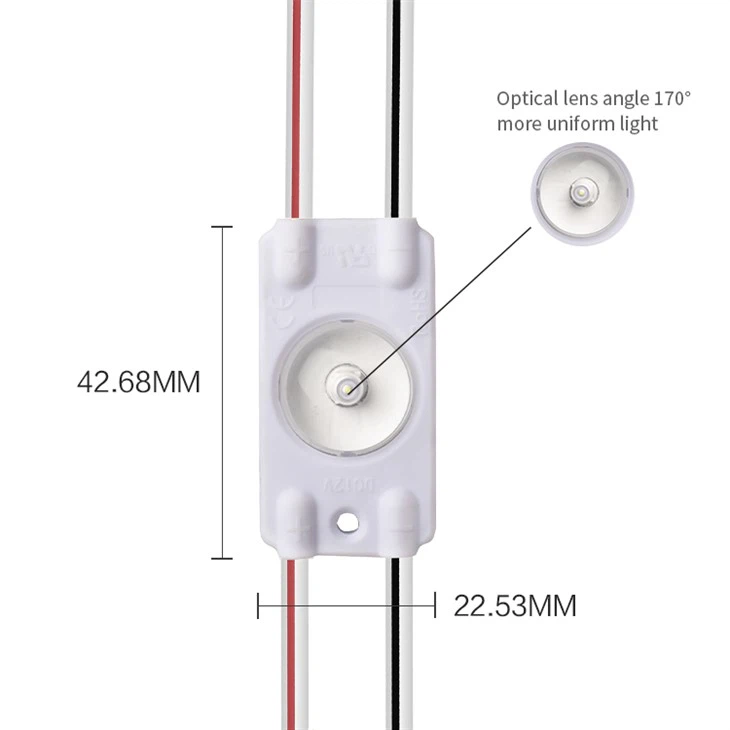
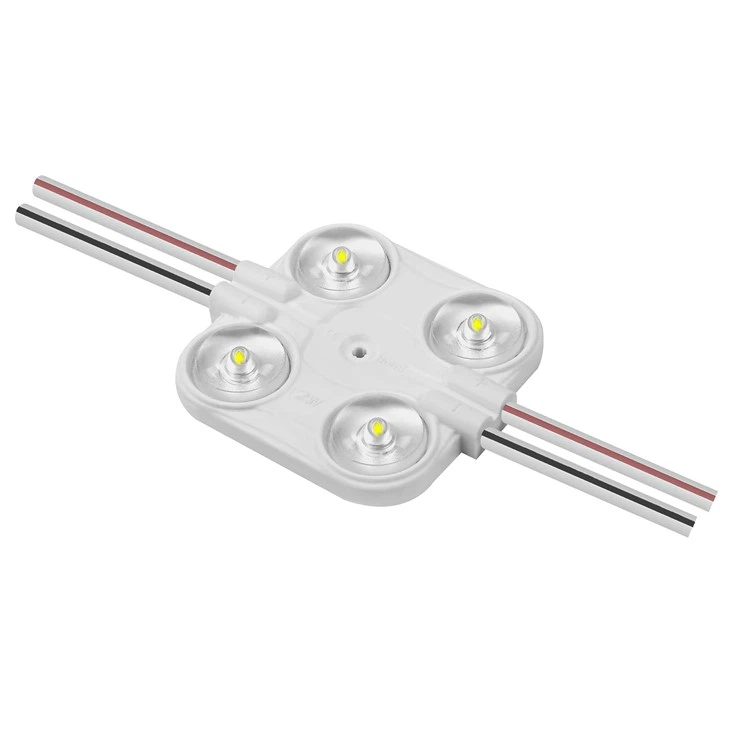
Let's take a look at some of our products, such as the 24V LED Square Module, the 24V LED Module Single LED, and the 24V LED Module High Power. Each of these modules has unique characteristics and is designed to meet different lighting requirements.
The Basics of LED Drivers
An LED driver is an electrical device that regulates the power supplied to an LED or a group of LEDs. It is essential because LEDs are sensitive to voltage and current fluctuations. Unlike traditional incandescent or fluorescent bulbs, LEDs do not have a linear relationship between voltage and current. A small increase in voltage can cause a significant increase in current, which can lead to overheating and premature failure of the LEDs.
LED drivers serve two primary functions:
- Constant Current Regulation: They ensure that a consistent amount of current flows through the LEDs, regardless of changes in the input voltage or the forward voltage drop of the LEDs. This helps to maintain a stable light output and extends the lifespan of the LEDs.
- Voltage Conversion: In many cases, the power source may not provide the exact voltage required by the LED module. The driver can step down or step up the voltage to match the requirements of the LEDs.
Do 24V LED Modules Need a Special Driver?
The answer to this question depends on several factors:
1. Power Source Stability
If the power source is highly stable and provides a constant 24 - volt output, and the LED module is designed to operate directly at 24 volts without significant current variations, a simple resistor - based circuit may be sufficient in some low - power applications. However, this is a rare scenario in real - world settings.
Most power sources, such as batteries or AC - DC converters, have some degree of voltage fluctuations. These fluctuations can cause the current through the LEDs to change, leading to inconsistent light output and potential damage to the LEDs. In such cases, a special LED driver is necessary to regulate the current and ensure stable operation.
2. LED Module Configuration
The way the LEDs are connected in the module also affects the need for a driver. In a series - connected LED module, the total voltage across the module is the sum of the forward voltages of individual LEDs. A small change in the forward voltage of one LED can affect the current through the entire series. A driver can compensate for these variations and maintain a constant current.
In a parallel - connected LED module, each LED branch may have slightly different forward voltages. Without a driver, the current may not be evenly distributed among the branches, causing some LEDs to be brighter than others and potentially overheating. A driver can ensure that each LED receives the appropriate amount of current.
3. Dimming Requirements
If you want to dim the 24V LED module, a special driver is definitely required. Most dimming methods, such as pulse - width modulation (PWM) or analog dimming, rely on the driver to adjust the current or voltage supplied to the LEDs. Without a compatible driver, it is impossible to achieve smooth and reliable dimming.
4. High - Power Applications
In high - power 24V LED modules, such as our 24V LED Module High Power, a special driver is essential. High - power LEDs generate more heat, and a proper driver can manage the power distribution and heat dissipation to prevent overheating and ensure optimal performance.
Benefits of Using a Special Driver for 24V LED Modules
Using a special driver for 24V LED modules offers several benefits:
1. Extended Lifespan
By regulating the current and protecting the LEDs from overvoltage and overcurrent conditions, a driver can significantly extend the lifespan of the LED module. This reduces the frequency of replacements and lowers the overall cost of ownership.
2. Improved Light Quality
A driver ensures a consistent and stable light output, eliminating flickering and color variations. This is especially important in applications where high - quality lighting is required, such as in art galleries or retail stores.
3. Energy Efficiency
LED drivers can optimize the power consumption of the LED module by adjusting the current according to the actual lighting needs. This results in energy savings and a lower environmental impact.
4. Dimming Capability
As mentioned earlier, a driver enables dimming functionality, allowing users to adjust the light intensity to suit different moods and applications. This adds flexibility to the lighting system.
Choosing the Right Driver for 24V LED Modules
When selecting a driver for 24V LED modules, consider the following factors:
1. Output Current and Voltage
The driver should be able to provide the appropriate current and voltage for the LED module. Check the specifications of the LED module and choose a driver with a compatible output range.
2. Dimming Compatibility
If you plan to dim the LED module, make sure the driver supports the desired dimming method (PWM, analog, etc.).
3. Efficiency
Look for a driver with high efficiency to minimize power losses and reduce energy consumption.
4. Reliability and Quality
Choose a driver from a reputable manufacturer to ensure reliability and long - term performance. Consider factors such as the driver's protection features (over - current, over - voltage, short - circuit protection) and its operating temperature range.
Conclusion
In conclusion, while it is theoretically possible for some 24V LED modules to operate without a special driver in ideal conditions, in most real - world applications, a special driver is highly recommended. A driver provides essential functions such as current regulation, voltage conversion, and dimming capability, which are crucial for the performance, longevity, and energy efficiency of the LED module.
If you are in the market for 24V LED modules or need advice on choosing the right driver, we are here to help. Our team of experts can provide you with detailed information and guidance to ensure that you get the best lighting solution for your needs. Contact us today to start a procurement discussion and take advantage of our high - quality 24V LED modules and reliable drivers.
References
- "LED Lighting Handbook" by John A. Reilly
- "Solid - State Lighting Technology and Applications" by Nadarajah Narendran and Yoshi Ohno
