

What is the heat dissipation performance of the 2835 LED Strip 240 LED?
Thu 31,2025
Leave a message
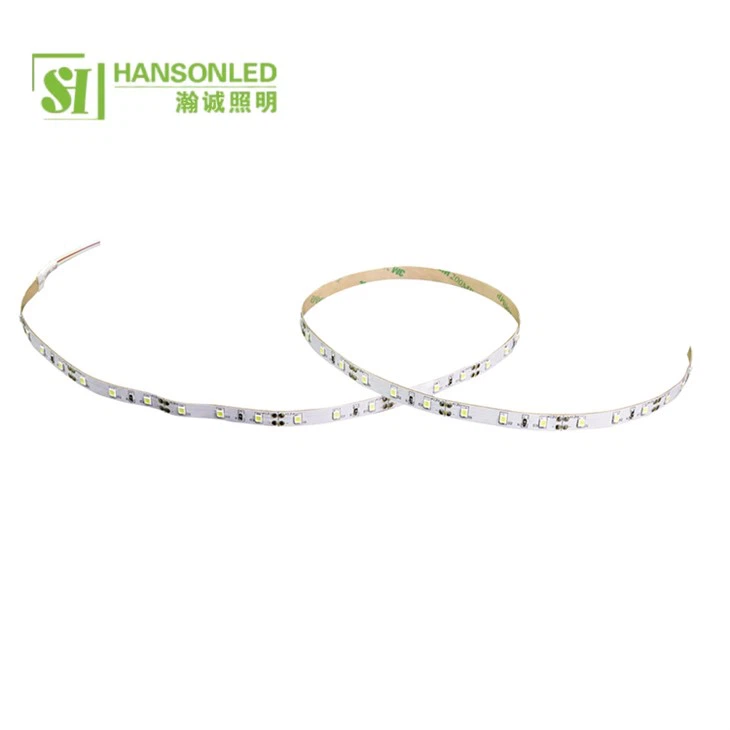
When it comes to lighting solutions, the 2835 LED Strip 240 LED has emerged as a popular choice for a wide range of applications, from residential to commercial settings. As a supplier of this high - performance LED strip, I am often asked about its heat dissipation performance. In this blog post, I will delve into the details of the heat dissipation capabilities of the 2835 LED Strip 240 LED, explaining why it matters and how it impacts the overall performance and longevity of the product.
Understanding the Importance of Heat Dissipation in LED Strips
LEDs, while highly energy - efficient compared to traditional lighting sources, still generate heat during operation. Excessive heat can have several negative effects on the performance and lifespan of an LED strip. First, high temperatures can cause a phenomenon known as "thermal droop," where the light output of the LEDs decreases as the temperature rises. This means that the strip may not provide the same level of brightness over time, leading to inconsistent lighting in your space.
Second, heat can accelerate the degradation of the LED chips and other components within the strip. This can result in a shorter lifespan for the LED strip, requiring more frequent replacements and increasing the overall cost of ownership. Therefore, effective heat dissipation is crucial for maintaining the optimal performance and longevity of the 2835 LED Strip 240 LED.
Factors Affecting the Heat Dissipation of 2835 LED Strip 240 LED
LED Chip Design
The design of the LED chips used in the 2835 LED Strip 240 LED plays a significant role in heat dissipation. High - quality LED chips are engineered to have better thermal conductivity, allowing heat to transfer more efficiently from the chip to the surrounding environment. Our 2835 LED Strip 240 LED uses advanced LED chips that are designed to minimize heat generation and maximize heat transfer.
PCB Material
The printed circuit board (PCB) on which the LED chips are mounted also affects heat dissipation. A good PCB material should have high thermal conductivity to help transfer heat away from the LED chips. Our 2835 LED Strip 240 LED uses a high - quality PCB material that is specifically chosen for its excellent thermal properties. This allows heat to spread evenly across the PCB and be dissipated more effectively.
Encapsulation Material
The encapsulation material used to protect the LED chips can also impact heat dissipation. Some encapsulation materials have better thermal properties than others. Our 2835 LED Strip 240 LED uses an encapsulation material that not only provides protection for the LED chips but also helps in heat dissipation by allowing heat to escape from the chips.
Installation Environment
The environment in which the 2835 LED Strip 240 LED is installed can have a significant impact on its heat dissipation. If the strip is installed in a confined space with poor ventilation, heat will accumulate more easily, leading to higher operating temperatures. On the other hand, if the strip is installed in an open area with good airflow, heat can be dissipated more quickly. It is important to consider the installation environment when using the 2835 LED Strip 240 LED to ensure optimal heat dissipation.
Measuring the Heat Dissipation Performance of 2835 LED Strip 240 LED
To accurately measure the heat dissipation performance of the 2835 LED Strip 240 LED, we use a combination of thermal imaging and temperature sensors. Thermal imaging allows us to visualize the distribution of heat across the surface of the LED strip, while temperature sensors provide real - time temperature data at specific points on the strip.
Through extensive testing, we have found that our 2835 LED Strip 240 LED has excellent heat dissipation performance. Under normal operating conditions, the temperature of the LED chips remains within a safe range, ensuring consistent light output and a long lifespan for the strip.
Comparison with Other LED Strips
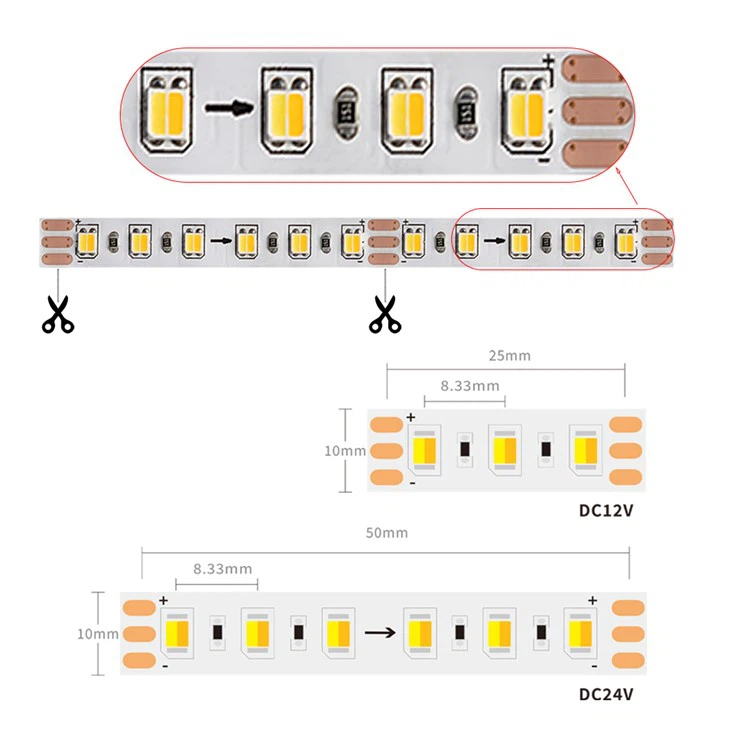
When compared to other LED strips, such as the 2835 LED Strip 120 LED, the Dual White 2835 LED Strip, and the 2835 LED Strip 60 LED, the 2835 LED Strip 240 LED offers superior heat dissipation capabilities. This is due in part to its higher - density LED arrangement and the advanced materials used in its construction.
The higher number of LEDs in the 2835 LED Strip 240 LED means that heat is distributed more evenly across the strip, reducing the risk of hot spots. Additionally, the use of high - quality LED chips, PCB material, and encapsulation material further enhances its heat dissipation performance.
Applications and Benefits of Good Heat Dissipation
The excellent heat dissipation performance of the 2835 LED Strip 240 LED makes it suitable for a wide range of applications. In residential settings, it can be used for under - cabinet lighting, cove lighting, and accent lighting. The consistent brightness and long lifespan provided by its good heat dissipation ensure that your home lighting remains beautiful and energy - efficient for years to come.
In commercial settings, such as retail stores, restaurants, and offices, the 2835 LED Strip 240 LED can be used for display lighting, task lighting, and ambient lighting. The ability to maintain a stable light output over time is essential for creating a pleasant and professional environment for customers and employees.
Conclusion
In conclusion, the heat dissipation performance of the 2835 LED Strip 240 LED is a critical factor that contributes to its overall performance and longevity. Through advanced chip design, high - quality materials, and careful engineering, our 2835 LED Strip 240 LED offers excellent heat dissipation capabilities, ensuring consistent brightness and a long lifespan.
If you are interested in learning more about our 2835 LED Strip 240 LED or are looking to place an order for your lighting project, please feel free to contact us. We are here to provide you with the best lighting solutions and support.
References
- "LED Lighting Handbook," by Philips Lighting
- "Thermal Management in LED Lighting Systems," by Cree Inc.
