

Do ZIG - ZAG LED Strips require a heat sink?
Wed 06,2025
Leave a message
Hey there! I'm a supplier of ZIG - ZAG LED Strips, and today I wanna chat with you about whether these nifty strips need a heat sink.
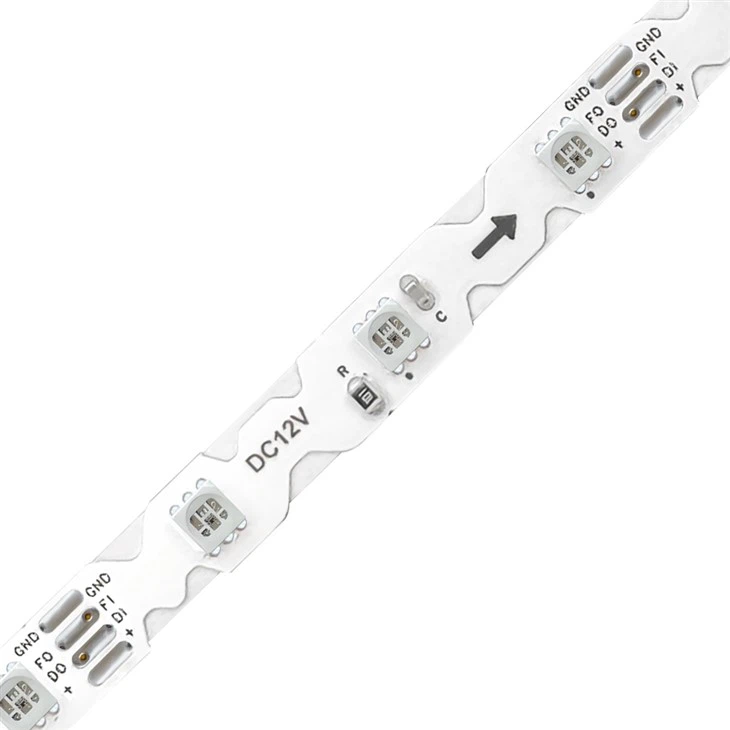
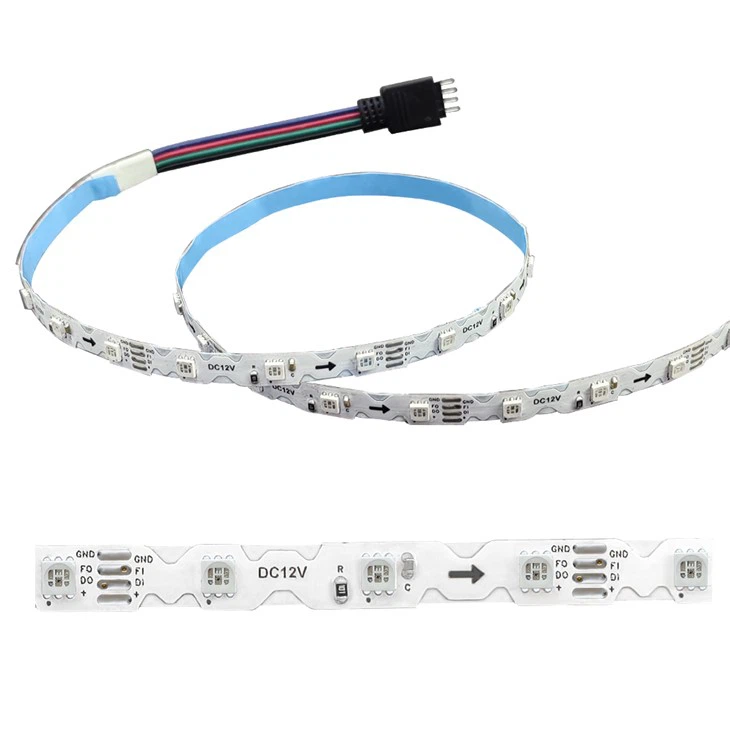
First off, let's understand what ZIG - ZAG LED Strips are. They're super cool lighting solutions. The zig - zag design gives them a unique look compared to regular straight LED strips. You can check out our SPI RGB ZIG ZAG STRIP, S - shaped LED Light Strip, and ZIG ZAG LED Strip 120 LED on our website. These strips are used in a bunch of places, like home decor, commercial displays, and even in some creative craft projects.
Now, let's dive into the heat sink question. LEDs, in general, do produce heat. When an electric current passes through an LED, not all of the energy is converted into light. Some of it turns into heat. This is where the heat sink comes in. A heat sink is a device that helps dissipate that heat, keeping the LED at a safe temperature.
The thing is, whether ZIG - ZAG LED Strips need a heat sink depends on a few factors. One of the main factors is the power consumption of the strip. Higher - power LED strips generate more heat. If you're using a ZIG - ZAG LED Strip with a high wattage, say for a large - scale commercial lighting installation, then it's very likely that you'll need a heat sink. For example, if you're using a strip to light up a big store window or a large exhibition booth, the continuous high - power operation can cause the LEDs to heat up significantly. Without a heat sink, the excess heat can reduce the lifespan of the LEDs and even cause them to fail prematurely.
Another factor is the environment where the LED strips are installed. If the strips are placed in an enclosed space with poor ventilation, heat can build up quickly. In such cases, a heat sink becomes almost a necessity. Think about a cabinet with ZIG - ZAG LED Strips inside. The enclosed space traps the heat, and without a heat sink, the temperature inside the cabinet can rise to levels that are harmful to the LEDs.
On the other hand, if you're using low - power ZIG - ZAG LED Strips in a well - ventilated area, you might not need a heat sink. For instance, if you're using these strips for some simple home decor, like under - cabinet lighting in your kitchen, where there's plenty of air circulation, the natural airflow can help keep the LEDs cool. The amount of heat generated by low - power strips is relatively small, and the ambient air can dissipate it effectively.
Let's talk about the benefits of using a heat sink with ZIG - ZAG LED Strips. First and foremost, it extends the lifespan of the LEDs. When LEDs operate at lower temperatures, they're less likely to experience degradation. This means you won't have to replace the strips as often, which can save you money in the long run.
Secondly, a heat sink can improve the performance of the LEDs. Heat can affect the color and brightness of the light output. By keeping the LEDs cool, a heat sink ensures that the light remains consistent and of high quality. You won't have to deal with the annoying problem of the light changing color or dimming over time.
However, there are also some downsides to using a heat sink. The obvious one is the cost. Heat sinks can add to the overall cost of the lighting system. You have to factor in the cost of the heat sink itself, as well as the cost of installation. Additionally, heat sinks can take up space. If you're working on a project with limited space, fitting a heat sink might be a challenge.
So, how do you decide if you need a heat sink for your ZIG - ZAG LED Strips? Here's a simple checklist. First, check the power rating of the strip. If it's a high - power strip (usually anything above 10 - 15 watts per meter), a heat sink is probably a good idea. Second, assess the installation environment. If it's an enclosed or poorly - ventilated space, go for the heat sink. And if you're looking for long - term performance and want to ensure the best light quality, a heat sink can be a great investment.
In some cases, you might be able to get away with alternative cooling methods. For example, you can use fans to increase air circulation around the LED strips. This can be a more cost - effective solution, especially for smaller projects. But keep in mind that fans also have their limitations. They consume power themselves and can be noisy, which might not be ideal for some applications.
As a ZIG - ZAG LED Strip supplier, I've seen a wide range of projects. Some customers swear by heat sinks, while others manage just fine without them. It really depends on your specific needs and the requirements of your project.
If you're still not sure whether your project needs a heat sink for the ZIG - ZAG LED Strips, don't hesitate to reach out. We're here to help you make the right decision. Whether you're a DIY enthusiast working on a cool home project or a professional in the lighting industry, we can provide you with the best advice and the highest - quality ZIG - ZAG LED Strips.
We're always open to discussing your lighting needs and can offer customized solutions. If you're interested in purchasing our ZIG - ZAG LED Strips or have any questions about heat sinks or other related topics, feel free to start a conversation with us. We're looking forward to working with you on your next lighting project.
References:
- General knowledge of LED technology and heat management in lighting systems.
- Industry experience as a ZIG - ZAG LED Strip supplier.
