

What is the power distribution of a Pixel LED Strip?
Tue 12,2025
Leave a message
What is the power distribution of a Pixel LED Strip?
As a supplier of Pixel LED Strips, I often encounter customers who are curious about the power distribution of these innovative lighting products. Understanding power distribution is crucial for ensuring optimal performance, safety, and energy efficiency. In this blog post, I'll delve into the intricacies of power distribution in Pixel LED Strips, exploring the factors that influence it and providing practical insights for users.
Understanding Pixel LED Strips
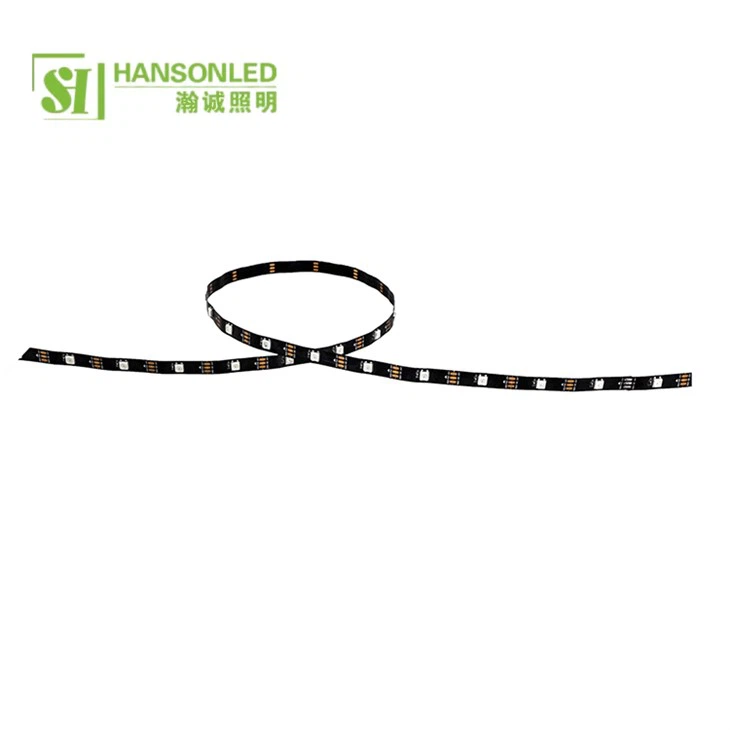
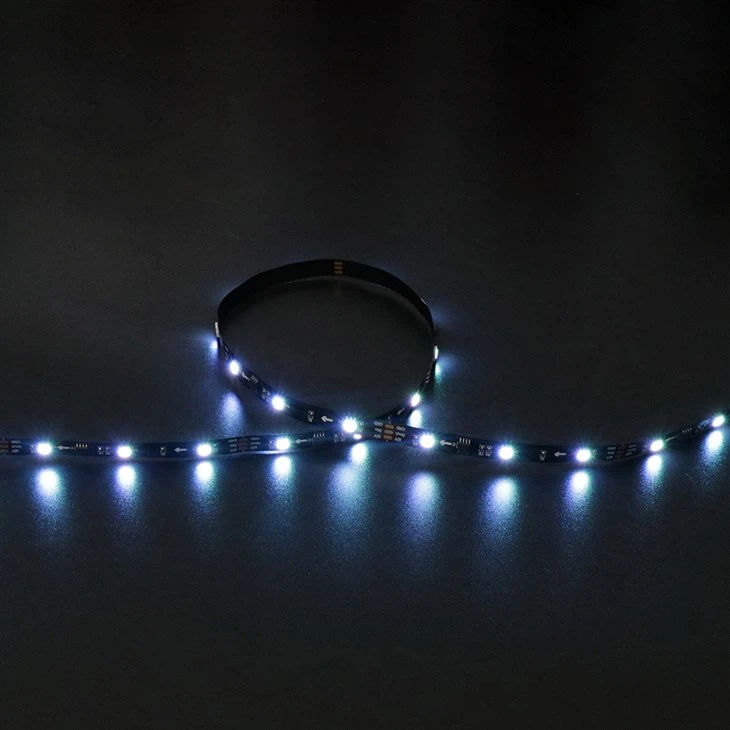
Before we dive into power distribution, let's briefly review what Pixel LED Strips are. Pixel LED Strips, also known as addressable LED Strips, are a type of lighting product that consists of multiple individual LED pixels connected in a strip. Each pixel can be controlled independently, allowing for a wide range of lighting effects and customization options. These strips are commonly used in various applications, including architectural lighting, stage lighting, and decorative lighting.
Factors Affecting Power Distribution
Several factors influence the power distribution of a Pixel LED Strip. Understanding these factors is essential for accurately calculating power requirements and ensuring proper operation.
1. LED Type and Quantity
The type and quantity of LEDs on the strip are significant factors in power distribution. Different LED models have varying power consumption rates. For example, high - brightness LEDs typically consume more power than standard ones. Additionally, the more LEDs there are on the strip, the higher the overall power demand. For instance, a Pixel LED Strip with 60 LEDs per meter will consume more power than a strip with 30 LEDs per meter, assuming the same LED type.
2. Color and Brightness
The color and brightness settings of the Pixel LED Strip also affect power consumption. LEDs consume different amounts of power depending on the color they are displaying. Generally, red LEDs consume less power compared to green and blue LEDs. When the strip is set to display a bright white color (which is a combination of red, green, and blue), it will consume more power than when displaying a single - color, low - brightness effect.
3. Control Circuitry
The control circuitry of the Pixel LED Strip plays a role in power distribution. Some advanced Pixel LED Strips come with sophisticated control chips that manage the individual pixels. These chips require a certain amount of power to operate, and their power consumption can vary depending on the complexity of the control functions.
Calculating Power Requirements
To ensure proper power distribution, it's necessary to calculate the power requirements of the Pixel LED Strip accurately. Here's a step - by - step guide on how to do it:
Step 1: Determine the Power Consumption per LED
Check the datasheet of the specific LED model used in the strip. The datasheet will provide information on the typical power consumption per LED, usually measured in milliamperes (mA) or watts (W).
Step 2: Count the Number of LEDs
Count the total number of LEDs on the strip. This information is often provided by the manufacturer, indicating the number of LEDs per meter and the total length of the strip.
Step 3: Consider the Color and Brightness
If you plan to use the strip at full brightness and display complex color combinations, you need to account for the maximum power consumption. However, if you'll be using lower brightness settings or single - color effects, the power consumption will be lower.
Step 4: Account for Control Circuitry
Add an estimated amount of power for the control circuitry. This can be obtained from the product documentation or by contacting the manufacturer.
For example, let's say we have a WS2811 RGB LED Strip with 60 LEDs per meter and a length of 5 meters. The datasheet states that each LED consumes 60 mA at full brightness. The total number of LEDs is 60 LEDs/meter * 5 meters = 300 LEDs. The total current consumption of the LEDs alone is 300 LEDs * 60 mA = 18000 mA or 18 A. If the control circuitry consumes an additional 1 A, the total current requirement is 19 A.
Power Supply Considerations
Once you've calculated the power requirements, it's crucial to choose an appropriate power supply.
1. Voltage Compatibility
Pixel LED Strips are available in different voltage ratings, such as 5V, 12V, and 24V. Make sure the power supply voltage matches the voltage requirement of the strip. For example, if you have a IC 5V LED Strip, you need a 5V power supply.
2. Power Capacity
The power supply should have sufficient capacity to meet the power requirements of the Pixel LED Strip. It's advisable to choose a power supply with a slightly higher capacity than the calculated power consumption to account for any potential power surges or fluctuations.
3. Quality and Stability
Invest in a high - quality power supply to ensure stable power distribution. A poor - quality power supply can lead to flickering, inconsistent lighting, and even damage to the LED strip.
Power Distribution in Long Strips
When using long Pixel LED Strips, power distribution becomes more challenging. As the electrical current travels along the strip, there is a voltage drop, which can cause the LEDs at the end of the strip to be dimmer than those at the beginning. To mitigate this issue:
1. Use Multiple Power Inputs
For long strips, it's recommended to use multiple power inputs at regular intervals. This helps to maintain a consistent voltage along the entire length of the strip.
2. Upgrade the Wire Gauge
Using a thicker wire (lower gauge) can reduce the resistance and minimize the voltage drop. This ensures that the power is distributed more evenly across the strip.
Importance of Proper Power Distribution
Proper power distribution is essential for several reasons:
1. Performance
Optimal power distribution ensures that the Pixel LED Strip operates at its best. It prevents flickering, color inconsistencies, and uneven brightness, providing a high - quality lighting experience.
2. Safety
Overloading the power supply or having improper power distribution can pose a safety hazard, such as overheating or electrical fires. By calculating and distributing power correctly, you can ensure the safe operation of the lighting system.
3. Energy Efficiency
Proper power distribution helps to minimize energy waste. By using the right power supply and managing power consumption effectively, you can reduce electricity costs and contribute to a more sustainable lighting solution.
Conclusion
In conclusion, understanding the power distribution of a Pixel LED Strip is crucial for anyone using or supplying these products. By considering factors such as LED type, color, brightness, and control circuitry, and by accurately calculating power requirements and choosing the right power supply, you can ensure optimal performance, safety, and energy efficiency.
If you're interested in purchasing high - quality Pixel LED Strips and need more information about power distribution or any other aspect of our products, feel free to reach out to us. We're here to assist you in making the right choices for your lighting projects. Whether you're looking for an IC 5V LED Strip, a WS2811 RGB LED Strip, or a Smart RGB LED Strip, we have a wide range of options to meet your needs.
References
- "LED Lighting Handbook" by Lighting Research Center
- Datasheets of various Pixel LED Strip models
- Industry reports on LED lighting technology and power management
