

What are the advantages of using an RGB LED module over traditional lighting?
Wed 13,2025
Leave a message
As a supplier of RGB LED modules, I've witnessed firsthand the transformative impact these innovative lighting solutions have on various applications. In this blog post, I'll delve into the numerous advantages of using an RGB LED module over traditional lighting, highlighting why it's becoming the preferred choice for designers, engineers, and enthusiasts alike.
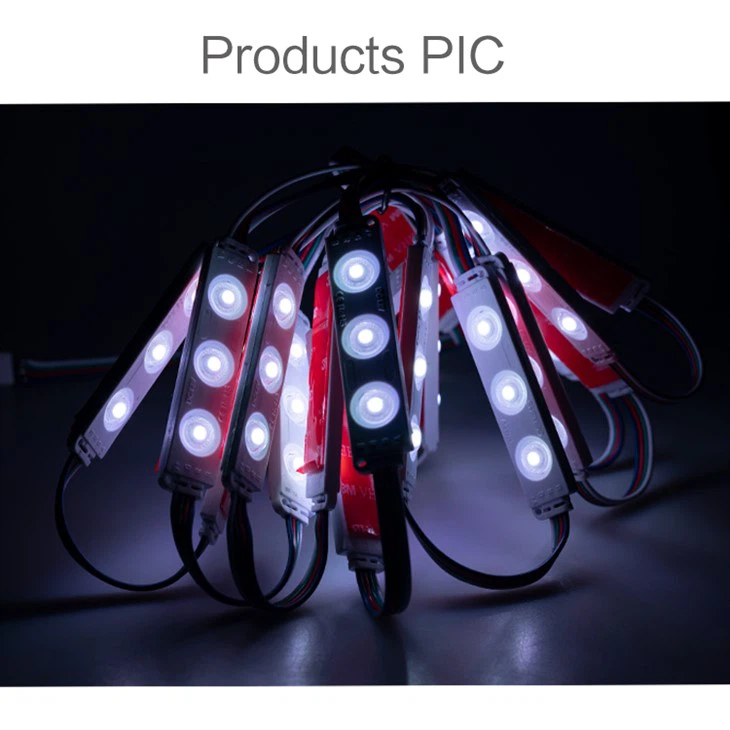
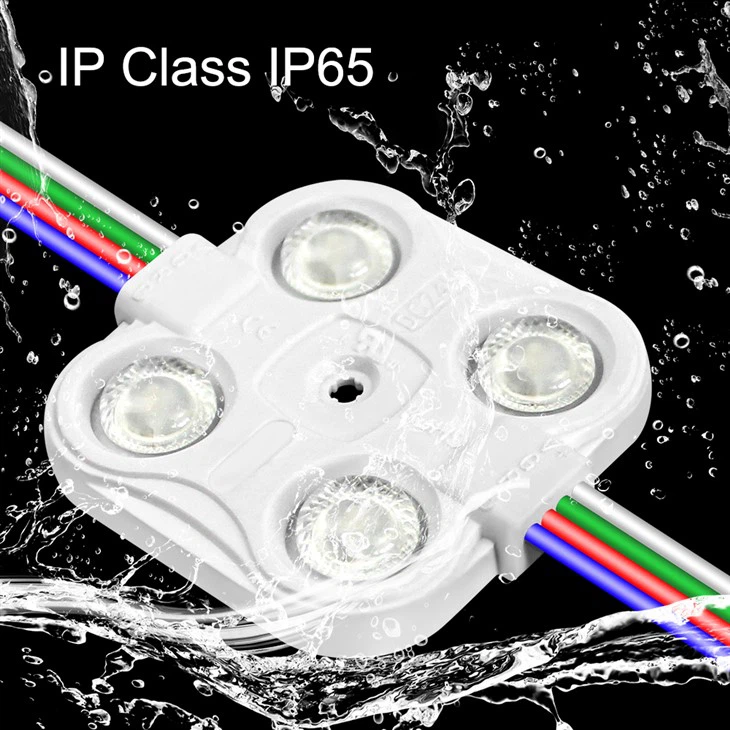
1. Color Versatility
One of the most significant advantages of RGB LED modules is their unparalleled color versatility. Unlike traditional lighting sources, which typically emit a single, fixed color, RGB LED modules can produce a virtually infinite spectrum of colors. By combining different intensities of red, green, and blue light, these modules can create any color imaginable, from vibrant primary colors to subtle pastels and everything in between.
This color versatility makes RGB LED modules ideal for a wide range of applications, including stage lighting, architectural lighting, and decorative lighting. For example, in a theater production, RGB LED modules can be used to create dynamic lighting effects that enhance the mood and atmosphere of the performance. In architectural lighting, they can be used to highlight the unique features of a building or create a visually stunning facade. And in decorative lighting, they can be used to add a touch of creativity and personality to any space.
To explore our range of RGB LED modules with even more color options, check out our RGBW LED Module, which includes an additional white channel for enhanced color accuracy and brightness.
2. Energy Efficiency
Another major advantage of RGB LED modules is their energy efficiency. Traditional lighting sources, such as incandescent bulbs and fluorescent tubes, consume a significant amount of energy and generate a lot of heat. In contrast, RGB LED modules are designed to be highly energy-efficient, using up to 80% less energy than traditional lighting sources.
This energy efficiency not only helps to reduce electricity bills but also has a positive impact on the environment. By using less energy, RGB LED modules help to reduce greenhouse gas emissions and conserve natural resources. Additionally, their long lifespan means that they need to be replaced less frequently, further reducing waste and environmental impact.
For a more compact and energy-efficient option, consider our RGB 3 LED Module, which offers high brightness and color accuracy in a small form factor.
3. Long Lifespan
RGB LED modules have a significantly longer lifespan than traditional lighting sources. While incandescent bulbs typically last for around 1,000 hours and fluorescent tubes last for around 10,000 hours, RGB LED modules can last for up to 50,000 hours or more.
This long lifespan means that RGB LED modules need to be replaced less frequently, reducing maintenance costs and downtime. It also makes them ideal for applications where frequent bulb changes are difficult or impractical, such as in high ceilings or hard-to-reach locations.
4. Instant On/Off
RGB LED modules offer instant on/off functionality, meaning that they reach full brightness immediately when turned on. This is in contrast to traditional lighting sources, such as fluorescent tubes, which can take several seconds or even minutes to reach full brightness.
The instant on/off feature of RGB LED modules makes them ideal for applications where quick and reliable lighting is required, such as in emergency lighting, security lighting, and automotive lighting. It also allows for more precise control of lighting effects, as the modules can be turned on and off rapidly to create dynamic lighting sequences.
5. Dimmability
RGB LED modules are highly dimmable, allowing for precise control of light intensity. This is in contrast to traditional lighting sources, which often have limited dimming capabilities or require special dimming equipment.
The dimmability of RGB LED modules makes them ideal for applications where the lighting needs to be adjusted to suit different moods or activities, such as in homes, offices, and restaurants. It also allows for energy savings, as the modules can be dimmed when full brightness is not required.
6. Low Heat Emission
RGB LED modules emit very little heat compared to traditional lighting sources. This is because they convert most of the electrical energy they consume into light, rather than heat. In contrast, incandescent bulbs and fluorescent tubes waste a significant amount of energy as heat.
The low heat emission of RGB LED modules makes them safer to use, as they reduce the risk of fire and burns. It also makes them ideal for applications where heat-sensitive materials or equipment are present, such as in museums, art galleries, and computer servers.
7. Compact Size
RGB LED modules are available in a variety of compact sizes, making them easy to install and integrate into different lighting systems. This is in contrast to traditional lighting sources, which are often large and bulky.
The compact size of RGB LED modules makes them ideal for applications where space is limited, such as in automotive lighting, signage, and portable lighting. It also allows for more creative and flexible lighting designs, as the modules can be easily arranged and combined to create unique lighting effects.
8. Durability
RGB LED modules are highly durable and resistant to shock, vibration, and moisture. This is because they are made of solid-state components, rather than fragile filaments or glass tubes.
The durability of RGB LED modules makes them ideal for use in harsh environments, such as in outdoor lighting, industrial lighting, and marine lighting. It also means that they are less likely to break or malfunction, reducing maintenance costs and downtime.
9. Easy Control
RGB LED modules are easy to control using a variety of methods, including remote controls, smartphones, and computer software. This allows for precise control of color, brightness, and lighting effects, making it easy to create customized lighting solutions.
The easy control of RGB LED modules makes them ideal for applications where the lighting needs to be adjusted frequently or remotely, such as in smart homes, commercial buildings, and entertainment venues. It also allows for the creation of dynamic lighting shows and interactive lighting experiences.
10. Cost-Effectiveness
While the initial cost of RGB LED modules may be higher than traditional lighting sources, they offer significant cost savings in the long run. This is due to their energy efficiency, long lifespan, and low maintenance requirements.
Over time, the cost savings from using RGB LED modules can offset the initial investment, making them a cost-effective lighting solution. Additionally, the increasing popularity of RGB LED modules has led to a decrease in their prices, making them more accessible to a wider range of customers.
In conclusion, the advantages of using an RGB LED module over traditional lighting are clear. From color versatility and energy efficiency to long lifespan and easy control, RGB LED modules offer a superior lighting solution for a wide range of applications. If you're interested in learning more about our RGB LED modules or discussing your specific lighting needs, please don't hesitate to contact us. We'd be happy to help you find the perfect lighting solution for your project.
References
- "LED Lighting: Energy Efficiency and Cost Savings." U.S. Department of Energy.
- "The Advantages of LED Lighting." Lighting Research Center, Rensselaer Polytechnic Institute.
- "RGB LED Lighting: A Comprehensive Guide." All About Circuits.
