

What is the effect of over - voltage on an LED light bar?
Thu 14,2025
Leave a message
As a supplier of LED Light Bars, I've witnessed firsthand the critical role these lighting solutions play in various applications, from residential to commercial settings. One common concern that often arises among our customers is the effect of over - voltage on an LED light bar. In this blog, I'll delve into the science behind it and provide insights that can help you better understand and manage this issue.
Understanding LED Light Bars
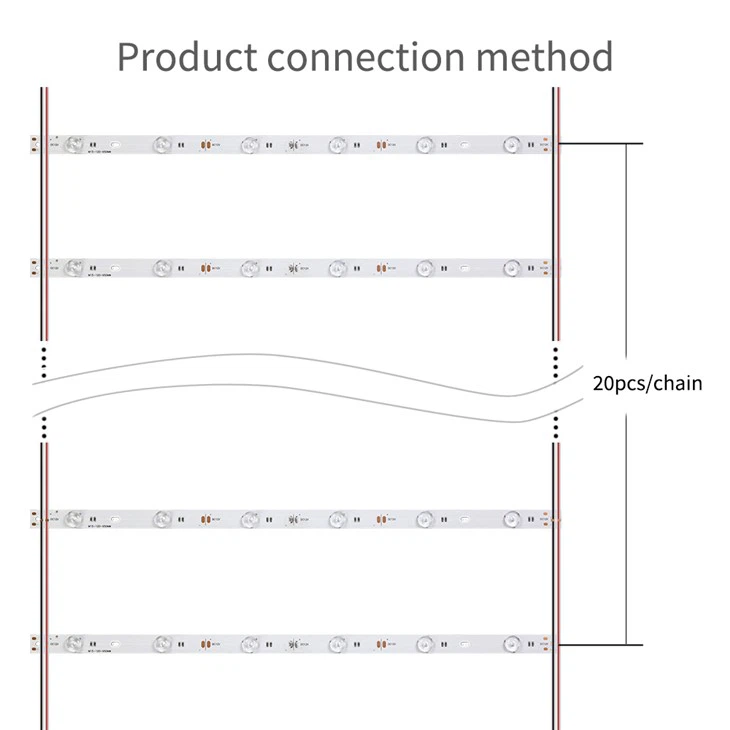
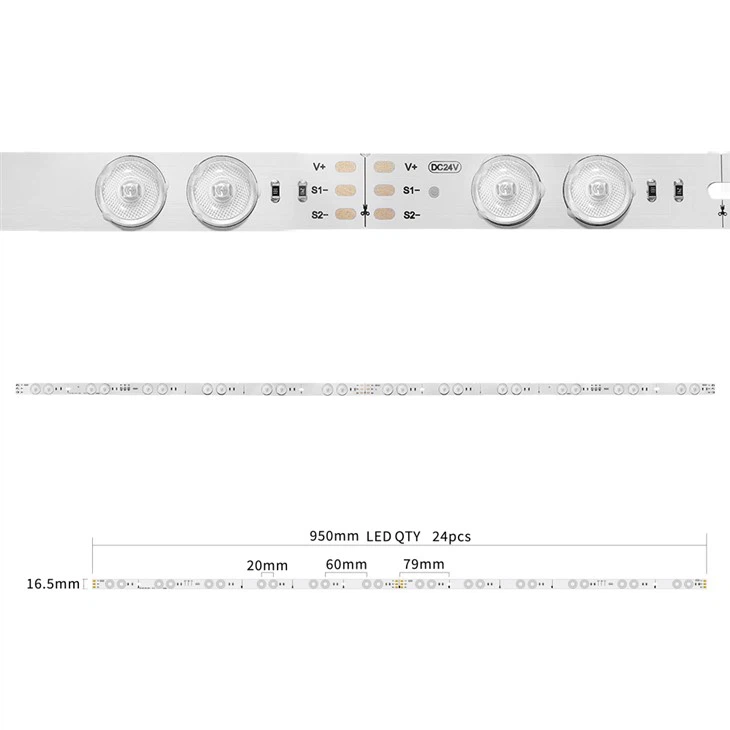
Before we discuss the impact of over - voltage, let's briefly understand what an LED light bar is. An LED Light Bar is a linear lighting fixture composed of multiple light - emitting diodes (LEDs) arranged in a row. These bars are highly efficient, energy - saving, and offer a long lifespan compared to traditional lighting sources. They come in different types, such as CCT LED Lens Bar, Dual Color Led Lens Bar, color Changeable Lens Bar and RGB Lens Bar, RGB Light Bar, RGB Control Light Bar, color Changeable Light Bar, each with unique features and applications.
How LEDs Work
LEDs are semiconductor devices that emit light when an electric current passes through them. Unlike incandescent bulbs, which produce light by heating a filament, LEDs generate light through a process called electroluminescence. When electrons in the semiconductor material recombine with electron holes, energy is released in the form of photons, which we perceive as light.
The Importance of Proper Voltage
LEDs are designed to operate within a specific voltage range. This range is carefully determined by the manufacturer to ensure optimal performance, efficiency, and longevity. When an LED light bar is supplied with the correct voltage, the LEDs function as intended, providing a stable and consistent light output.
Effects of Over - Voltage on LED Light Bars
1. Increased Light Output (Initially)
When an over - voltage is applied to an LED light bar, the most immediate effect is an increase in light output. This is because the higher voltage causes more current to flow through the LEDs, resulting in a greater number of electron - hole recombinations and, therefore, more photons being emitted. However, this increase in light output is not sustainable and comes with several negative consequences.
2. Overheating
One of the most significant problems associated with over - voltage is overheating. As the current through the LEDs increases due to the higher voltage, the power dissipated as heat also rises. LEDs are sensitive to temperature changes, and excessive heat can have a detrimental impact on their performance and lifespan. High temperatures can cause the semiconductor material in the LEDs to degrade more quickly, leading to a reduction in light output over time.
3. Reduced Lifespan
Over - voltage can significantly reduce the lifespan of an LED light bar. The increased heat and stress on the LEDs accelerate the aging process. The internal components of the LEDs, such as the die and the packaging, are more likely to fail prematurely when exposed to over - voltage conditions. This means that you may have to replace the light bar more frequently, which can be costly in the long run.
4. Color Shift
Another effect of over - voltage is color shift. LEDs are designed to emit light of a specific color temperature and color rendering index (CRI). When over - voltage is applied, the color of the light emitted by the LEDs can change. This is because the higher temperature and current levels can affect the emission spectrum of the LEDs. A color shift can be particularly problematic in applications where color accuracy is crucial, such as in photography studios or retail displays.
5. Electrical Damage
In severe cases, over - voltage can cause permanent electrical damage to the LED light bar. Excessive current can cause the LEDs to short - circuit or burn out completely. This not only renders the light bar useless but can also pose a safety hazard, especially if the damaged light bar is not replaced promptly.
Preventing Over - Voltage Issues
As a supplier, we understand the importance of preventing over - voltage issues for our customers. Here are some steps you can take to ensure that your LED light bars are protected:
1. Use a Proper Power Supply
Always use a power supply that is specifically designed for your LED light bar. The power supply should provide a stable and regulated voltage within the recommended range of the light bar. Avoid using power supplies that are not rated for the correct voltage or current, as this can lead to over - voltage problems.
2. Install a Voltage Regulator
A voltage regulator can help maintain a constant voltage across the LED light bar, even if there are fluctuations in the input voltage. This can be particularly useful in areas where the electrical grid is unstable or where there are frequent power surges.
3. Regular Maintenance and Inspection
Regularly inspect your LED light bars for any signs of over - heating, color shift, or reduced light output. If you notice any of these symptoms, check the voltage supply immediately and take appropriate action.
Conclusion
In conclusion, over - voltage can have a significant impact on the performance and lifespan of an LED light bar. It can cause increased light output initially, but this comes at the cost of overheating, reduced lifespan, color shift, and potential electrical damage. As a supplier, we are committed to providing high - quality LED light bars and ensuring that our customers have the knowledge and tools to use them safely and effectively.
If you are interested in purchasing LED light bars or have any questions about preventing over - voltage issues, please feel free to contact us. We look forward to discussing your lighting needs and helping you find the best solutions for your projects.
References
- "LED Lighting Handbook" by Philips Lighting
- "The Physics of Light - Emitting Diodes" by E. Fred Schubert
- Industry reports on LED lighting performance and reliability
