

Can high voltage LED strips be used in a low - temperature environment?
Fri 22,2025
Leave a message
Hey there! As a supplier of High Voltage LED Strips, I often get asked a bunch of questions from customers. One question that pops up quite a bit is, "Can high voltage LED strips be used in a low - temperature environment?" Well, let's dig into this topic and find out.
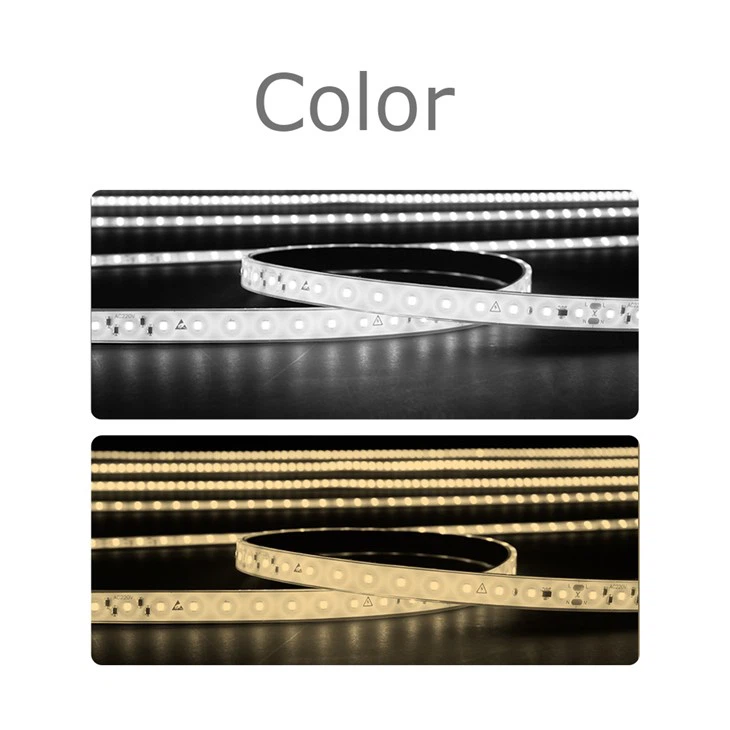
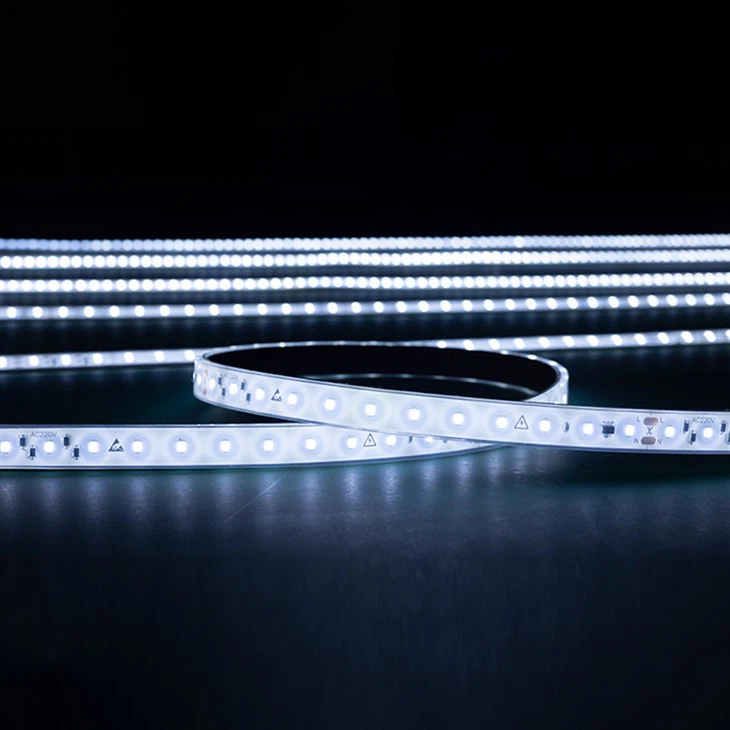
First off, let's understand what high voltage LED strips are. High voltage LED strips are designed to operate at a relatively high voltage compared to their low - voltage counterparts. They're great for a variety of applications, from commercial lighting setups to large - scale indoor and outdoor decorations. We've got two popular products in our range: High Voltage LED Strip 60 LED and High Voltage LED Strip 120 LED. The 60 - LED version provides a decent amount of illumination, while the 120 - LED one offers a brighter and more intense light output.
Now, let's talk about low - temperature environments. Low - temperature conditions can have a significant impact on electronic devices, and LED strips are no exception. When the temperature drops, several things can happen to high voltage LED strips.
One of the main concerns is the effect on the LED chips themselves. LEDs are semiconductor devices, and their performance is closely related to temperature. In low - temperature environments, the efficiency of LED chips can change. Generally, LEDs tend to be more efficient at lower temperatures. That means they can produce more light per unit of electrical power consumed. Sounds great, right? Well, it is to an extent. But there's a catch.
At extremely low temperatures, the materials inside the LED chips can contract. This contraction can cause stress on the internal components, potentially leading to cracks or other forms of damage. Over time, this damage can reduce the lifespan of the LED strips and affect their light output.
Another aspect to consider is the impact on the soldering joints. The solder used to connect the LED chips to the circuit board can become brittle in cold temperatures. If the LED strip is subjected to vibrations or mechanical stress, these brittle solder joints are more likely to break. Once the solder joints break, the electrical connection is disrupted, and the LED strip may stop working properly.
The wiring in high voltage LED strips can also be affected by low temperatures. The insulation material around the wires can become stiff and less flexible. This makes the wires more prone to cracking, especially if they're bent or moved. A cracked insulation can expose the conductive wires, creating a safety hazard and potentially causing short - circuits.
However, it's not all doom and gloom. Many high voltage LED strips are designed to withstand a certain range of low temperatures. Manufacturers usually specify the operating temperature range for their products. For example, some high - quality high voltage LED strips can operate reliably in temperatures as low as - 20°C or even lower.
When choosing a high voltage LED strip for a low - temperature environment, it's crucial to look at the product specifications. Check the minimum operating temperature and make sure it matches the conditions of your intended installation. If you're planning to use the LED strips in an outdoor setting where the temperature can drop significantly during winter, you'll want to go for a strip that's rated for cold weather.
Proper installation is also key. Make sure the LED strips are installed in a way that minimizes stress on the components. Avoid bending the strips too sharply, especially in cold weather. You may also want to consider using additional protective measures, such as enclosures or heat - insulating materials, to shield the LED strips from the cold.
If you're using high voltage LED strips in a low - temperature environment, it's a good idea to monitor their performance regularly. Look out for any signs of reduced light output, flickering, or other abnormal behavior. If you notice any issues, it's best to address them promptly to prevent further damage.
In some cases, you may need to take steps to heat the area where the LED strips are installed. This can be done using heaters or other heating devices. However, this approach adds an extra cost and complexity to the setup.
So, to answer the question, yes, high voltage LED strips can be used in a low - temperature environment, but with some considerations. As a supplier, I always recommend that customers do their research and choose the right product for their specific needs.
If you're in the market for high voltage LED strips and have questions about using them in a low - temperature environment, don't hesitate to reach out. We're here to help you make the best choice for your lighting project. Whether you're looking for the High Voltage LED Strip 60 LED or the High Voltage LED Strip 120 LED, we've got you covered. Contact us today to start a discussion about your requirements and let's work together to find the perfect lighting solution for you.
References
- "LED Lighting Handbook" - A comprehensive guide on LED technology and its performance under different conditions.
- Industry reports on the effects of temperature on electronic components, specifically focusing on LEDs.
