

What is the UV emission of an RGB LED module?
Wed 10,2025
Leave a message
As a supplier of RGB LED modules, I often encounter inquiries about the UV emission of these modules. In this blog post, I'll delve into the topic, explaining what UV emission in RGB LED modules is, why it matters, and how it relates to our products.
Understanding RGB LED Modules
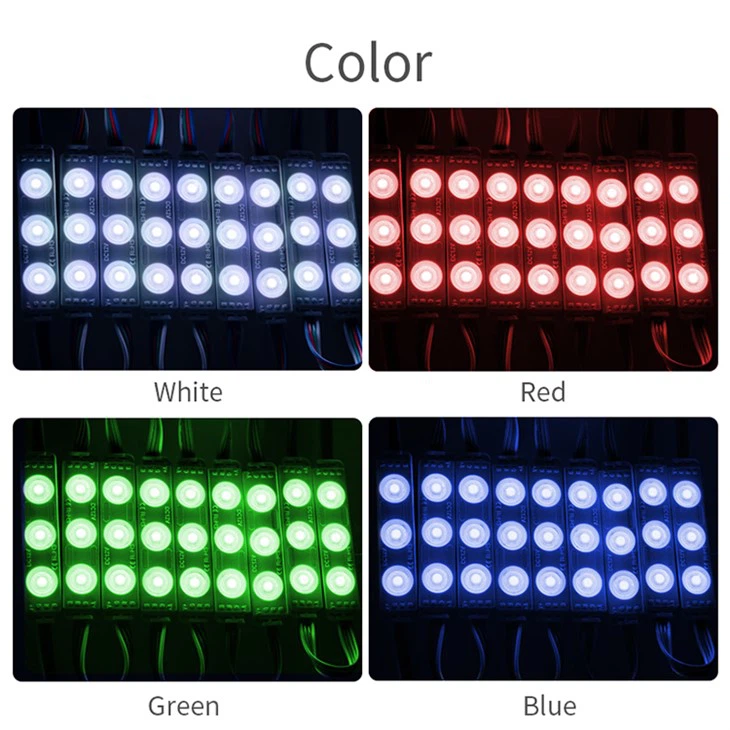
Before we discuss UV emission, let's first understand what RGB LED modules are. RGB stands for Red, Green, and Blue, the three primary colors of light. By combining these three colors in different intensities, an RGB LED module can produce a wide spectrum of colors. These modules are widely used in various applications, including lighting design, stage lighting, automotive lighting, and decorative lighting.
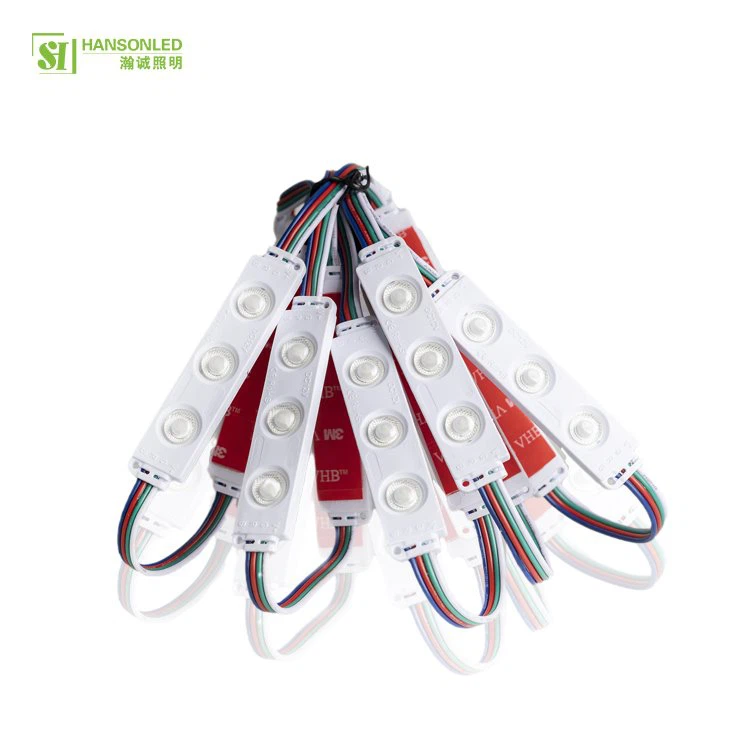
Our company offers a range of RGB LED modules, such as the RGB 3 LED Module, RGBW LED Module, and Led RGB Module. Each of these modules is designed to provide high - quality, customizable lighting solutions to meet different customer needs.
What is UV Emission?
UV, or ultraviolet, light is a type of electromagnetic radiation with a wavelength shorter than that of visible light but longer than X - rays. UV light is divided into three categories: UVA (315 - 400 nm), UVB (280 - 315 nm), and UVC (100 - 280 nm).
In the context of RGB LED modules, UV emission refers to the presence of ultraviolet light in the light output of the module. While RGB LEDs are primarily designed to emit red, green, and blue visible light, there can be some unintended UV emission due to various factors.
Sources of UV Emission in RGB LED Modules
1. Phosphor Degradation
Many RGB LED modules use phosphors to convert the light from the LED chips into different colors. Over time, these phosphors can degrade, especially when exposed to high temperatures or high - energy light. Degraded phosphors may emit UV light as a by - product of the degradation process.
2. Imperfections in LED Chips
LED chips are semiconductor devices, and there can be manufacturing imperfections. These imperfections may cause some electrons to be excited to energy levels that result in the emission of UV light in addition to the intended visible light.
3. Optical Components
The optical components in an RGB LED module, such as lenses and filters, can also contribute to UV emission. If these components are not properly designed or manufactured, they may not effectively block or filter out UV light.
Why UV Emission Matters
1. Health Concerns
Exposure to UV light can have negative effects on human health. UVA can penetrate the skin deeply and cause premature aging, while UVB is mainly responsible for sunburns and can increase the risk of skin cancer. In indoor lighting applications, especially in areas where people spend a long time, it is crucial to minimize UV emission to protect the health of the occupants.
2. Material Degradation
UV light can also cause damage to materials. It can fade colors, degrade plastics, and damage fabrics. In applications where RGB LED modules are used for display or decorative purposes, UV emission can reduce the lifespan and quality of the surrounding materials.
Measuring UV Emission in RGB LED Modules
To accurately measure the UV emission of an RGB LED module, specialized equipment is required. Spectrometers are commonly used to analyze the spectral distribution of the light emitted by the module. These devices can measure the intensity of light at different wavelengths, including the UV range.
When measuring UV emission, it is important to follow international standards and guidelines. For example, the International Electrotechnical Commission (IEC) has set limits on UV emission for lighting products to ensure their safety.
Controlling UV Emission in Our RGB LED Modules
As a responsible supplier of RGB LED modules, we take several measures to control and minimize UV emission in our products.
1. High - Quality Phosphors
We use high - quality phosphors that are less prone to degradation. These phosphors are carefully selected and tested to ensure they emit minimal UV light even under normal operating conditions.
2. Stringent Manufacturing Processes
Our manufacturing processes are designed to minimize imperfections in LED chips. We use advanced quality control techniques to detect and reject chips with potential UV - emitting defects.
3. Effective Optical Filters
We incorporate effective optical filters in our RGB LED modules to block UV light. These filters are designed to allow the passage of visible light while effectively blocking UV wavelengths.
Applications and UV Emission
1. Indoor Lighting
In indoor lighting applications, such as home lighting and office lighting, low UV emission is essential. Our RGB LED modules are suitable for these applications as they are designed to emit minimal UV light, providing a safe and comfortable lighting environment.
2. Retail and Display Lighting
In retail and display settings, RGB LED modules are used to showcase products. Since UV light can damage the products on display, our low - UV emission modules help to preserve the quality and appearance of the merchandise.
3. Horticultural Lighting
Although horticultural lighting often uses UV light to promote plant growth, in RGB LED modules used for general horticultural lighting, it is important to control the amount of UV emission. Our modules can be customized to provide the right balance of visible light and UV light for different plant species.
Our Commitment to Low - UV Emission Products
We are committed to providing RGB LED modules with low UV emission. Our research and development team continuously works on improving the design and manufacturing processes to reduce UV emission to the lowest possible level. We also conduct regular testing to ensure that our products meet or exceed the relevant international standards for UV emission.
Conclusion
In conclusion, while RGB LED modules are primarily designed to emit visible light, there can be some UV emission due to factors such as phosphor degradation, imperfections in LED chips, and optical components. UV emission matters because of its potential health risks and its ability to damage materials.
As a supplier of RGB LED modules, we are aware of these issues and take proactive measures to control and minimize UV emission in our products. Our RGB 3 LED Module, RGBW LED Module, and Led RGB Module are designed to provide high - quality, low - UV emission lighting solutions for a wide range of applications.
If you are interested in our RGB LED modules and want to learn more about their UV emission characteristics or have any other questions, please feel free to contact us for procurement and further discussions. We are here to provide you with the best lighting solutions tailored to your needs.
References
- IEC 62471: Photobiological safety of lamps and lamp systems.
- "The Science of Light and Color" by W. David Bigelow.
- "LED Lighting Handbook" by Michael S. Shur and Gregory J. Salamo.
