

Is a RGB LED Strip 120 LED dimmable?
Fri 12,2025
Leave a message
As a supplier of RGB LED Strip 120 LED, I often get asked whether these strips are dimmable. This is a crucial question for many customers, as dimmability can significantly enhance the functionality and aesthetic appeal of the LED strips in various applications. In this blog post, I'll delve into the topic, exploring the dimmability of RGB LED Strip 120 LED, the factors influencing it, and how it can be achieved.
Understanding RGB LED Strip 120 LED
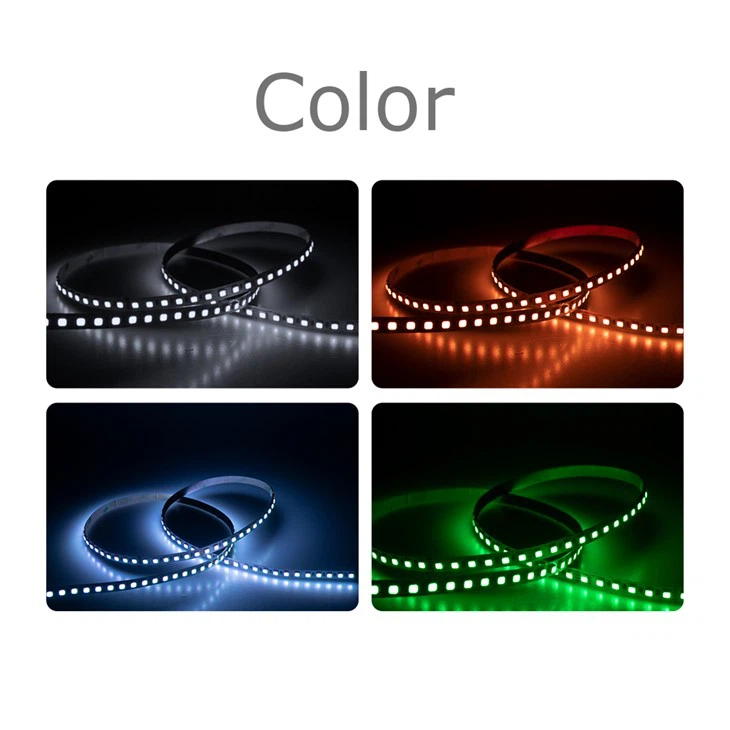
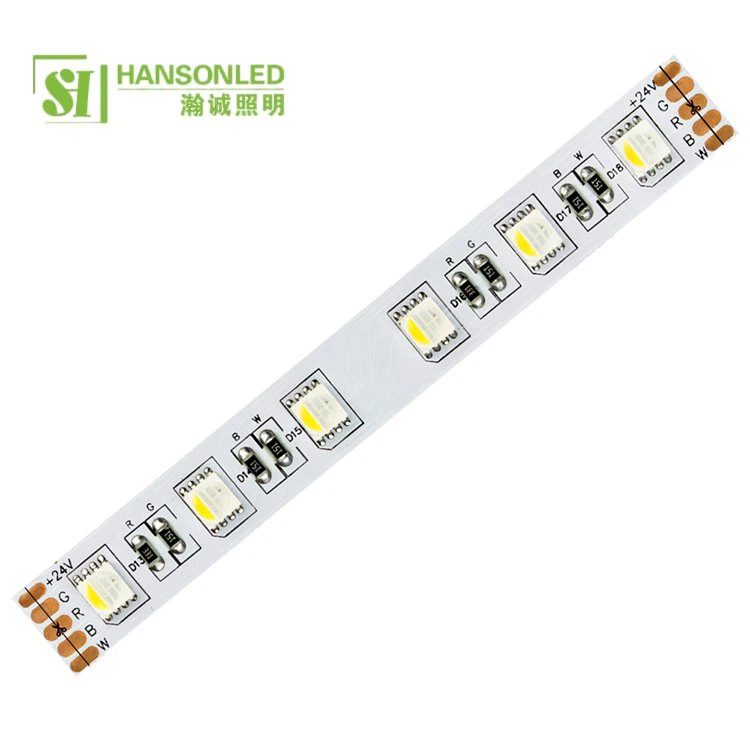
Before we discuss dimmability, let's briefly understand what RGB LED Strip 120 LED is. The "RGB" stands for Red, Green, and Blue, which are the primary colors of light. By mixing these three colors in different proportions, a wide range of colors can be created. The "120 LED" refers to the number of LEDs per meter on the strip. A higher LED density, such as 120 LEDs per meter, generally results in a more uniform and brighter light output.
RGB LED Strip 120 LED is a popular choice for many applications, including home decoration, stage lighting, automotive lighting, and architectural lighting. Its flexibility, energy efficiency, and long lifespan make it an attractive option for both residential and commercial users. RGB LED Strip 120 LED is available in various lengths and can be easily cut and connected to fit different installation requirements.
Dimmability of RGB LED Strip 120 LED
The short answer is yes, RGB LED Strip 120 LED is dimmable. However, the dimmability depends on several factors, including the type of power supply, the driver, and the dimming method used.
Power Supply and Driver
A proper power supply and driver are essential for achieving smooth and reliable dimming. The power supply provides the necessary electrical energy to the LED strip, while the driver regulates the current and voltage to control the brightness and color of the LEDs.
There are two main types of drivers for RGB LED strips: constant voltage drivers and constant current drivers. Constant voltage drivers provide a fixed voltage output, typically 12V or 24V, and the current is determined by the load (the LED strip). Constant current drivers, on the other hand, provide a fixed current output, and the voltage is adjusted according to the load.
For dimming applications, constant current drivers are generally preferred because they can better maintain the color consistency and brightness of the LEDs. They also offer better protection against overheating and overcurrent, which can extend the lifespan of the LED strip.
Dimming Methods
There are several dimming methods available for RGB LED Strip 120 LED, each with its own advantages and disadvantages. The most common dimming methods include:
- Pulse Width Modulation (PWM): PWM is a widely used dimming method that involves rapidly turning the LEDs on and off at a high frequency. By varying the width of the pulses, the average power delivered to the LEDs can be adjusted, resulting in dimming. PWM dimming offers high precision and smooth dimming performance, but it may cause flickering at low frequencies, which can be annoying for some users.
- Analog Dimming: Analog dimming involves varying the voltage or current supplied to the LEDs to control their brightness. This method is simple and inexpensive, but it may affect the color temperature and color rendering index (CRI) of the LEDs, especially at low brightness levels.
- Digital Dimming: Digital dimming uses a digital signal to control the brightness and color of the LEDs. This method offers high precision, smooth dimming, and the ability to control multiple LED strips independently. Digital dimming is often used in advanced lighting control systems, such as DMX (Digital Multiplex) systems.
Achieving Dimmability
To achieve dimmability with RGB LED Strip 120 LED, you need to ensure that you have the right components and follow the correct installation procedures. Here are the steps to achieve dimmability:
- Choose the Right Driver: Select a constant current driver that is compatible with your RGB LED Strip 120 LED and supports the dimming method you want to use. Make sure the driver has a sufficient power output to handle the load of the LED strip.
- Install the Dimmer: Connect the dimmer to the driver according to the manufacturer's instructions. The dimmer can be a standalone device or integrated into a lighting control system.
- Connect the LED Strip: Connect the RGB LED Strip 120 LED to the driver, making sure to observe the correct polarity. Use appropriate connectors and cables to ensure a secure and reliable connection.
- Test the Dimming: Once the installation is complete, test the dimming functionality to ensure that it works properly. Adjust the dimmer to different brightness levels and check the color consistency and smoothness of the dimming.
Benefits of Dimmability
Dimmability offers several benefits for RGB LED Strip 120 LED users. Some of the key benefits include:
- Energy Savings: By reducing the brightness of the LED strip, you can save energy and lower your electricity bills. This is especially important for applications where the lighting is used for long periods of time.
- Enhanced Aesthetics: Dimming allows you to create different lighting effects and moods, enhancing the aesthetic appeal of your space. You can adjust the brightness and color of the LED strip to match the occasion or your personal preferences.
- Increased Comfort: Dimming can help reduce eye strain and create a more comfortable environment, especially in areas where bright lighting may be harsh or distracting.
- Extended Lifespan: By operating the LED strip at a lower brightness, you can reduce the stress on the LEDs and extend their lifespan. This can save you money on replacement costs in the long run.
Other Considerations
When using RGB LED Strip 120 LED for dimming applications, there are a few other considerations to keep in mind:
- Compatibility: Make sure that all the components, including the LED strip, driver, dimmer, and power supply, are compatible with each other. Incompatible components can cause issues such as flickering, color shifting, or reduced dimming performance.
- Flickering: Flickering can be a common problem with dimming, especially at low frequencies. To minimize flickering, choose a high-quality driver and dimmer that are designed to work together. You can also try adjusting the dimming frequency or using a different dimming method.
- Color Consistency: Dimming can affect the color temperature and color rendering index (CRI) of the LEDs, especially at low brightness levels. To maintain color consistency, choose a driver and dimmer that are designed to preserve the color quality of the LEDs.
- Safety: Always follow the manufacturer's instructions and safety guidelines when installing and using RGB LED Strip 120 LED. Make sure to use appropriate electrical protection devices, such as fuses and circuit breakers, to prevent electrical hazards.
Conclusion
In conclusion, RGB LED Strip 120 LED is dimmable, and dimmability can significantly enhance its functionality and aesthetic appeal. By choosing the right power supply, driver, and dimming method, you can achieve smooth and reliable dimming performance. Dimmability offers several benefits, including energy savings, enhanced aesthetics, increased comfort, and extended lifespan.
If you're interested in purchasing RGB LED Strip 120 LED or have any questions about dimmability or other lighting solutions, please feel free to contact us. We're a leading supplier of high-quality LED lighting products, including RGBW LED Strip and 3838 RGB LED Strip. Our team of experts is here to help you find the right lighting solution for your needs.
References
- LED Lighting Basics, Lighting Research Center, Rensselaer Polytechnic Institute
- Dimming LED Lighting, Energy Star
- RGB LED Lighting Technology, Electronics Tutorials
