

Can high voltage LED strips be controlled remotely?
Tue 16,2025
Leave a message
Can high voltage LED strips be controlled remotely? This is a question that many customers often ask me as a high voltage LED strip supplier. In this blog post, I'll delve into the science and technology behind high voltage LED strips and explore the possibilities of remote control.
Understanding High Voltage LED Strips
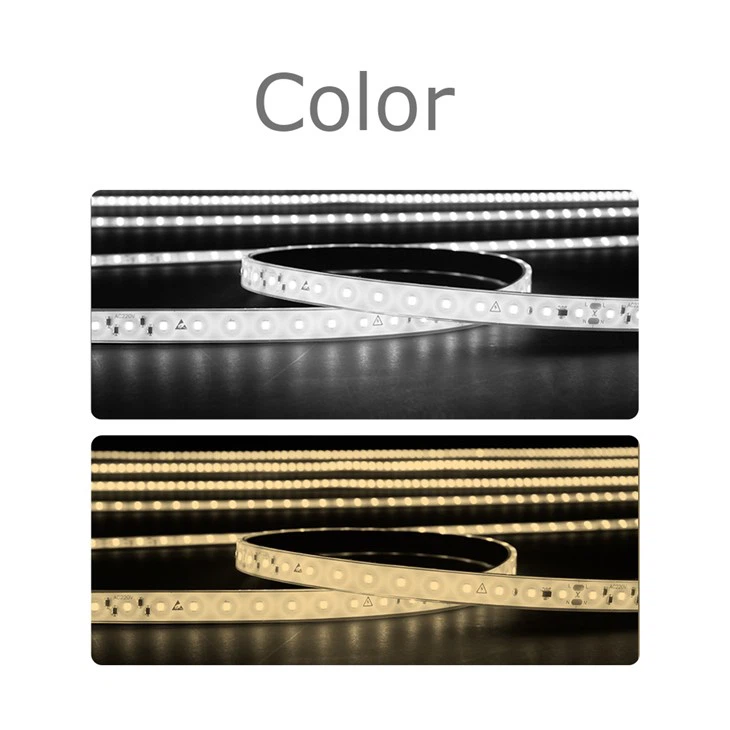
Before we discuss remote control, let's first understand what high voltage LED strips are. High voltage LED strips, such as the High Voltage LED Strip 60 LED and High Voltage LED Strip 120 LED, are designed to operate at higher voltages compared to their low - voltage counterparts. They typically use a direct connection to a mains power supply, which means they can cover longer distances without significant voltage drop.
These LED strips are popular for large - scale lighting projects, commercial spaces, and outdoor applications. The high voltage operation allows for more efficient power delivery, reducing the need for multiple power supplies over long runs. However, this also means that they require proper installation and safety precautions to ensure reliable and safe operation.
The Basics of Remote Control
Remote control technology has come a long way in recent years. From simple infrared (IR) remotes to more advanced wireless protocols like Wi - Fi, Bluetooth, and ZigBee, there are various ways to control electrical devices remotely. The key to remote control lies in the ability to send and receive signals between the controller and the device.
For LED strips, remote control can offer several advantages. It allows users to adjust the brightness, color (in the case of RGB or RGBW LED strips), and even create lighting scenes without having to physically interact with the LED strip itself. This is especially convenient for large - scale installations where reaching the LED strip may be difficult or impractical.
Feasibility of Remote Controlling High Voltage LED Strips
The question of whether high voltage LED strips can be controlled remotely boils down to two main aspects: electrical compatibility and signal transmission.
Electrical Compatibility
High voltage LED strips operate at high voltages, which can pose challenges when integrating remote control systems. Most remote control modules are designed to work with low - voltage signals. To overcome this, a driver or controller unit is required to interface between the high - voltage LED strip and the low - voltage remote control system.
The driver unit acts as a translator, converting the low - voltage control signals from the remote into high - voltage signals that can be used to control the LED strip. It also provides the necessary power regulation and protection for the LED strip. Many modern driver units are specifically designed for high voltage LED strips, making it possible to integrate remote control functionality.
Signal Transmission
Once the electrical compatibility issue is addressed, the next challenge is signal transmission. As mentioned earlier, there are several wireless protocols available for remote control.
- Infrared (IR): IR remotes are the most common and inexpensive option. They work by emitting infrared light signals that are detected by a receiver on the LED strip driver. However, IR signals have a limited range and require a direct line - of - sight between the remote and the receiver. This can be a drawback for large - scale or complex installations.
- Wi - Fi: Wi - Fi allows for remote control over a local network or even the internet. With a Wi - Fi enabled LED strip driver, users can control the LED strip using a smartphone app from anywhere in the world as long as they have an internet connection. This is a very powerful option for smart home or commercial lighting applications.
- Bluetooth: Bluetooth is another popular wireless protocol. It offers short - range communication and is often used in combination with mobile devices. Bluetooth - enabled LED strip drivers are easy to set up and can be controlled directly from a smartphone or tablet.
- ZigBee: ZigBee is a low - power, wireless mesh network protocol. It is ideal for large - scale installations where multiple LED strips need to be controlled simultaneously. ZigBee devices can communicate with each other, creating a network that can cover a large area.
Real - World Applications
The ability to remotely control high voltage LED strips opens up a wide range of real - world applications.
Commercial Spaces
In commercial spaces such as offices, retail stores, and hotels, remote control of high voltage LED strips can be used to create dynamic lighting scenes. For example, in a retail store, the lighting can be adjusted according to the time of day, the type of products on display, or to create a specific atmosphere. This not only enhances the customer experience but also helps to save energy by adjusting the lighting levels as needed.
Outdoor Lighting
Outdoor lighting applications, such as landscape lighting and building facades, can also benefit from remote control of high voltage LED strips. With a remote control, users can turn the lights on and off, adjust the brightness, and change the color to match different seasons or events. This is especially useful for large outdoor areas where manual control would be time - consuming and labor - intensive.
Smart Homes
In smart home applications, high voltage LED strips can be integrated into the overall home automation system. Using a smart home hub or a smartphone app, users can control the LED strips along with other smart devices in the house. For example, they can set the LED strips to turn on automatically when someone enters a room or to create a relaxing lighting scene for movie nights.
Considerations for Remote Controlling High Voltage LED Strips
When considering remote control for high voltage LED strips, there are several factors to keep in mind.
Safety
Safety is of utmost importance when dealing with high - voltage electrical systems. The driver unit used for remote control should be properly rated and certified to handle the high voltage of the LED strip. It should also provide protection against over - voltage, over - current, and short - circuits to prevent damage to the LED strip and ensure safe operation.
Compatibility
Ensure that the remote control system is compatible with the high voltage LED strip and the driver unit. Different LED strips may have different requirements in terms of control signals and power consumption. It's important to choose a remote control system that is specifically designed for high voltage LED strips or can be easily adapted to work with them.
Installation
Proper installation is crucial for the reliable operation of the remote - controlled high voltage LED strip system. The driver unit should be installed in a suitable location, away from moisture, heat, and other environmental factors that could affect its performance. The wiring should also be properly installed and protected to prevent electrical hazards.
Conclusion
In conclusion, high voltage LED strips can indeed be controlled remotely. With the right combination of driver units, remote control protocols, and proper installation, it is possible to enjoy the convenience and flexibility of remote control for high voltage LED strip installations.
If you are considering a high voltage LED strip installation and want to incorporate remote control functionality, I encourage you to reach out to discuss your specific requirements. As a high voltage LED strip supplier, I have the expertise and products to help you create the perfect lighting solution for your project. Whether it's a commercial space, an outdoor area, or a smart home application, we can work together to find the best remote - control solution for your high voltage LED strips.
References
- "LED Lighting Handbook" by Bob Johnstone
- "Wireless Communication Technology for Smart Homes" by David Smith
- Industry whitepapers on high voltage LED strip technology and remote control systems
