

What are the disadvantages of a COB LED strip?
Tue 30,2025
Leave a message
As a supplier of COB LED strips, I've spent a significant amount of time exploring the ins and outs of these lighting solutions. While COB (Chip on Board) LED strips have gained immense popularity due to their numerous advantages such as high brightness, uniform light distribution, and energy - efficiency, it's essential to also shed light on their disadvantages. Understanding these drawbacks can help customers make more informed decisions when choosing lighting products.
1. High Initial Cost
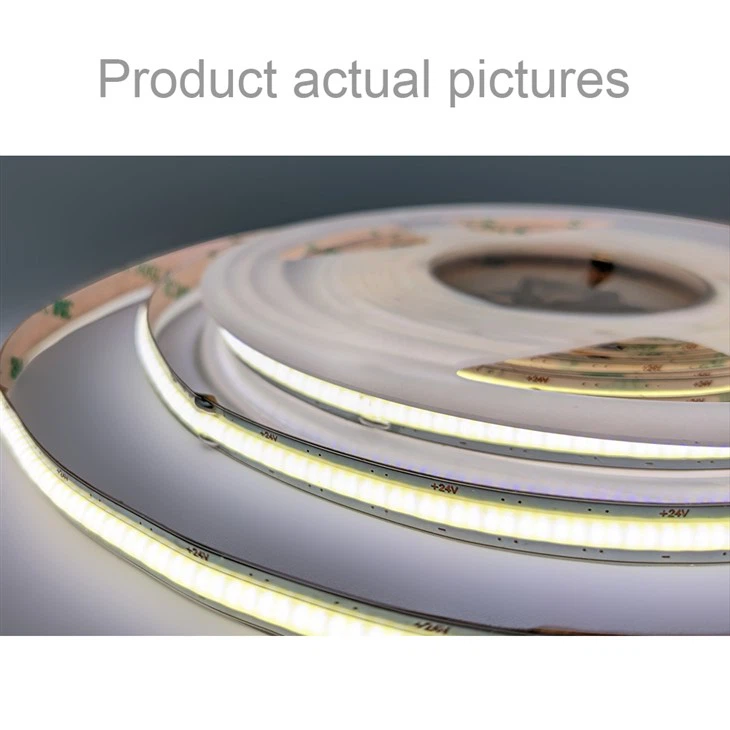
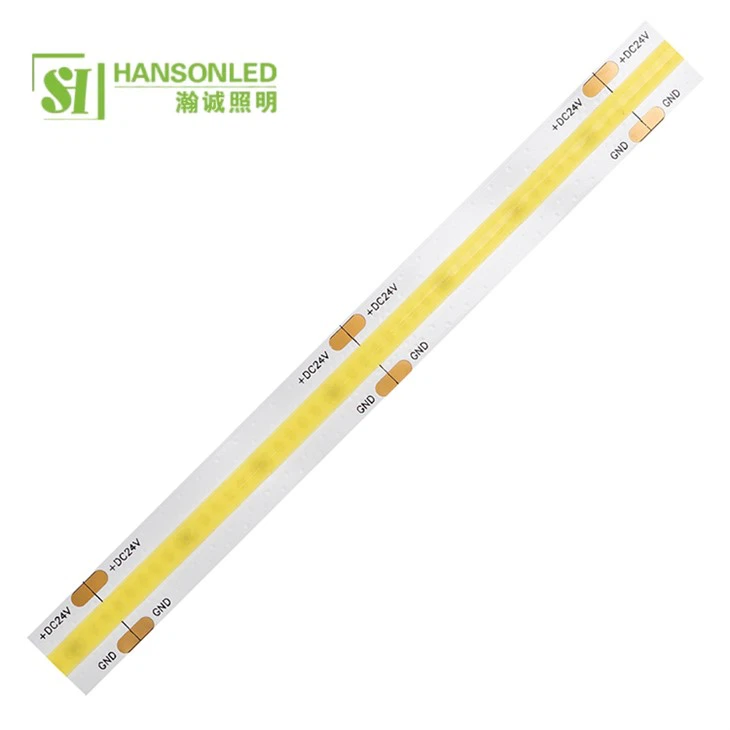
One of the most prominent disadvantages of COB LED strips is their relatively high initial cost. Unlike traditional LED strips, COB LED strips integrate multiple LED chips directly onto a single circuit board. This advanced manufacturing process requires more sophisticated technology and higher - quality materials, which drive up the production cost. For instance, a standard COB LED Strip 504 chips [/products/led-strip/cob-led-strip/cob-led-strip-white-color.html] often comes with a heftier price tag compared to a regular LED strip with the same length and basic functionality.
This high cost can be a deterrent for budget - conscious consumers or small - scale projects. When working on a tight budget, customers may find it difficult to justify the expense of COB LED strips, even though they offer better performance in the long run. For example, in a DIY home lighting project where cost is a major concern, the high upfront cost of COB LED strips might lead the homeowner to opt for a cheaper alternative.
2. Heat Dissipation Challenges
COB LED strips generate a significant amount of heat during operation. Since multiple LED chips are packed closely together on a single board, the heat concentration is much higher compared to traditional LED strips with more spaced - out chips. If not properly managed, this heat can have a detrimental impact on the performance and lifespan of the COB LED strips.
Excessive heat can cause the LED chips to degrade faster, leading to a reduction in brightness and color accuracy over time. It can also increase the risk of component failure, which may result in the entire strip malfunctioning. To address this issue, effective heat dissipation mechanisms such as heat sinks are often required. However, adding heat sinks adds to the overall cost and complexity of the installation. For a COB LED Tape [/products/led-strip/cob-led-strip/cob-led-tape.html], the need for proper heat management becomes even more crucial, especially in enclosed spaces where heat can build up quickly.
3. Limited Flexibility
Compared to traditional LED strips, COB LED strips have limited flexibility. The design of COB LED strips, with multiple chips mounted on a single board, restricts their ability to bend and curve. This lack of flexibility can be a problem in applications where the lighting needs to follow a complex or irregular shape.
For example, in decorative lighting applications such as creating custom - shaped lighting fixtures or wrapping lighting around curved objects, traditional LED strips are often a better choice because they can be easily bent and shaped to fit the desired form. In contrast, COB LED strips may not be suitable for such applications, limiting their versatility. Even a Free Cut COB Led Strip [/products/led-strip/cob-led-strip/free-cut-cob-led-strip.html], which offers some cutting flexibility, still has limitations when it comes to extreme bending.
4. Difficulty in Repair and Replacement
Repairing and replacing individual components on a COB LED strip is more challenging than on traditional LED strips. Since multiple LED chips are integrated onto a single board, if one chip fails, it can be difficult to isolate and replace just that one chip. In many cases, the entire COB module may need to be replaced, which can be costly and time - consuming.
This lack of repairability can be a significant drawback, especially in commercial or industrial settings where downtime needs to be minimized. For example, in a retail store where a COB LED strip is used for display lighting, a single chip failure could disrupt the lighting and affect the overall presentation. Replacing the entire module may require the store to close for a period, resulting in lost sales.
5. Color Consistency Issues
Achieving perfect color consistency across multiple COB LED strips can be a challenge. Due to the manufacturing process and variations in the LED chips, there may be slight differences in color output between different strips or even within the same strip. This can be a problem in applications where color accuracy and consistency are critical, such as in photography studios, art galleries, or high - end retail displays.
For example, in a photography studio, inconsistent color output from COB LED strips can affect the color balance of the photos, requiring additional post - processing to correct. In an art gallery, variations in color can distort the true appearance of the artworks, diminishing their aesthetic value. These color consistency issues can be frustrating for customers who expect a high - quality and uniform lighting solution.
6. Compatibility with Dimmers
COB LED strips may have compatibility issues with certain types of dimmers. Traditional dimmers are designed for incandescent or halogen bulbs, and they may not work well with the electronic drivers used in COB LED strips. When using an incompatible dimmer, the COB LED strips may flicker, produce a buzzing sound, or not dim smoothly.
This can be a major inconvenience for customers who want to control the brightness of their lighting. For example, in a home living room where a COB LED strip is used for ambient lighting, the inability to dim the lights properly can ruin the desired atmosphere. To overcome this issue, customers may need to invest in special LED - compatible dimmers, which can add to the overall cost of the lighting system.
Conclusion
Despite these disadvantages, COB LED strips still offer many benefits and are a popular choice for a wide range of lighting applications. At our company, we are constantly working to address these issues through research and development. We are exploring new manufacturing techniques to reduce the cost, improve heat dissipation, and enhance color consistency.
If you're considering using COB LED strips for your project, we encourage you to contact us for more information. Our team of experts can help you understand the specific requirements of your project and determine whether COB LED strips are the right choice for you. We can also provide guidance on installation, maintenance, and compatibility issues. Don't hesitate to reach out to us to discuss your lighting needs and explore the possibilities of using COB LED strips in your next project.
References
- "LED Lighting Handbook" by John Bennet
- "Advances in Solid - State Lighting Technology" by Michael Schubert
- Industry reports on LED lighting trends and technologies
