

Can high voltage LED strips be used in a high - humidity environment?
Fri 10,2025
Leave a message
Can high voltage LED strips be used in a high - humidity environment?
As a supplier of high - voltage LED strips, I often receive inquiries from customers about the suitability of our products in various environments, especially high - humidity ones. This blog post aims to delve into whether high voltage LED strips can be used in high - humidity conditions, analyzing both the technical aspects and practical considerations.
Understanding High Voltage LED Strips
Before we discuss their use in high - humidity environments, let's first understand what high voltage LED strips are. High voltage LED strips typically operate at voltages higher than the standard low - voltage options, usually 110V or 220V. They are favored for their long - distance power transmission capabilities, which make them suitable for large - scale lighting projects. For example, in commercial buildings or outdoor landscape lighting, high voltage LED strips can cover extensive areas without the need for numerous power adapters.
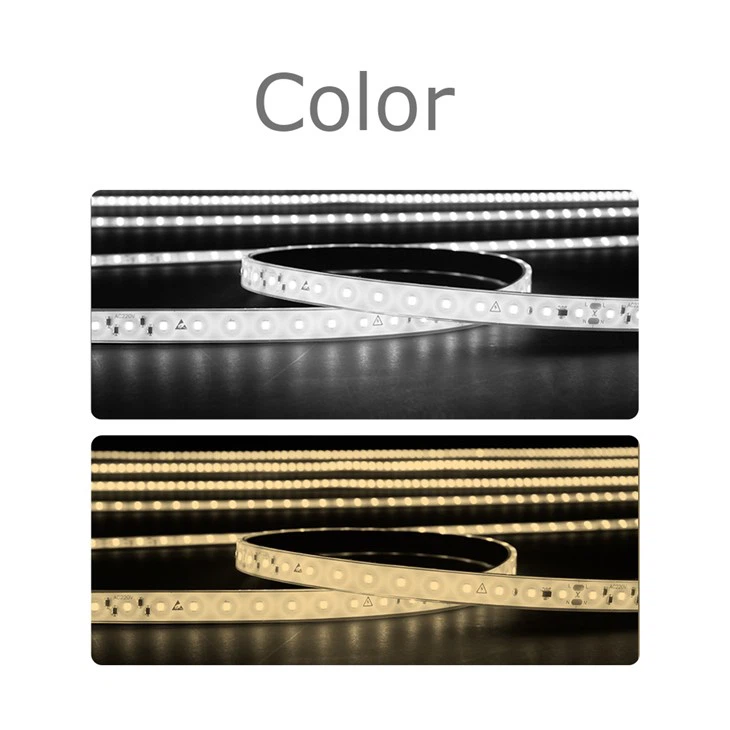
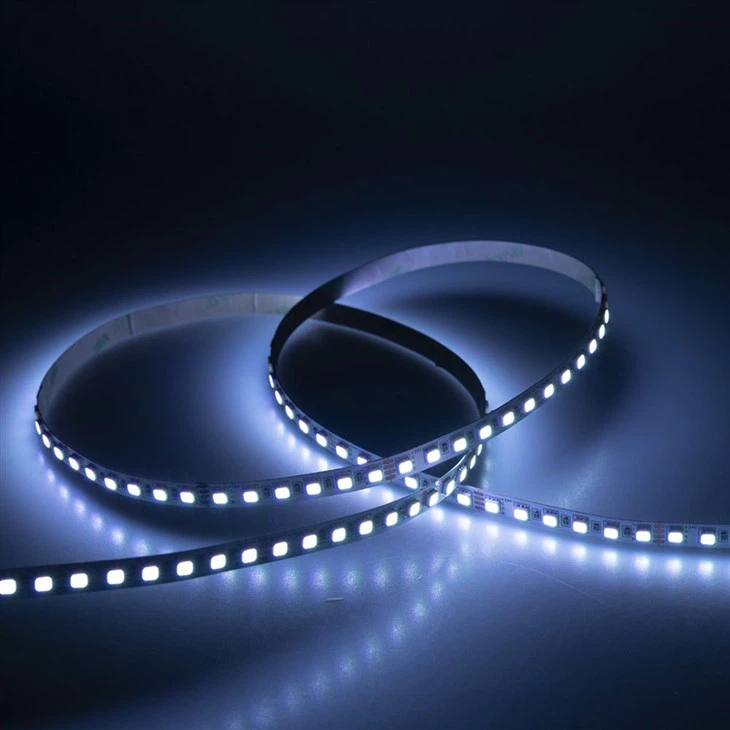
We offer two popular types of high voltage LED strips: High Voltage LED Strip 60 LED and High Voltage LED Strip 120 LED. The 60 - LED version provides a relatively softer and more diffused light, while the 120 - LED option offers a brighter and more intense illumination, catering to different lighting requirements.
Challenges of Using High Voltage LED Strips in High - Humidity Environments
High - humidity environments present several challenges for high voltage LED strips. One of the primary concerns is electrical safety. Water is a good conductor of electricity, and in a high - humidity setting, moisture can accumulate on the surface of the LED strips or seep into the internal components. This can lead to short - circuits, which not only damage the LED strips but also pose a significant safety risk, such as electrical shocks or even fires.
Another issue is corrosion. High humidity accelerates the corrosion process of metal parts in the LED strips, including the copper traces on the printed circuit board (PCB) and the connectors. Corrosion can disrupt the electrical connections, causing flickering lights, reduced brightness, or complete failure of the LED strips over time.
Protective Measures for High Voltage LED Strips in High - Humidity Environments
Despite the challenges, high voltage LED strips can still be used in high - humidity environments with appropriate protective measures. One of the most effective methods is encapsulation. Encapsulating the LED strips with a waterproof and moisture - resistant material, such as silicone or epoxy resin, can create a barrier between the internal components and the external moisture. This not only protects against short - circuits but also prevents corrosion.
Proper installation is also crucial. LED strips should be installed in a way that minimizes direct exposure to water. For example, they can be installed under eaves or in enclosed fixtures to reduce the impact of rain or high humidity. Additionally, using sealed connectors and junction boxes can further enhance the protection of the electrical connections.
Regular maintenance is another important aspect. Inspecting the LED strips periodically for signs of moisture ingress, corrosion, or damage can help detect problems early and take corrective actions. Cleaning the LED strips to remove any accumulated dirt or moisture can also extend their lifespan.
Case Studies
To illustrate the practical application of high voltage LED strips in high - humidity environments, let's look at some case studies. In a coastal hotel project, our high voltage LED strips were used for outdoor landscape lighting. The area is known for its high humidity and frequent salt - water spray. By using encapsulated LED strips and installing them in waterproof fixtures, the lighting system has been operating smoothly for several years without significant issues. The hotel management reported that the lighting not only enhanced the aesthetic appeal of the landscape but also provided reliable illumination.
In another case, a large - scale indoor swimming pool complex used our high voltage LED strips for underwater lighting. The high humidity and constant exposure to water in the pool area were potential challenges. However, by using specially designed waterproof LED strips and ensuring proper installation and grounding, the lighting system has maintained its performance and safety.
Technical Specifications and Testing
Our high voltage LED strips are designed and tested to meet strict quality and safety standards. In terms of waterproofing, our products are rated according to the Ingress Protection (IP) code. For high - humidity environments, we recommend LED strips with an IP rating of at least IP65, which means they are dust - tight and protected against low - pressure water jets from any direction.
We conduct a series of tests on our LED strips to ensure their performance in high - humidity conditions. These tests include humidity chamber testing, where the LED strips are exposed to high - humidity environments for extended periods to simulate real - world conditions. We also perform electrical safety tests to ensure that the products meet the relevant safety regulations.
Conclusion
In conclusion, high voltage LED strips can be used in high - humidity environments, but it requires careful consideration and appropriate protective measures. Encapsulation, proper installation, and regular maintenance are key to ensuring the safety and longevity of the LED strips in such conditions. Our High Voltage LED Strip 60 LED and High Voltage LED Strip 120 LED are designed to meet the challenges of high - humidity environments with their high - quality materials and advanced manufacturing processes.
If you are considering using high voltage LED strips in a high - humidity environment for your project, we encourage you to contact us for further discussion. Our team of experts can provide you with detailed information on product selection, installation guidelines, and maintenance tips. We are committed to providing you with the best lighting solutions that meet your specific needs.
References
- "LED Lighting Handbook", published by the Illuminating Engineering Society.
- Technical reports on LED strip performance in different environments from leading LED manufacturers.
- Industry standards and regulations related to electrical safety and waterproofing of LED products.
