

Can high voltage LED strips be used in a salt - air environment?
Thu 16,2025
Leave a message
Can high voltage LED strips be used in a salt - air environment?
As a supplier of high voltage LED strips, I often get asked about the suitability of our products in various environments. One question that comes up quite frequently is whether high voltage LED strips can be used in a salt - air environment. In this blog post, I'll delve into this topic, exploring the challenges presented by salt - air and the potential of high voltage LED strips to perform in such conditions.
Understanding the Salt - Air Environment
Salt - air environments, such as coastal areas, are characterized by the presence of salt particles in the air. These particles are carried by the wind from the ocean and can settle on surfaces. The salt itself is hygroscopic, meaning it attracts and retains moisture from the air. This combination of salt and moisture creates a highly corrosive environment.
Corrosion is a major concern in salt - air environments. When metal components are exposed to salt - laden air, a chemical reaction occurs that gradually eats away at the metal. This can lead to the degradation of electrical contacts, weakening of structural components, and ultimately, failure of the device. In addition to corrosion, the salt particles can also cause abrasion, which can damage the protective coatings of LED strips.
High Voltage LED Strips: An Overview
Before we discuss their performance in a salt - air environment, let's briefly understand what high voltage LED strips are. High voltage LED strips are designed to operate at higher voltages compared to their low - voltage counterparts. They offer several advantages, such as longer run lengths without significant voltage drop, which makes them suitable for large - scale lighting applications.
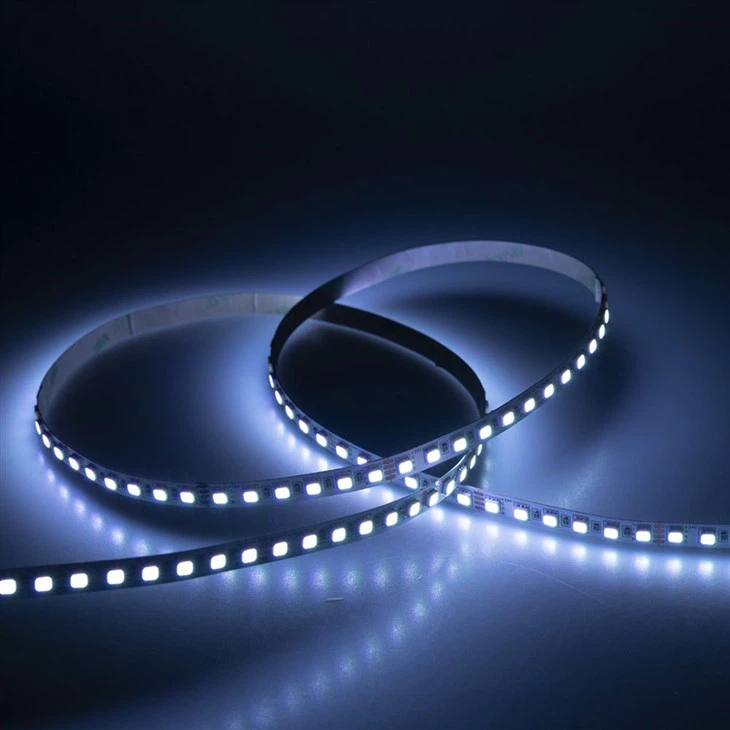
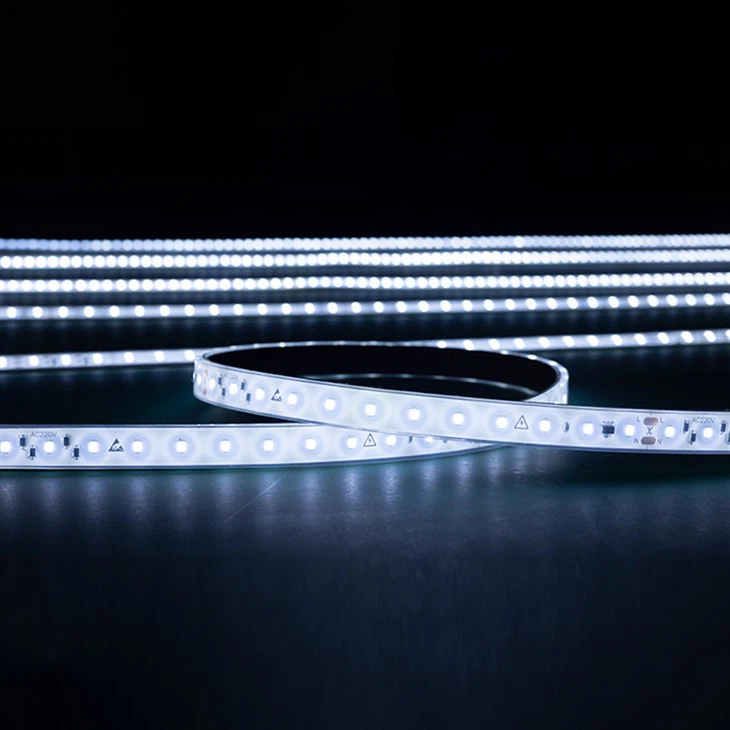
Our company offers a range of high voltage LED strips, including the High Voltage LED Strip 120 LED and the High Voltage LED Strip 72LED. These strips are known for their high brightness, energy efficiency, and durability. They are constructed with high - quality materials and advanced manufacturing techniques to ensure reliable performance.
Challenges for High Voltage LED Strips in Salt - Air
When it comes to using high voltage LED strips in a salt - air environment, there are several challenges. Firstly, the electrical components of the LED strips, such as the copper traces and solder joints, are vulnerable to corrosion. As the salt and moisture react with the metal, it can lead to increased resistance in the electrical circuit. This can cause the LED strips to dim, flicker, or even stop working altogether.
Secondly, the plastic housing of the LED strips may also be affected. Salt particles can scratch the surface of the plastic, allowing moisture to penetrate. Over time, this can lead to the growth of mold and mildew, which not only affects the appearance of the LED strips but also their performance.
Another challenge is the heat dissipation. High voltage LED strips generate heat during operation, and in a salt - air environment, the presence of salt and moisture can interfere with the heat dissipation process. This can cause the LED chips to overheat, reducing their lifespan and efficiency.
Mitigating the Risks
Despite the challenges, it is possible to use high voltage LED strips in a salt - air environment with proper precautions. One of the most effective ways is to choose LED strips with a high level of protection. Look for LED strips that are rated for outdoor use and have an IP (Ingress Protection) rating. The IP rating indicates the degree of protection against solid objects and liquids. For a salt - air environment, an IP65 or higher rating is recommended. This means that the LED strips are dust - tight and protected against water jets from any direction.
We also recommend using a protective coating on the LED strips. A clear, waterproof coating can provide an additional layer of protection against salt and moisture. This coating can be applied during the manufacturing process or as a post - installation treatment.
Regular maintenance is also crucial. Inspect the LED strips periodically for signs of corrosion, damage, or dirt. Clean the LED strips with a mild detergent and water to remove any salt deposits. Make sure to dry the strips thoroughly before turning them on again.
Case Studies and Real - World Examples
There have been several successful installations of high voltage LED strips in salt - air environments. For example, a coastal resort used our High Voltage LED Strip 120 LED to illuminate its outdoor walkways. By following the recommended protection and maintenance procedures, the LED strips have been operating reliably for several years. The high brightness of the LED strips has enhanced the safety and aesthetics of the resort, while the energy efficiency has helped to reduce the operating costs.
Another example is a beachfront restaurant that installed our High Voltage LED Strip 72LED for its outdoor patio lighting. The LED strips were coated with a waterproof sealant and installed in a well - ventilated area. Despite being exposed to the salt - air environment, the LED strips have maintained their performance and have become a popular feature of the restaurant's outdoor dining experience.
Conclusion
In conclusion, high voltage LED strips can be used in a salt - air environment, but it requires careful consideration and proper precautions. The corrosive nature of salt and moisture poses significant challenges, but with the right protection measures, such as choosing LED strips with a high IP rating, applying protective coatings, and performing regular maintenance, the risks can be mitigated.
If you are considering using high voltage LED strips in a salt - air environment for your project, I encourage you to contact us. Our team of experts can provide you with detailed information about our products, offer advice on the best protection and installation methods, and help you make an informed decision. We are committed to providing high - quality LED lighting solutions that meet your specific needs. Whether you are a contractor, an architect, or a homeowner, we are here to assist you in achieving the perfect lighting for your space.
References
- "Corrosion in Coastal Environments: Causes and Prevention" - Journal of Environmental Science and Technology
- "LED Lighting in Harsh Environments: Challenges and Solutions" - Lighting Research and Technology
- "IP Rating Guide for LED Lighting Products" - International Electrotechnical Commission
