

How to choose the right RGB LED module for a project?
Fri 14,2025
Leave a message
Hey there, fellow DIY enthusiasts and lighting project lovers! I'm an RGB LED module supplier, and I know how overwhelming it can be to choose the right RGB LED module for your project. But don't worry, I'm here to break it down for you and make the selection process a whole lot easier.
First things first, let's talk about what RGB LED modules are. RGB stands for Red, Green, and Blue, and these modules use these three primary colors to create a wide range of colors. By mixing different intensities of red, green, and blue light, you can get almost any color you can imagine. They're super versatile and are used in all sorts of projects, from home decor to stage lighting and even in automotive applications.
Consider Your Project Requirements
The very first step in choosing the right RGB LED module is to think about your project requirements. What exactly are you trying to achieve? Are you looking to add some ambient lighting to your living room, create a cool lighting effect for a stage performance, or perhaps build a custom gaming setup?
If it's for home decor, you might want a module that's easy to install and has a soft, diffused light. On the other hand, if you're working on a stage lighting project, you'll need a module that can produce bright, intense colors and has fast color-changing capabilities.
Color Accuracy and Range
One of the most important factors to consider is the color accuracy and range of the RGB LED module. You want a module that can produce vibrant, true-to-life colors. Some modules may have a limited color range or may not be able to produce the exact shade you're looking for.
When checking the color accuracy, look for modules that have a high Color Rendering Index (CRI). A CRI of 90 or above is considered excellent and means that the module can reproduce colors very accurately. Also, check the datasheet to see the range of colors the module can produce. Some modules can create millions of colors, while others may have a more limited palette.
Brightness and Intensity
The brightness and intensity of the RGB LED module are also crucial, depending on your project. If you're using the module in a large space or for a high-visibility application, you'll need a module with high brightness.
Brightness is usually measured in lumens. The higher the lumen value, the brighter the light. However, keep in mind that high brightness may also mean higher power consumption. So, you'll need to find a balance between brightness and power usage.
Power Consumption
Speaking of power consumption, it's an important consideration, especially if you're using multiple RGB LED modules or if your project has limited power resources. Some modules are more energy-efficient than others, and choosing an energy-efficient module can save you money in the long run.
Look for modules that have a low wattage rating. Also, consider the type of power supply the module requires. Some modules can be powered by a standard USB port, while others may need a dedicated power adapter.
Control Options
Another key factor is the control options available for the RGB LED module. There are several ways to control RGB LED modules, including remote controls, smartphone apps, and microcontrollers.
If you want to have easy and convenient control over your lighting, a module that can be controlled via a smartphone app is a great choice. You can adjust the color, brightness, and even create custom lighting effects right from your phone. On the other hand, if you're a more advanced user and want to have more precise control, using a microcontroller like an Arduino or Raspberry Pi may be the way to go.
Size and Form Factor
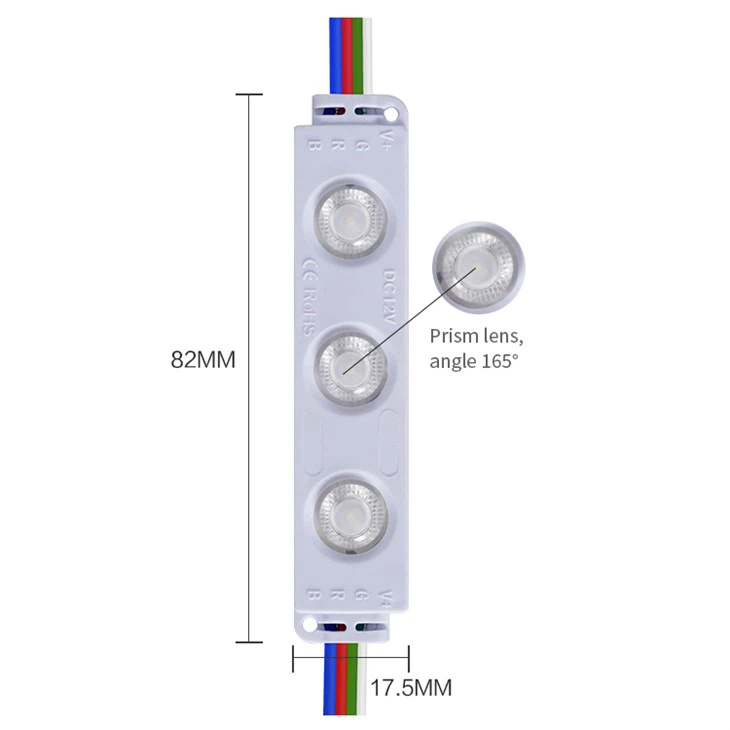
The size and form factor of the RGB LED module are important, especially if you have limited space in your project. Some modules are small and compact, making them ideal for projects where space is at a premium. Others may be larger and more suitable for larger-scale projects.
Also, consider the shape of the module. Some modules come in strips, which are flexible and can be bent and shaped to fit your needs. Others may be in the form of panels or bulbs.
Heat Dissipation
RGB LED modules can generate heat, especially when they're running at high brightness or for long periods of time. Proper heat dissipation is essential to ensure the longevity and performance of the module.
Look for modules that have built-in heat sinks or that are designed to dissipate heat effectively. If you're using the module in an enclosed space, you may also need to add additional cooling mechanisms, such as fans.
Our Product Range
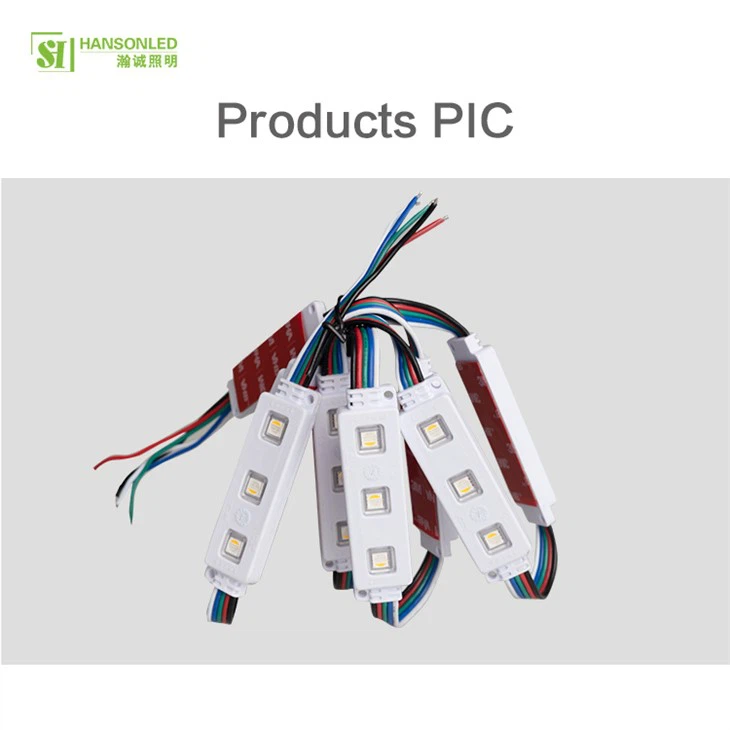
As an RGB LED module supplier, we offer a wide range of products to meet different project needs. We have the RGBW LED Module, which includes an additional white LED for even more color options and better color mixing. The Led RGB Module is a classic choice, offering a great balance of color accuracy, brightness, and affordability. And for those who need a more powerful option, we have the RGB 3 LED Module, which can produce extremely bright and intense colors.
Conclusion
Choosing the right RGB LED module for your project may seem like a daunting task, but by considering the factors we've discussed, you can make an informed decision. Remember to think about your project requirements, color accuracy, brightness, power consumption, control options, size, heat dissipation, and more.
If you're still not sure which RGB LED module is right for you, don't hesitate to reach out to us. We're here to help you find the perfect solution for your project. Whether you're a hobbyist or a professional, we can provide you with the guidance and support you need. Contact us today to start discussing your project and explore our range of RGB LED modules.
References
- "LED Lighting Handbook" by John C. Linvill
- Various RGB LED module datasheets from manufacturers
