

How to control multiple LED light bars simultaneously?
Tue 18,2025
Leave a message
As an LED Light Bar supplier, I've encountered numerous inquiries from customers about how to control multiple LED light bars simultaneously. This is a critical aspect, especially for large - scale lighting projects such as commercial displays, stage setups, and architectural lighting. In this blog, I'll share some effective methods to achieve this goal.
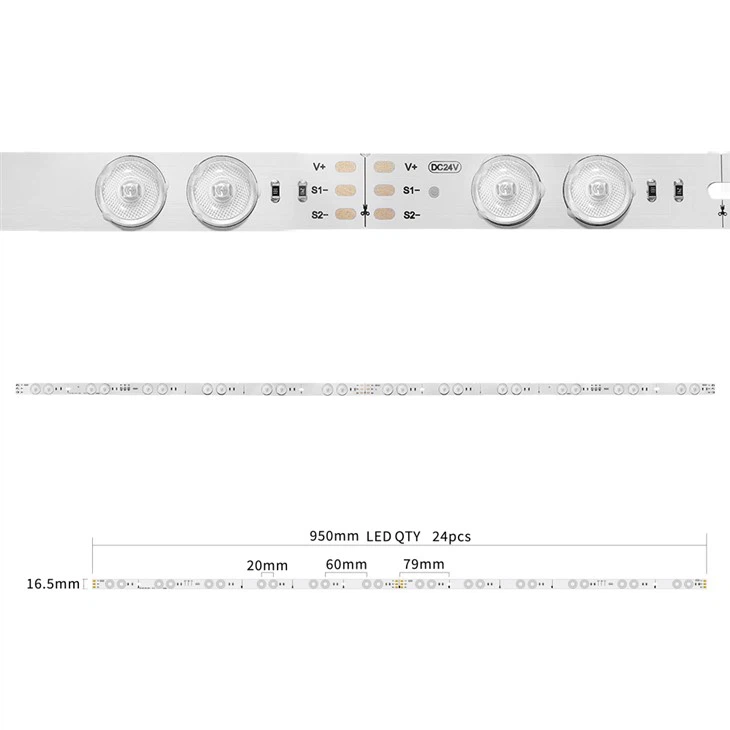
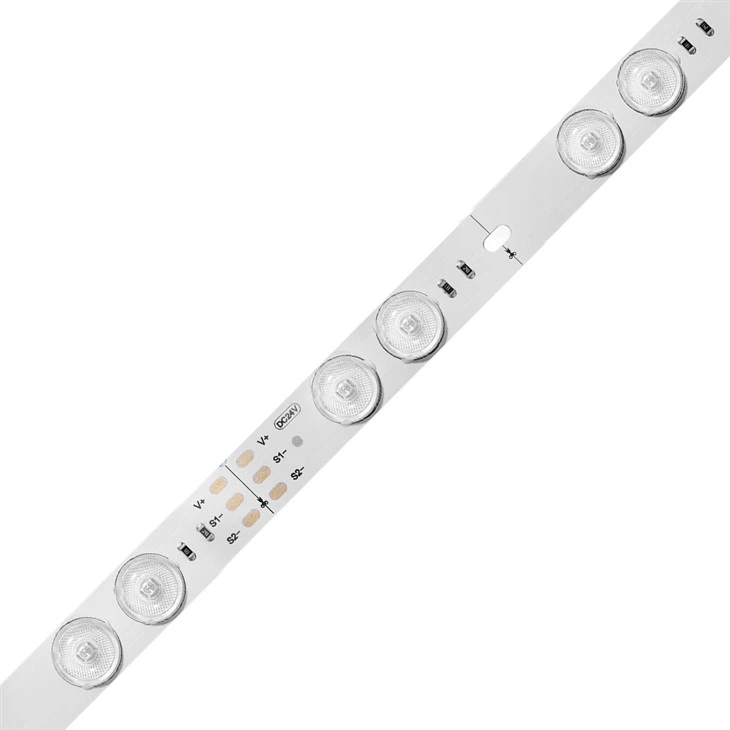
Understanding the Basics of LED Light Bar Control
Before diving into the control methods, it's essential to understand the basic types of LED light bars we offer. Our LED Light Bar comes in various forms, including the LED Lens Bar Light and CCT LED Lens Bar, Dual Color Led Lens Bar, color Changeable Lens Bar. Each type has its own characteristics and control requirements.
1. Using a Centralized Controller
One of the most straightforward ways to control multiple LED light bars simultaneously is by using a centralized controller. A centralized controller acts as the brain of the lighting system, sending out signals to all connected light bars.
- Wired Centralized Controllers: These controllers are connected to the LED light bars via cables. The advantage of wired connections is their stability and reliability. They are less prone to interference compared to wireless connections. For example, in a large - scale museum lighting project, a wired centralized controller can ensure that all the LED light bars used for highlighting exhibits are synchronized perfectly. The controller can be programmed to adjust the brightness, color, and lighting effects of all the light bars at once.
- Wireless Centralized Controllers: Wireless controllers offer more flexibility in terms of installation. They use technologies such as Wi - Fi, Bluetooth, or ZigBee to communicate with the LED light bars. This is particularly useful in situations where running cables is difficult or not feasible, such as in historical buildings or outdoor installations. With a wireless centralized controller, you can control multiple LED light bars from a distance using a smartphone app or a dedicated remote control.
2. Daisy - Chaining LED Light Bars
Daisy - chaining is another effective method for controlling multiple LED light bars. In a daisy - chain setup, the output of one LED light bar is connected to the input of the next light bar. This creates a continuous chain of light bars that can be controlled as a single unit.
- Advantages of Daisy - Chaining: Daisy - chaining simplifies the wiring process. Instead of connecting each light bar directly to the controller, you only need to connect the first light bar in the chain to the controller. The signal then passes through each light bar in the chain, ensuring that they all receive the same control instructions. This method is cost - effective and easy to install, making it a popular choice for small - to - medium - sized lighting projects.
- Limitations of Daisy - Chaining: However, there are some limitations to daisy - chaining. The length of the chain is limited by the power and signal strength. If the chain is too long, the signal may weaken, resulting in inconsistent lighting effects. It's important to follow the manufacturer's guidelines when daisy - chaining LED light bars to ensure optimal performance.
3. Using a DMX System
The Digital Multiplex (DMX) system is a professional - grade solution for controlling multiple LED light bars simultaneously. DMX is a standard protocol used in the entertainment and lighting industries.
- How DMX Works: A DMX system consists of a DMX controller, DMX cables, and DMX - compatible LED light bars. The DMX controller sends out digital signals to the light bars via the DMX cables. Each light bar is assigned a unique address on the DMX network, allowing for precise control of individual light bars or groups of light bars.
- Benefits of DMX: The main advantage of a DMX system is its high level of control and flexibility. It can support a large number of light bars and can create complex lighting effects. For example, in a stage lighting setup, a DMX system can be used to create dynamic lighting shows with different colors, intensities, and patterns.
4. Programming and Automation
Once you have chosen a control method, programming and automation can further enhance the functionality of your LED lighting system.
- Programming the Controller: Most centralized controllers, whether wired or wireless, come with programming capabilities. You can program the controller to create different lighting scenes, such as a bright white light for a daytime setting and a warm, dim light for an evening atmosphere. You can also set up timers and schedules to automate the lighting system. For example, in an office building, the LED light bars can be programmed to turn on at a certain time in the morning and turn off at night.
- Integration with Smart Home Systems: In addition to standalone programming, many LED light bars can be integrated with smart home systems such as Amazon Alexa or Google Home. This allows you to control the lighting system using voice commands. For instance, you can say "Turn on the office lights" or "Set the living room lights to a relaxing color" and the smart home system will send the appropriate commands to the LED light bars.
5. Considerations for System Design
When planning to control multiple LED light bars simultaneously, there are several factors to consider in the system design.
- Power Supply: Ensure that the power supply is sufficient to meet the energy requirements of all the connected LED light bars. Overloading the power supply can lead to overheating and damage to the light bars. It's important to calculate the total power consumption of the light bars and choose a power supply with an appropriate capacity.
- Signal Interference: In a multi - light - bar system, signal interference can be a problem, especially in wireless setups. To minimize interference, keep the wireless devices away from other electronic devices that may emit electromagnetic waves. You can also use signal boosters or repeaters if necessary.
- Scalability: Consider the future expansion of the lighting system. Choose a control method and components that are scalable, so you can easily add more LED light bars to the system if needed.
Conclusion
Controlling multiple LED light bars simultaneously is achievable through various methods, each with its own advantages and limitations. Whether you choose a centralized controller, daisy - chaining, a DMX system, or a combination of these methods, the key is to select the solution that best suits your specific needs and requirements.
As an LED Light Bar supplier, we are committed to providing high - quality products and professional technical support. Our LED Light Bar, LED Lens Bar Light, and CCT LED Lens Bar, Dual Color Led Lens Bar, color Changeable Lens Bar are designed to work seamlessly with different control systems. If you are interested in our products or need more information on how to control multiple LED light bars, please feel free to contact us for procurement and further discussions.
References
- "LED Lighting Handbook" by some well - known lighting experts.
- Industry whitepapers on LED lighting control systems.
