

What is the difference between 2835 LED Strip 120 LED and incandescent LED strip?
Mon 24,2025
Leave a message
As a supplier of 2835 LED Strip 120 LED, I've encountered numerous inquiries about the differences between our product and incandescent LED strips. This blog post aims to shed light on these disparities, highlighting the advantages of our 2835 LED Strip 120 LED and guiding you through making an informed choice for your lighting needs.
1. Energy Efficiency
One of the most significant differences between 2835 LED Strip 120 LED and incandescent LED strips lies in energy efficiency. Incandescent bulbs produce light by heating a filament until it glows. This process is incredibly inefficient, as a large portion of the energy consumed is wasted as heat rather than light. In fact, traditional incandescent bulbs convert only about 10% of the energy they use into visible light, with the remaining 90% dissipated as heat.
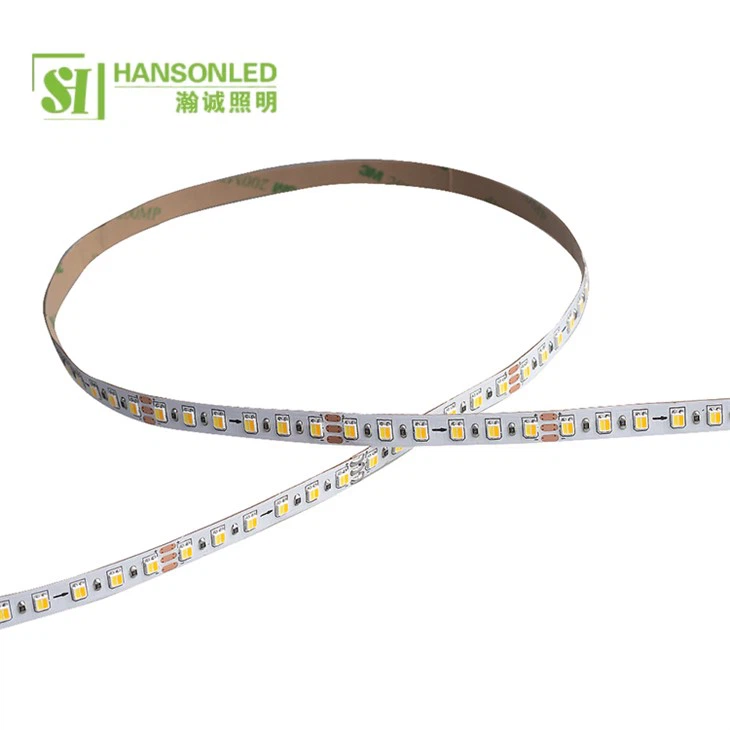
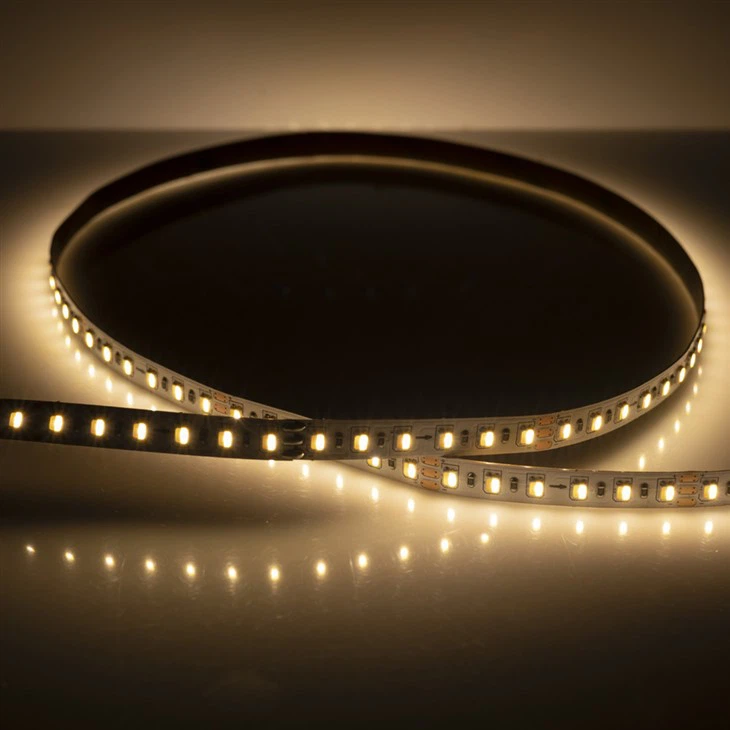
On the other hand, 2835 LED Strip 120 LED is a highly energy - efficient lighting solution. LEDs (Light - Emitting Diodes) work by passing an electric current through a semiconductor material, which emits light. This process is much more efficient, with 2835 LED Strip 120 LED converting up to 80 - 90% of the energy into light. As a result, they consume significantly less power than incandescent LED strips to produce the same amount of light. For instance, to achieve a certain level of illumination, a 2835 LED Strip 120 LED might use only 10 - 20 watts, while an incandescent LED strip could require 60 - 100 watts. This not only reduces your electricity bills but also contributes to a more sustainable environment. If you are interested in our energy - efficient 2835 LED Strip 120 LED, we can provide you with detailed product information.
2. Lifespan
The lifespan of a lighting product is another crucial factor to consider. Incandescent LED strips have a relatively short lifespan. Due to the high heat generated during operation, the filament in an incandescent bulb gradually deteriorates over time. On average, an incandescent LED strip may last for about 1,000 - 2,000 hours of use. This means that you will need to replace them frequently, which can be inconvenient and costly in the long run.
In contrast, 2835 LED Strip 120 LED has an impressively long lifespan. LEDs are solid - state devices, which are more durable and less prone to damage compared to the fragile filaments in incandescent bulbs. A 2835 LED Strip 120 LED can last up to 50,000 - 60,000 hours or even more. This extended lifespan reduces the frequency of replacements, saving you both time and money on maintenance and new purchases. With our 2835 LED Strip 120 LED, you can enjoy long - term, reliable lighting without the hassle of frequent bulb changes.
3. Light Quality
Light quality encompasses several aspects, including color temperature, color rendering index (CRI), and light distribution.
Color Temperature
Incandescent LED strips typically emit warm - white light with a color temperature in the range of 2700K - 3000K. This warm light creates a cozy and inviting atmosphere, which is suitable for some residential settings. However, the color temperature of incandescent bulbs is fixed and cannot be easily adjusted.
2835 LED Strip 120 LED offers a wide range of color temperatures. You can choose from warm white (similar to incandescent, around 2700K - 3000K) for a cozy feel, cool white (around 5000K - 6500K) for a bright and energetic environment, or daylight white (around 6500K - 7500K) for a natural - looking light. Some of our Dual White 2835 LED Strip products even allow you to switch between different color temperatures, providing greater flexibility in lighting design.
Color Rendering Index (CRI)
The CRI measures how accurately a light source can reproduce the true colors of objects compared to natural sunlight. Incandescent LED strips usually have a high CRI of around 95 - 100, which means they can render colors very accurately.
2835 LED Strip 120 LED can also achieve high CRI values. Many of our 2835 LED strips have a CRI of 90 or above, which is sufficient for most applications, including commercial and residential lighting. This ensures that the colors of your interior decor, products (in a commercial setting), or artwork are displayed as vividly as possible.
Light Distribution
Incandescent LED strips emit light in all directions, which can lead to light wastage in some cases. For example, if you are using an incandescent LED strip for task lighting, a significant amount of light may be directed upwards or sideways instead of onto the task area.
2835 LED Strip 120 LED can be designed to have a more focused light distribution. The LEDs can be arranged in a way that directs the light precisely where it is needed, improving the efficiency of the lighting system. This is particularly useful for applications such as under - cabinet lighting or display lighting.
4. Heat Generation
As mentioned earlier, incandescent LED strips generate a large amount of heat during operation. This heat can be a safety hazard, especially if the LED strip is installed in close proximity to flammable materials. It can also cause discomfort in a small, enclosed space.
2835 LED Strip 120 LED generates very little heat. Since LEDs are more energy - efficient and convert most of the energy into light rather than heat, they operate at a much lower temperature. This makes them safer to use and reduces the risk of heat - related damage to surrounding objects. Additionally, the low heat output means that the LED strip is more suitable for use in heat - sensitive environments, such as in display cases for delicate items.
5. Cost
When it comes to the initial cost, incandescent LED strips are generally cheaper than 2835 LED Strip 120 LED. Incandescent bulbs are a well - established technology, and the manufacturing process is relatively simple, which keeps the cost down.
However, when considering the long - term cost, 2835 LED Strip 120 LED is a more cost - effective option. The energy savings and longer lifespan of 2835 LED Strip 120 LED offset the higher initial purchase price. Over time, you will spend less on electricity bills and replacement bulbs, making it a more economical choice in the long run.
6. Environmental Impact
Incandescent LED strips are not environmentally friendly. Their low energy efficiency means they consume more electricity, which often comes from non - renewable energy sources such as coal - fired power plants. Additionally, the short lifespan of incandescent bulbs results in more waste being generated due to frequent replacements.
2835 LED Strip 120 LED is a more sustainable lighting option. Its high energy efficiency reduces the demand for electricity, which in turn decreases greenhouse gas emissions. The long lifespan also means less waste is sent to landfills. Moreover, LEDs do not contain harmful substances such as mercury, which is present in some other types of lighting, like fluorescent bulbs.
Conclusion
In conclusion, 2835 LED Strip 120 LED offers numerous advantages over incandescent LED strips in terms of energy efficiency, lifespan, light quality, heat generation, cost - effectiveness, and environmental impact. If you are looking for a reliable, high - performance lighting solution for your residential, commercial, or industrial project, our 2835 LED Strip 120 LED is an excellent choice.
We also offer a variety of other LED strip products, such as 5mm LED Strip Light, to meet different customer needs. If you are interested in our products or have any questions about LED lighting, please feel free to contact us for procurement and further discussions. We are committed to providing you with the best lighting solutions and excellent customer service.
References
- "LED Lighting Basics" by the U.S. Department of Energy
- "Lighting Handbook: Reference and Application" by the Illuminating Engineering Society of North America
