

Are there any compatibility issues when using an RGB LED module with different microcontrollers?
Tue 06,2026
Leave a message
Are there any compatibility issues when using an RGB LED module with different microcontrollers?
In the dynamic world of electronics and lighting technology, RGB LED modules have emerged as a popular choice for a wide range of applications, from decorative lighting to advanced automation systems. As a leading RGB LED module supplier, I often encounter questions from customers regarding compatibility issues when using these modules with different microcontrollers. In this blog post, I will delve into this topic and provide insights to help you navigate potential compatibility challenges.
Understanding RGB LED Modules
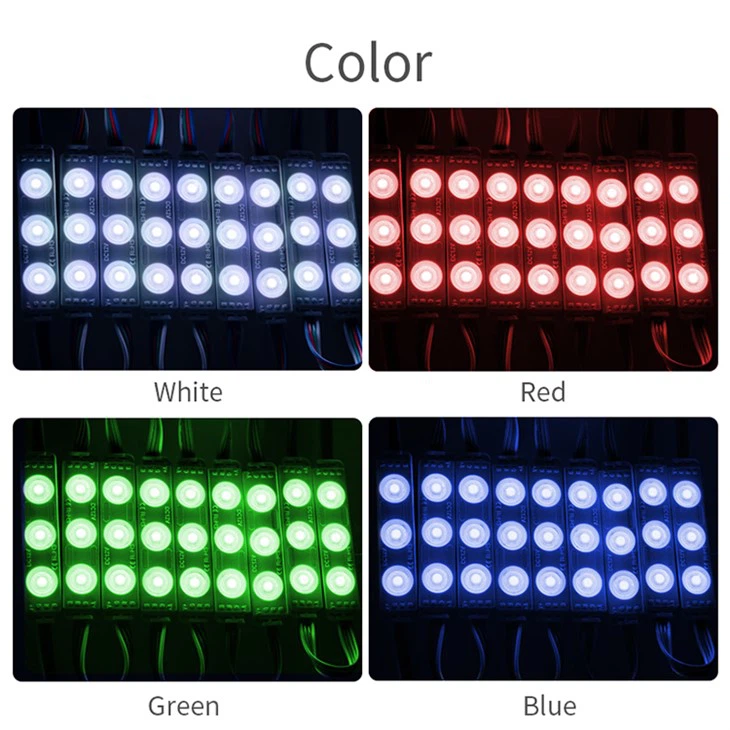
Before we discuss compatibility, let's briefly understand what RGB LED modules are. RGB LED modules consist of three primary color LEDs - red, green, and blue. By varying the intensity of each color, these modules can produce a wide spectrum of colors. This flexibility makes them ideal for applications where color control is essential, such as stage lighting, mood lighting, and even in some scientific and industrial applications.
We offer a variety of RGB LED modules, including the Led RGB Module, RGBW LED Module, and RGB 3 LED Module. Each module is designed to meet different requirements and applications, offering unique features and capabilities.
Compatibility Factors
When it comes to using an RGB LED module with a microcontroller, several factors need to be considered to ensure compatibility. These factors include electrical characteristics, communication protocols, and software requirements.
Electrical Characteristics
The first and most crucial aspect of compatibility is the electrical characteristics of the RGB LED module and the microcontroller. RGB LED modules typically require a specific voltage and current to operate correctly. If the voltage or current supplied by the microcontroller is not within the module's specified range, it can lead to issues such as dim or flickering lights, or even damage to the module.
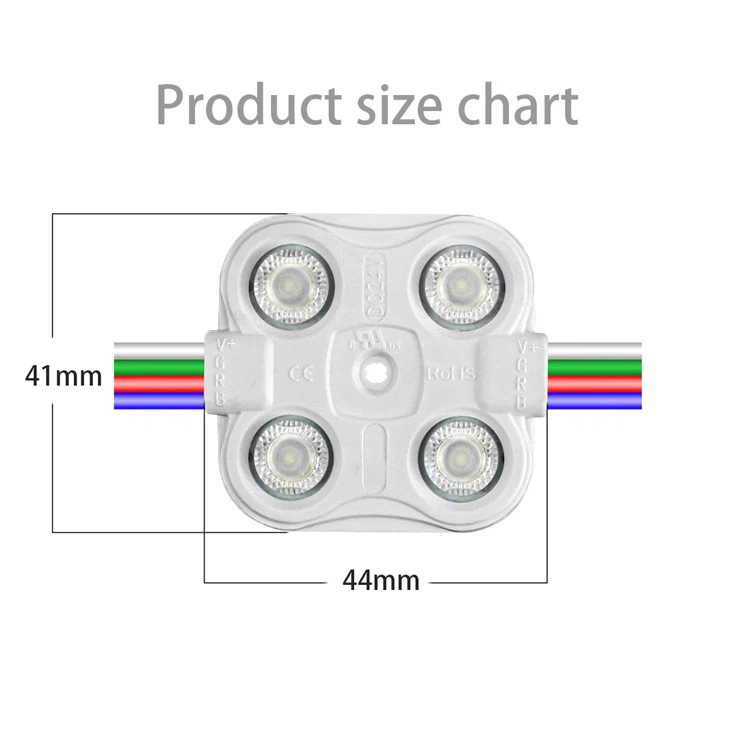
For example, some RGB LED modules operate at 5V, while others may require 12V or 24V. It is essential to check the datasheet of both the module and the microcontroller to ensure that the power supply requirements are compatible. Additionally, the microcontroller should be able to provide enough current to drive the RGB LED module. If the current is insufficient, the LEDs may not reach their full brightness.
Communication Protocols
Another important factor is the communication protocol used to control the RGB LED module. Different microcontrollers support various communication protocols, such as Pulse Width Modulation (PWM), Serial Peripheral Interface (SPI), and Inter-Integrated Circuit (I2C). The RGB LED module must be compatible with the communication protocol supported by the microcontroller.
PWM is a common method used to control the brightness of RGB LEDs. By varying the duty cycle of the PWM signal, the intensity of each color can be adjusted. Many microcontrollers support PWM output, making it a popular choice for controlling RGB LED modules. However, some advanced RGB LED modules may require more complex communication protocols, such as SPI or I2C, to achieve advanced color control and synchronization.
Software Requirements
In addition to electrical characteristics and communication protocols, software compatibility is also crucial. The microcontroller needs to have the appropriate firmware or programming code to communicate with the RGB LED module effectively. This code should be able to generate the necessary control signals based on the selected communication protocol.
For example, if you are using a microcontroller with PWM output to control an RGB LED module, the programming code should be able to adjust the duty cycle of the PWM signals for each color channel. Some microcontrollers come with built-in libraries or functions that simplify the process of controlling RGB LEDs. However, for more complex applications, you may need to write custom code.
Common Compatibility Issues and Solutions
Now that we have discussed the compatibility factors, let's look at some common compatibility issues that users may encounter and their solutions.
Voltage Mismatch
As mentioned earlier, voltage mismatch is a common issue when using an RGB LED module with a microcontroller. If the voltage supplied by the microcontroller is too low, the LEDs may not light up or may appear dim. On the other hand, if the voltage is too high, it can damage the LEDs.
To solve this problem, you can use a voltage regulator to adjust the voltage to the appropriate level. Voltage regulators are available in various types, such as linear regulators and switching regulators. Choose a regulator that can provide the required voltage and current for your RGB LED module.
Communication Protocol Incompatibility
If the communication protocol supported by the microcontroller is not compatible with the RGB LED module, you may experience issues such as incorrect color output or no response from the module.
To address this issue, you can either choose a microcontroller that supports the communication protocol required by the RGB LED module or use a protocol converter. Protocol converters can translate the signals from one communication protocol to another, allowing the microcontroller and the RGB LED module to communicate effectively.
Software Errors
Software errors can also lead to compatibility issues. If the programming code is not written correctly, it may not generate the appropriate control signals for the RGB LED module.
To avoid software errors, it is important to use reliable programming tools and follow the programming guidelines provided by the microcontroller manufacturer. You can also refer to online resources, forums, and tutorials for help with programming your microcontroller to control the RGB LED module.
Conclusion
In conclusion, while there can be compatibility issues when using an RGB LED module with different microcontrollers, these issues can be overcome by carefully considering the electrical characteristics, communication protocols, and software requirements. As an RGB LED module supplier, we understand the importance of compatibility and are committed to providing high-quality products and technical support to help you achieve seamless integration.
If you are planning to use an RGB LED module in your project and need assistance with compatibility or have any other questions, please feel free to contact us for a detailed discussion. Our team of experts is always ready to help you find the right solution for your specific needs.
References
- "RGB LED Lighting Control" by Lighting Research Center
- "Microcontroller Basics" by Texas Instruments
- "Electronics Engineering Handbook" by CRC Press
