

What is the frequency range of the 2835 LED Strip 240 LED?
Thu 22,2025
Leave a message
Hey there! As a supplier of the 2835 LED Strip 240 LED, I often get asked about the frequency range of these nifty little light strips. So, I thought I'd sit down and write this blog to share all the info I've got on this topic.
First off, let's understand what frequency means in the context of LED strips. Frequency refers to the number of times an electrical signal alternates or cycles per second. It's measured in Hertz (Hz). For LED strips, the frequency can have a big impact on how the lights look and perform.
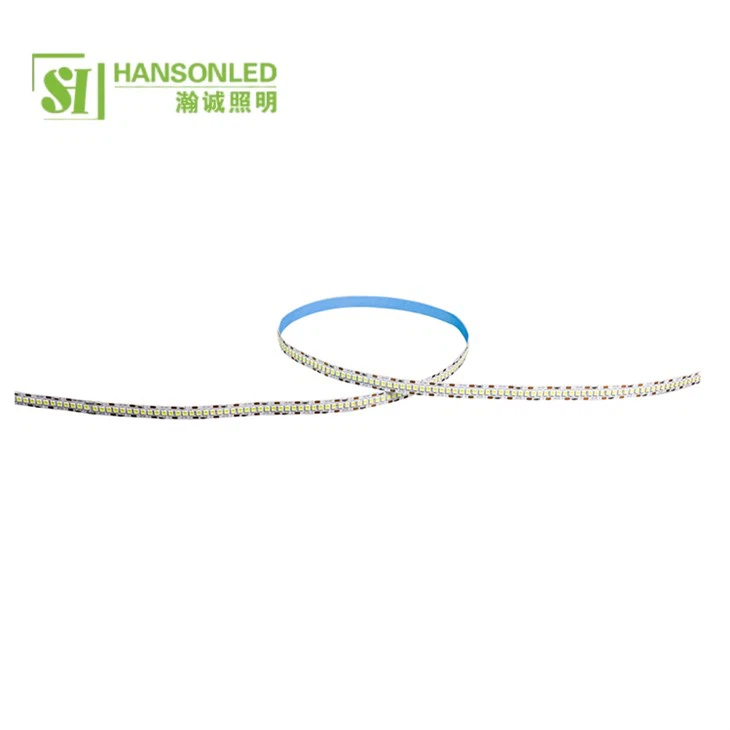
Now, the 2835 LED Strip 240 LED is a high - density LED strip with 240 LEDs per meter. These strips are known for their bright and uniform lighting. But what about their frequency range? Well, the typical frequency range for these 2835 LED strips is around 50Hz - 60Hz. This is the standard frequency range in most electrical systems around the world.
In regions where the mains power frequency is 50Hz, like in Europe, Asia, and Africa, the 2835 LED Strip 240 LED can operate smoothly within this frequency. Similarly, in areas with a 60Hz power frequency, such as North America, these LED strips work just fine too.
The reason why this frequency range is important is that it affects the flicker of the LEDs. Flicker is the rapid and repeated change in the brightness of the light. At frequencies below the human eye's perception threshold (usually around 50 - 60Hz), we can start to notice this flicker, which can be quite annoying and even cause headaches or eye strain over time. But with the 2835 LED Strip 240 LED operating within the 50 - 60Hz range, the flicker is minimized, providing a more comfortable and stable lighting experience.
Another aspect to consider is the power supply. To ensure that the 2835 LED Strip 240 LED operates within the correct frequency range, you need to use a compatible power supply. A good quality power supply will convert the incoming mains power to the appropriate voltage and frequency for the LED strip. If you use an incompatible power supply, it can lead to issues like flickering, uneven lighting, or even damage to the LEDs.
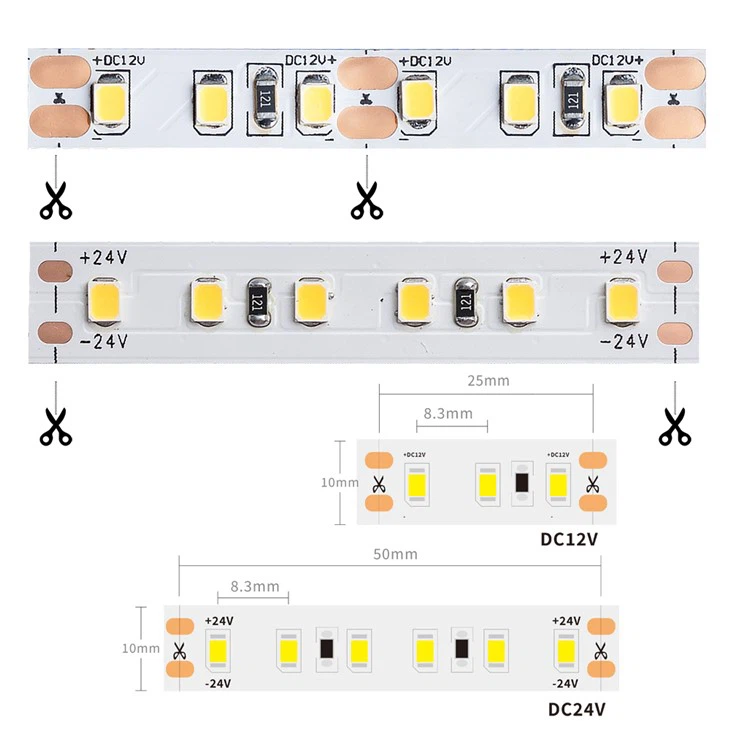
Now, let's talk about how these 2835 LED strips compare to other types of LED strips. Take the 2835 LED Strip 120 LED for example. The 120 LED version has a lower density of LEDs per meter compared to the 240 LED version. While the frequency range for both is generally similar, the 240 LED strip may require a more powerful power supply due to the higher number of LEDs.
Then there's the 5mm LED Strip Light. These are a different type of LED strip with a larger LED size. The frequency range for 5mm LED strips can also be around 50 - 60Hz, but their performance characteristics can vary. The 2835 LED Strip 240 LED is often preferred for its higher brightness and more uniform lighting distribution.
The 2835 LED Strip 240 LED is a great choice for a wide range of lighting applications. Whether you're looking to light up a commercial space, a residential room, or even a DIY project, these LED strips can provide the bright and stable lighting you need. And with their frequency range of 50 - 60Hz, you can be sure that you'll get a flicker - free lighting experience.
If you're interested in purchasing the 2835 LED Strip 240 LED, I'd love to have a chat with you. We can discuss your specific requirements, such as the length of the strip, the color temperature, and any other customization options. Just reach out, and we can start the conversation about how these amazing LED strips can transform your space.
References:
- General knowledge of LED technology and electrical engineering principles.
- Product specifications and technical data of 2835 LED Strip 240 LED.
