

What are the safety considerations when using a Regular LED Strip in a boat?
Thu 19,2025
Leave a message
Hey there! As a supplier of Regular LED Strips, I've had my fair share of customers asking about using these strips on boats. It's a pretty cool application, but safety is super important when you're out on the water. So, let's dive into the safety considerations when using a Regular LED Strip in a boat.
1. Water Resistance
The first thing you gotta think about is water resistance. Boats are constantly exposed to water, whether it's from splashes, rain, or even high humidity. Regular LED Strips aren't always designed to handle this kind of wet environment right out of the box.
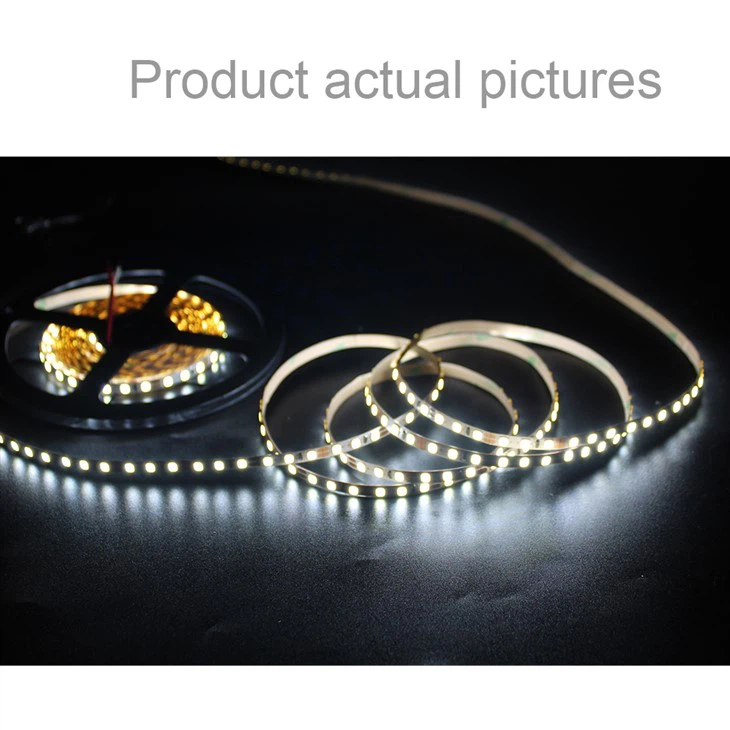
For example, if you're using a Double Line 2835 LED Strip, you need to make sure it has a proper waterproof rating. Look for strips that are labeled as IP65 or higher. The IP (Ingress Protection) rating tells you how well the strip can resist dust and water. An IP65 rating means it's dust - tight and can withstand low - pressure water jets from any direction.
If your strip doesn't have a high enough waterproof rating, you can use waterproofing sleeves or coatings. There are special silicone sleeves that you can slide over the LED strip to protect it from water. Just make sure to seal the ends properly to prevent water from seeping in.
2. Electrical Safety
Electrical safety is crucial on a boat. The electrical system on a boat is different from what you have at home. There's a higher risk of short - circuits due to the damp environment.
When installing a 5mm LED Strip Light, you need to use the right wiring and connectors. Make sure all the connections are tight and insulated. Loose connections can cause arcing, which is not only a fire hazard but can also damage the LED strip.
Use marine - grade electrical cables. These cables are designed to withstand the harsh marine environment, including saltwater corrosion. They also have better insulation to prevent electrical leakage.
Another important thing is to use a proper power supply. Make sure the power supply is rated for the correct voltage and current of the LED strip. Overloading the power supply can cause it to overheat and potentially start a fire.
3. Heat Dissipation
LED strips generate heat, and in a confined space like a boat, this heat can build up quickly. Excessive heat can not only reduce the lifespan of the LED strip but also pose a fire risk.
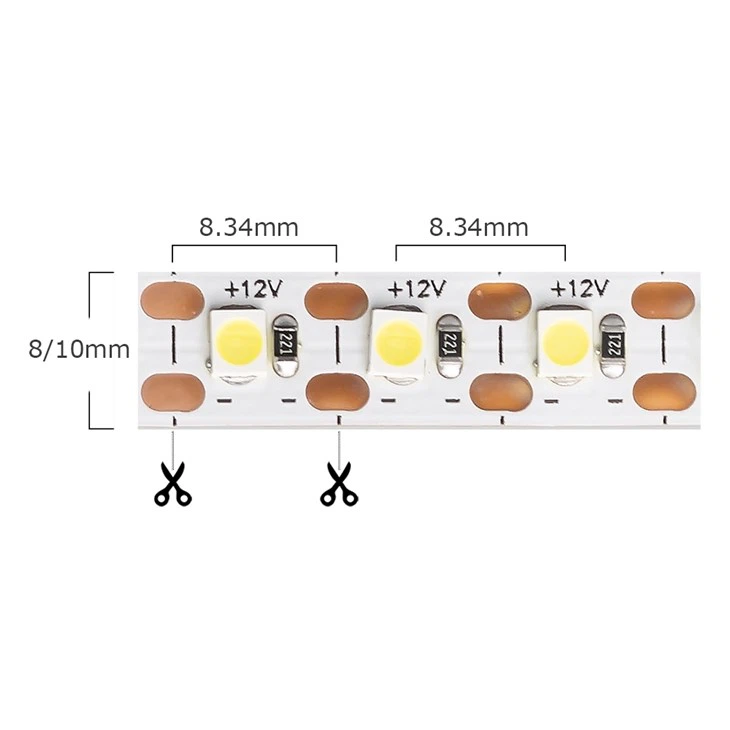
The 2835 LED Strip 1 LED Cut needs proper ventilation. Don't install the strip in an enclosed area where the heat can't escape. You can install heat sinks or use a mounting surface that can dissipate heat effectively. For example, mounting the LED strip on a metal surface can help transfer the heat away from the strip.
Also, make sure to follow the manufacturer's guidelines on the maximum length of the LED strip that can be used without additional power injection. Longer strips can generate more heat, and if not properly powered, can overheat.
4. UV Resistance
The sun can be brutal on a boat, and UV rays can damage the LED strip over time. UV rays can cause the plastic casing of the LED strip to become brittle and crack, which can expose the electrical components to water and other hazards.
Look for LED strips that are UV - resistant. Some manufacturers add UV - stabilizers to the plastic casing of the strip to protect it from the sun's rays. If your strip isn't UV - resistant, you can use a UV - protective film. This film can be applied to the surface of the LED strip to block the UV rays.
5. Installation Location
Where you install the LED strip on the boat matters a lot. Avoid installing it in areas where it can be easily damaged. For example, don't install it near areas where people might step on it or where it can be hit by moving objects.
Also, consider the visibility of the LED strip. If it's used for navigation or safety lighting, make sure it's installed in a location where it can be easily seen. For example, installing it along the edges of the boat deck can help people see where they're walking at night.
6. Fire Safety
Fire is a major concern on a boat. As mentioned earlier, electrical issues and overheating can cause fires. Make sure to keep flammable materials away from the LED strip.
Install a fire - resistant backing behind the LED strip. There are special fire - resistant tapes and boards that you can use. Also, have a fire extinguisher on board and make sure everyone on the boat knows how to use it.
7. Maintenance
Regular maintenance is essential to keep the LED strip safe. Check the strip regularly for any signs of damage, such as cracks, water damage, or loose connections.
Clean the LED strip periodically to remove dirt and salt deposits. Use a soft, damp cloth to clean it, and make sure it's completely dry before turning it on again.
If you notice any problems with the LED strip, such as flickering or dimming, don't ignore it. It could be a sign of an underlying electrical or mechanical issue.
Conclusion
Using a Regular LED Strip on a boat can add a lot of style and functionality, but it's important to take safety seriously. By considering water resistance, electrical safety, heat dissipation, UV resistance, installation location, fire safety, and maintenance, you can ensure that your LED strip works safely and lasts a long time.
If you're interested in purchasing high - quality Regular LED Strips for your boat, I'd love to have a chat with you. We have a wide range of products that are suitable for marine applications. Contact us to discuss your specific needs and let's find the perfect LED strip solution for your boat.
References
- "Marine Electrical Systems Handbook"
- Manufacturer's guides for LED strips
- "Boat Safety Manual"
