

What is the color stability of a RGB LED Strip 120 LED over time?
Thu 19,2025
Leave a message
As a supplier of RGB LED Strip 120 LED, I've had numerous customers inquire about the color stability of these products over time. In this blog, I'll delve into this crucial topic, exploring what affects color stability, how to measure it, and why it matters in various applications.
Understanding RGB LED Strip 120 LED
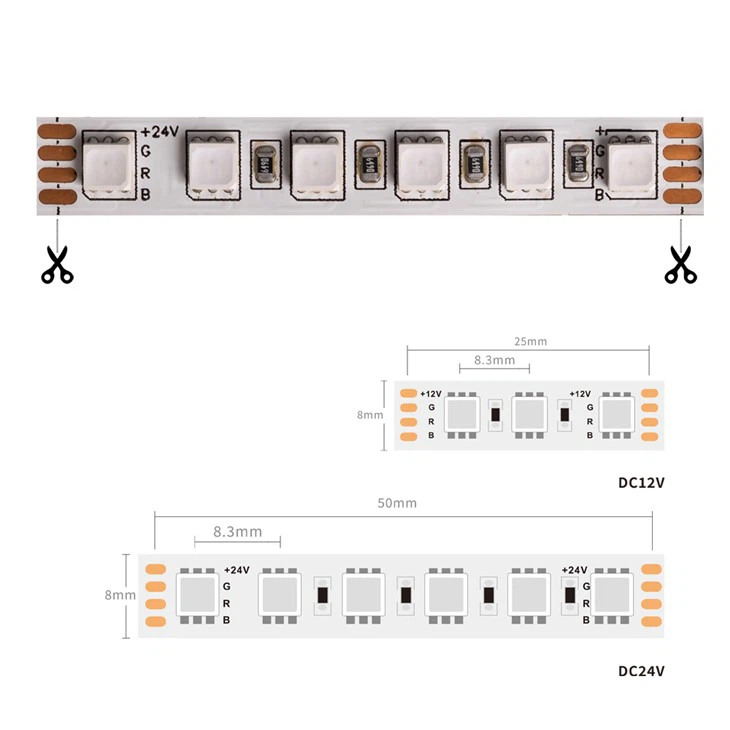
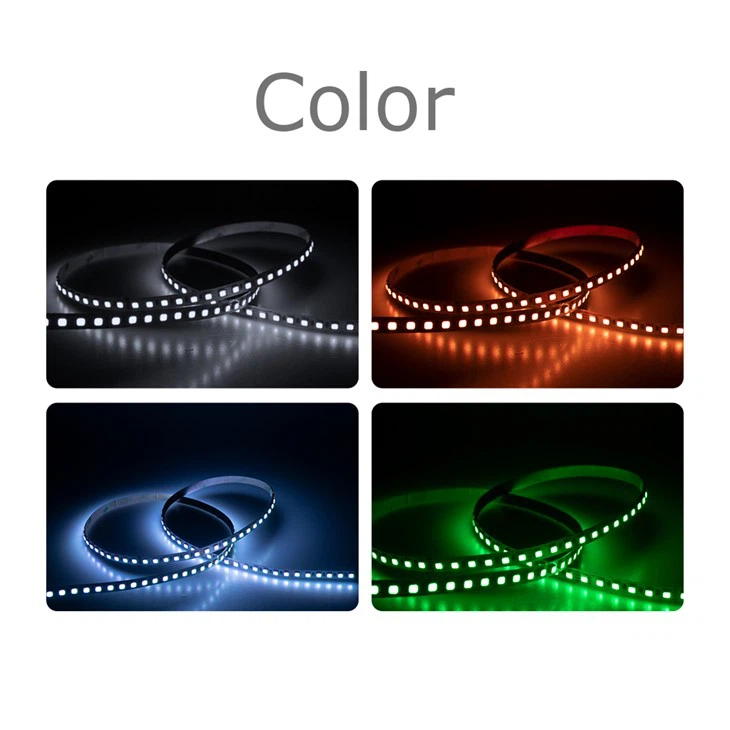
Before we discuss color stability, let's briefly introduce the RGB LED Strip 120 LED. This product features 120 LEDs per meter, offering a high - density lighting solution. RGB LEDs can produce a wide spectrum of colors by mixing red, green, and blue light. This flexibility makes them popular in many applications, from home decoration to commercial lighting.
Factors Affecting Color Stability
1. Temperature
Temperature is one of the most significant factors influencing the color stability of RGB LED strips. LEDs are sensitive to heat. When the temperature rises, the forward voltage of the LEDs changes, which in turn affects the current flowing through them. Different colors of LEDs (red, green, and blue) have different temperature coefficients. For example, red LEDs typically have a positive temperature coefficient, while blue and green LEDs may have negative temperature coefficients. As a result, an increase in temperature can cause an imbalance in the intensity of the three primary colors, leading to a shift in the overall color output.
2. Aging
Over time, LEDs naturally age. The phosphor coating inside the LEDs, which is responsible for converting blue light into other colors, degrades. This degradation can cause a change in the color rendering index (CRI) and the color coordinates of the LEDs. Additionally, the semiconductor materials in the LEDs can also experience wear and tear, leading to a decrease in luminous efficacy and a shift in color.
3. Power Supply
A stable power supply is crucial for maintaining color stability. Fluctuations in voltage or current can cause the LEDs to flicker or change color. For example, if the power supply provides an inconsistent current, the LEDs may not receive the right amount of energy to emit light of the intended color. Low - quality power supplies are more likely to cause these issues, so it's essential to use a reliable power source.
4. Environmental Conditions
The environment in which the LED strip is installed also plays a role. Exposure to moisture, dust, and chemicals can damage the LEDs and affect their color stability. Moisture can cause corrosion of the electrical components, while dust can accumulate on the surface of the LEDs, blocking the light output. Chemicals in the air, such as sulfur compounds, can react with the materials in the LEDs, leading to discoloration.
Measuring Color Stability
1. Color Coordinates
The Commission Internationale de l'Éclairage (CIE) color space is commonly used to measure color. The CIE 1931 and CIE 1976 color spaces provide a way to represent colors as coordinates on a two - dimensional plane. By measuring the color coordinates of an RGB LED strip at different times, we can determine if there has been a color shift. A smaller change in color coordinates indicates better color stability.
2. Color Rendering Index (CRI)
The CRI is a measure of how accurately a light source can reproduce the colors of objects compared to a reference light source. A high CRI value (close to 100) means that the light source can render colors more accurately. By measuring the CRI of an RGB LED strip over time, we can assess its ability to maintain color accuracy.
3. Luminous Flux
Luminous flux is a measure of the total amount of light emitted by a light source. A decrease in luminous flux over time can be an indication of LED aging, which may also be accompanied by a color shift. Monitoring the luminous flux of an RGB LED strip can help us detect changes in its performance.
Importance of Color Stability
1. Decorative Lighting
In decorative lighting applications, such as in homes, restaurants, and event venues, color stability is crucial. For example, if you use an RGB LED strip to create a specific mood or theme, a color shift over time can ruin the intended effect. Consistent color output ensures that the lighting design remains visually appealing.
2. Commercial Lighting
In commercial settings, such as retail stores and art galleries, accurate color rendering is essential. Retailers rely on proper lighting to showcase their products in the best possible light. A shift in color can make products look less appealing or change their perceived color, which can affect sales. Art galleries need precise color reproduction to display artworks as accurately as possible.
3. Signage and Display
RGB LED strips are widely used in signage and display applications. Color stability is vital to ensure that the message or image on the sign remains clear and accurate. A color shift can make the signage difficult to read or the display less effective.
Our Solutions for Color Stability
As a supplier of RGB LED Strip 120 LED, we take several measures to ensure color stability.
1. High - Quality Components
We use high - quality LEDs and other components in our products. Our LEDs are carefully selected from reliable manufacturers to ensure consistent performance. The phosphor coatings in our LEDs are designed to have high resistance to degradation, reducing the impact of aging on color stability.
2. Thermal Management
We incorporate effective thermal management techniques in our LED strips. This includes using heat - conductive materials and designing the PCB layout to dissipate heat efficiently. By keeping the temperature of the LEDs within a safe range, we can minimize the color shift caused by temperature changes.
3. Stable Power Supply
We recommend using high - quality power supplies with our LED strips. Our technical support team can provide guidance on selecting the appropriate power supply to ensure stable operation and color consistency.
4. Environmental Protection
Our LED strips are designed to be resistant to environmental factors. They are coated with a protective layer to prevent moisture, dust, and chemicals from entering the LEDs. This helps to maintain the color stability of the strips, even in harsh environments.
Other Related Products
In addition to RGB LED Strip 120 LED, we also offer 3838 RGB LED Strip and RGBWW LED Strip. These products also feature high color stability and are suitable for a variety of applications. The 3838 RGB LED Strip is known for its compact size and high brightness, while the RGBWW LED Strip combines RGB and warm white LEDs, providing more color options and better color rendering.
Contact Us for Procurement
If you are interested in our RGB LED strips or have any questions about color stability, please feel free to contact us. We are committed to providing high - quality products and excellent customer service. Whether you are a homeowner looking to decorate your living space or a business owner in need of reliable lighting solutions, we can help you find the right product for your needs. Our team of experts can provide technical support and assistance in selecting the appropriate LED strip for your application.
References
- "LED Lighting Handbook" by Steven F. Poplawski
- "Color Science: Concepts and Methods, Quantitative Data and Formulae" by Günther Wyszecki and W. S. Stiles
