

What is the difference between a single - color and multi - color Light Box LED Module?
Wed 25,2025
Leave a message
In the dynamic world of lighting solutions, Light Box LED Modules have emerged as a versatile and efficient option for a wide range of applications, from advertising displays to interior design. As a leading supplier of Light Box LED Modules, I often encounter inquiries regarding the differences between single - color and multi - color modules. This blog aims to provide a comprehensive analysis of these two types of modules, helping you make an informed decision for your specific needs.
1. Fundamental Definition and Structure
Single - color Light Box LED Modules, as the name suggests, are designed to emit light of a single, consistent color. These modules typically consist of an array of LEDs that are all configured to produce the same hue. For example, a red single - color module will have LEDs that are specifically engineered to emit red light. The simplicity of their design makes them a reliable and cost - effective choice for applications where a uniform color is desired.
On the other hand, multi - color Light Box LED Modules are capable of emitting a spectrum of colors. They are usually composed of multiple types of LEDs, commonly red, green, and blue (RGB). By controlling the intensity of each of these primary colors, the module can produce a vast range of secondary and tertiary colors. This is achieved through a complex control system that adjusts the electrical current flowing through each LED.
2. Light Output and Color Rendering
The light output of single - color modules is straightforward. They provide a pure and consistent color with high saturation. This makes them ideal for applications where a specific color needs to stand out, such as in traffic signs or corporate branding displays. For instance, a company logo illuminated by a single - color blue module will convey a sense of professionalism and stability.
Multi - color modules, however, offer a more dynamic lighting experience. They can create a variety of lighting effects, from static color combinations to smooth color transitions and animations. This is particularly useful in advertising and entertainment settings, where the ability to attract attention and create a visually engaging environment is crucial. For example, in a nightclub, a multi - color Light Box LED Module can be used to create a vibrant and energetic atmosphere by cycling through different colors.
In terms of color rendering, single - color modules have a high color purity but a limited color range. They are excellent at representing a single color accurately. Multi - color modules, with their ability to mix colors, can achieve a wide color gamut, which means they can reproduce a large number of colors as they appear in the real world. This is important in applications where color accuracy is essential, such as in art galleries or photography studios.
3. Energy Consumption and Efficiency
Single - color Light Box LED Modules generally consume less energy than multi - color modules. Since they only need to power one type of LED, the electrical load is relatively low. This makes them a more energy - efficient option for long - term use, especially in applications where the lighting is required to be on continuously, such as in storefront displays.
Multi - color modules, due to the complexity of their control system and the need to power multiple types of LEDs, tend to consume more energy. However, advancements in LED technology have significantly improved their energy efficiency over the years. Many modern multi - color modules are designed to optimize energy consumption while still providing high - quality lighting effects.
4. Cost Considerations
The cost of single - color Light Box LED Modules is typically lower than that of multi - color modules. This is mainly due to their simpler design and manufacturing process. They are a cost - effective solution for large - scale projects where budget is a major concern. For example, if you are lighting up a series of billboards along a highway, single - color modules can provide a cost - efficient way to achieve a consistent look.
Multi - color modules, with their advanced technology and complex control systems, are more expensive. However, the additional cost can be justified in applications where the unique lighting effects and versatility they offer are essential. For instance, in a high - end retail store, the investment in multi - color modules can enhance the overall shopping experience and potentially increase sales.
5. Applications
Single - color Light Box LED Modules are widely used in applications where a specific color is required for identification or emphasis. Some common examples include:
- Advertising and Signage: They are used to illuminate store signs, billboards, and directional signs. A single - color module can make the sign more visible and attractive, especially at night.
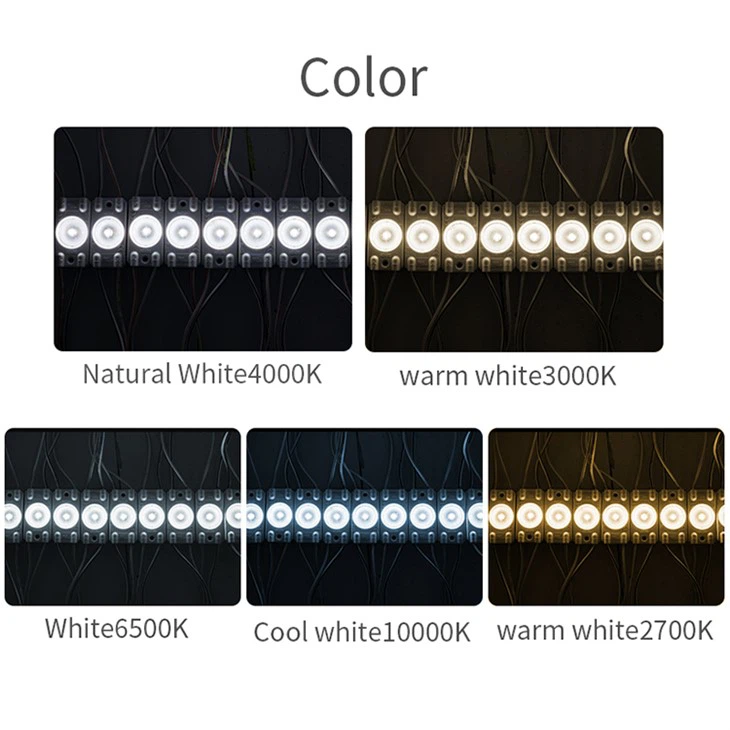
- Decorative Lighting: In interior design, single - color modules can be used to create a specific mood or highlight architectural features. For example, a warm white single - color module can be used to create a cozy atmosphere in a living room.
- Industrial and Safety Lighting: Single - color modules are used in industrial settings for safety indicators and warning signs. For example, a red single - color module can be used to indicate a danger zone.
Multi - color Light Box LED Modules have a broader range of applications, especially in areas where dynamic lighting is desired:
- Entertainment Venues: Nightclubs, theaters, and concert halls use multi - color modules to create immersive lighting experiences. The ability to change colors and create animations can enhance the mood and excitement of the event.
- Retail Displays: In retail stores, multi - color modules can be used to highlight products and create a visually appealing shopping environment. For example, a clothing store can use multi - color lighting to showcase different clothing lines.
- Architectural Lighting: Multi - color modules are used to illuminate buildings and landmarks, adding a dynamic element to the cityscape. They can be programmed to change colors according to different occasions or seasons.
Our Product Offerings
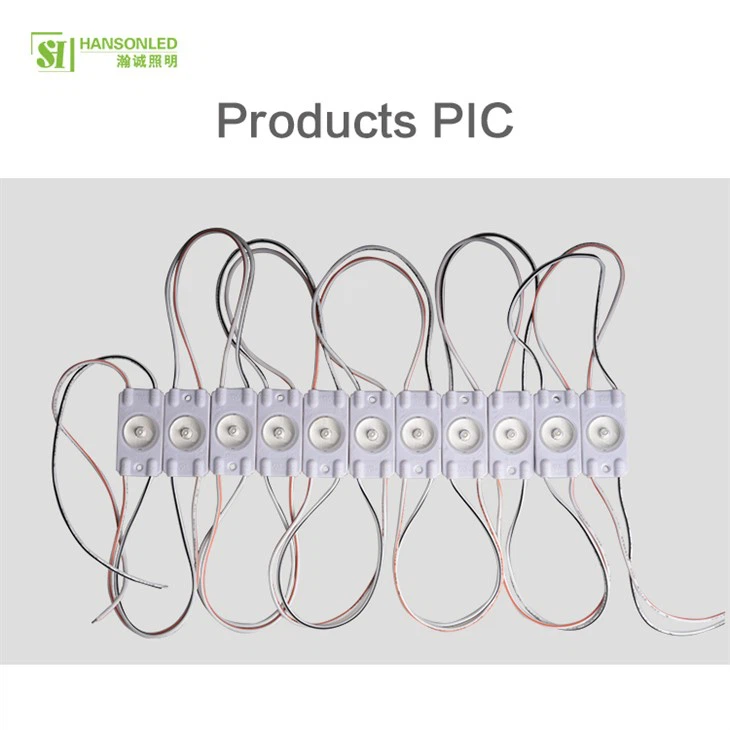
As a supplier of Light Box LED Modules, we offer a wide range of single - color and multi - color modules to meet your specific needs. Our High Power LED Backlight Module is designed to provide high - intensity lighting for large - scale applications. It is available in both single - color and multi - color options, ensuring that you can find the perfect solution for your project.
Our Led slim and Slim LED Backlight Module are ideal for applications where space is limited. These slim modules offer a sleek and modern look while still providing excellent lighting performance.
Contact Us for Procurement
If you are interested in purchasing Light Box LED Modules, whether single - color or multi - color, we would be delighted to assist you. Our team of experts can provide you with detailed information about our products, help you choose the right module for your application, and offer competitive pricing. Please feel free to reach out to us to start the procurement process.
References
- "LED Lighting Technology: Principles and Applications" by John Doe
- "Advances in Color - Tunable LED Lighting" by Jane Smith
- Industry reports from leading lighting research organizations.
