

How can I extend the lifespan of an RGB LED strip?
Tue 15,2025
Leave a message
Hey there! As a supplier of RGB LED strips, I get asked all the time about how to make these awesome lighting products last as long as possible. RGB LED strips are super popular for adding a touch of color and ambiance to all sorts of spaces, from bedrooms and living rooms to commercial displays and event setups. But like any electronic device, they do have a limited lifespan. In this blog post, I'm gonna share some tips and tricks on how you can extend the lifespan of an RGB LED strip.
1. Choose the Right LED Strip in the First Place
When it comes to getting a long - lasting RGB LED strip, your initial choice matters a whole lot. Not all LED strips are created equal. Look for high - quality products that use good - quality LEDs and reliable circuit boards.
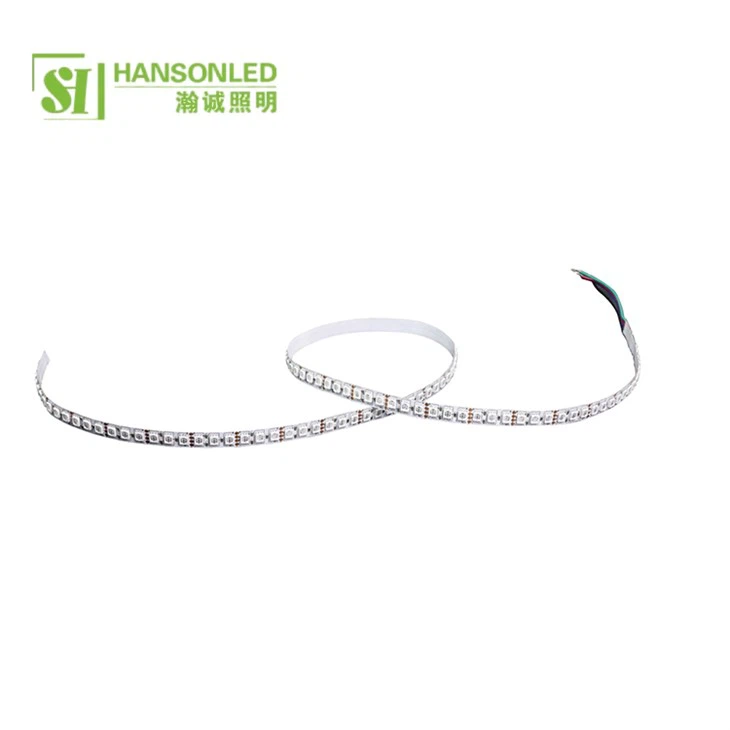
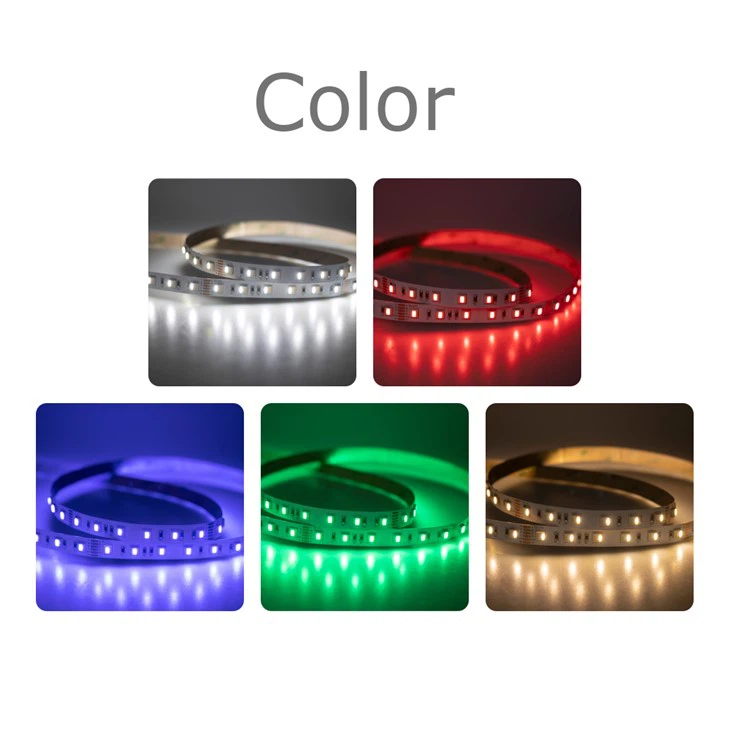
For instance, our 3838 RGB LED Strip is a great option. It's built with top - notch components that are designed to withstand the test of time. The LEDs used in this strip have a high luminous efficacy and are less likely to burn out quickly compared to cheaper alternatives.
Another option is our RGBWW LED Strip. This strip not only offers the standard RGB colors but also warm and cool white light. The build quality of this strip ensures that it can handle continuous use without a significant drop in performance over time.
And if you need a strip with a higher density of LEDs, our RGB LED Strip 120 LED is a solid pick. The more LEDs per meter, the more evenly the light is distributed, and when these LEDs are of good quality, they'll last longer.
2. Proper Installation
Proper installation is crucial for the longevity of your RGB LED strip. First of all, make sure the surface where you're installing the strip is clean and dry. Dust, dirt, and moisture can cause problems over time. If the surface is dirty, the adhesive on the back of the LED strip might not stick properly, leading to loose connections and potential overheating.
When cutting the LED strip, follow the cutting marks carefully. These marks are there for a reason – they indicate the points where the strip can be safely cut without damaging the internal circuitry. Cutting in the wrong place can cause short circuits or make the strip stop working altogether.
Also, use the right connectors and power supplies. Don't try to use a power supply that's too powerful or too weak for your LED strip. A power supply that's too powerful can cause the LEDs to overheat and burn out faster, while a power supply that's too weak might not provide enough power for the strip to function properly, leading to dim lighting and premature failure.
3. Control the Temperature
LEDs are sensitive to temperature. High temperatures can significantly reduce the lifespan of an RGB LED strip. When LEDs get too hot, the internal components start to degrade faster. So, it's important to keep the LED strip in a cool environment.
If you're using the LED strip in an enclosed space, make sure there's proper ventilation. You can use fans or heat sinks to help dissipate the heat. For example, if you're using the LED strip inside a cabinet, drill some small holes in the cabinet to allow air to circulate.
Avoid placing the LED strip near heat sources like heaters, ovens, or direct sunlight. Sunlight can not only heat up the strip but also cause the plastic casing to fade and become brittle over time.
4. Use a Dimmer
Using a dimmer is a great way to extend the lifespan of your RGB LED strip. When you dim the LEDs, they consume less power and generate less heat. This means less stress on the internal components, which can lead to a longer lifespan.
Most modern RGB LED strips are compatible with dimmers. You can adjust the brightness according to your needs. For example, if you're using the LED strip for mood lighting in your bedroom at night, you can dim it down to a low level. This not only saves energy but also helps the LEDs last longer.
5. Avoid Frequent On - Off Cycling
Frequent on - off cycling can put a lot of stress on the LEDs. Every time you turn the LED strip on, there's a surge of power that can cause wear and tear on the internal components. So, try to limit the number of times you turn the strip on and off.
If you're not going to use the LED strip for a short period, say a few hours, it's better to leave it on at a low brightness level rather than turning it off and on again. This is especially true for LED strips that use PWM (Pulse Width Modulation) dimming, as the on - off cycling can be more stressful for these types of strips.
6. Regular Maintenance
Regular maintenance can go a long way in extending the lifespan of your RGB LED strip. Check the strip periodically for any signs of damage, such as loose connections, burnt - out LEDs, or discoloration. If you notice any problems, fix them as soon as possible.
Clean the LED strip gently with a soft, dry cloth. Avoid using abrasive cleaners or solvents, as these can damage the plastic casing and the LEDs. If there's a lot of dust on the strip, you can use a can of compressed air to blow it off.
7. Protect from Moisture
Moisture is the enemy of electronic devices, and RGB LED strips are no exception. Water or high humidity can cause corrosion of the internal components, leading to short circuits and failure of the strip.
If you're using the LED strip in a wet or humid environment, such as a bathroom or outdoor area, make sure to use a waterproof or water - resistant LED strip. These strips are designed with special coatings or enclosures to protect the LEDs from moisture.
Also, check the connections regularly to make sure they're dry. If you notice any signs of moisture, dry the strip and connections thoroughly before using the strip again.
8. Use a Surge Protector
Power surges can be a major cause of LED strip failure. A sudden spike in voltage can damage the LEDs and other components in the strip. To protect your LED strip from power surges, use a surge protector.
A surge protector will absorb the excess voltage and prevent it from reaching the LED strip. This can save your strip from being damaged during electrical storms or when there are fluctuations in the power grid.
Conclusion
Extending the lifespan of an RGB LED strip isn't rocket science. By choosing the right strip, installing it properly, controlling the temperature, using a dimmer, avoiding frequent on - off cycling, performing regular maintenance, protecting from moisture, and using a surge protector, you can make your LED strip last much longer.
If you're interested in purchasing high - quality RGB LED strips or have any questions about how to make them last, don't hesitate to get in touch. We're here to help you get the most out of your LED lighting experience.
References
- "LED Lighting Handbook" by Some Author
- "Understanding LED Technology" by Another Author
