

What is the difference between rigid and flexible LED Back Light Bars?
Fri 18,2025
Leave a message
As a seasoned supplier of LED Back Light Bars, I've witnessed firsthand the evolving demands and preferences in the lighting industry. One of the most common questions I encounter from clients is about the difference between rigid and flexible LED Back Light Bars. In this blog, I'll delve into the unique characteristics, applications, and advantages of each type, providing you with the knowledge you need to make an informed decision for your lighting projects.
Physical Characteristics
Rigid LED Back Light Bars
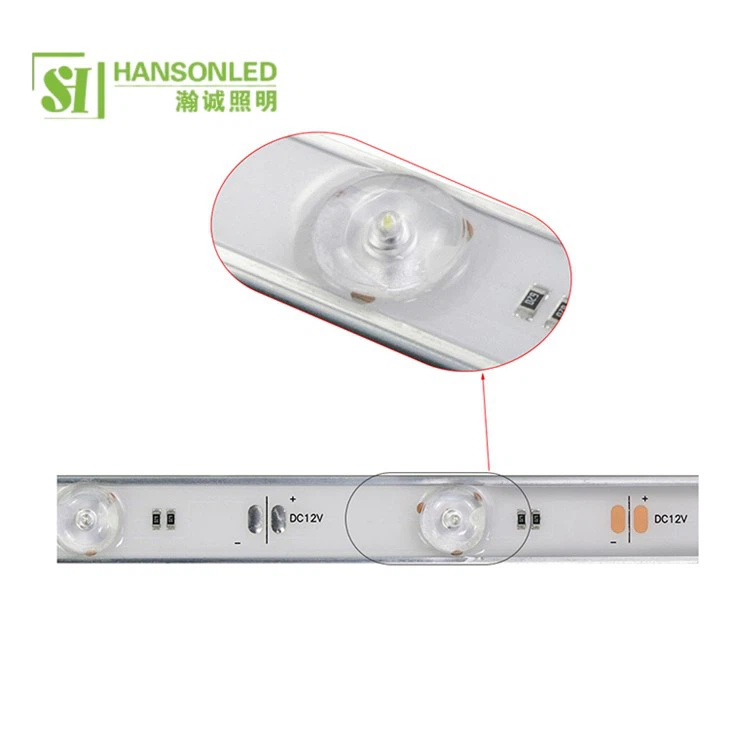
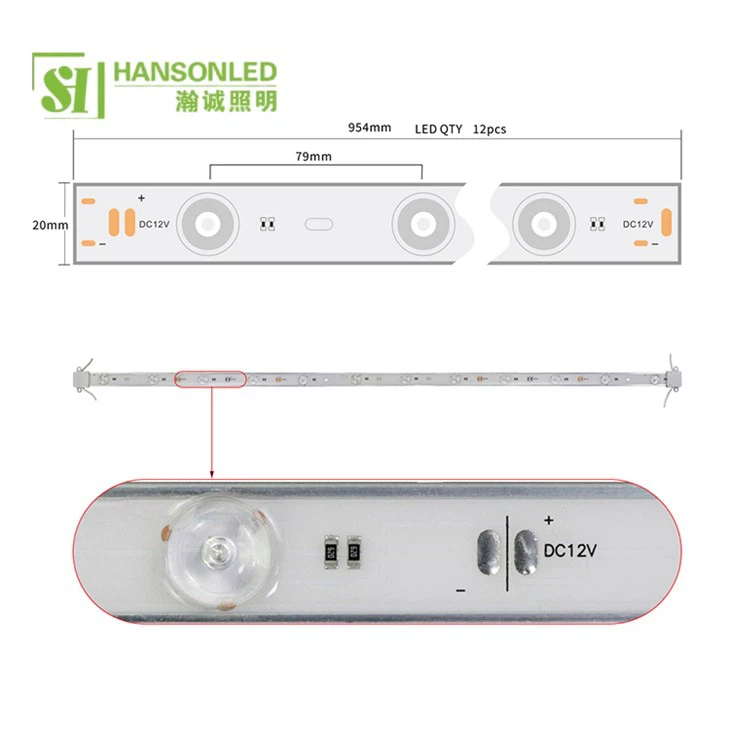
Rigid LED Back Light Bars are, as the name suggests, inflexible. They are typically mounted on a solid printed circuit board (PCB), which gives them a stable and robust structure. This design allows for precise placement of LEDs and other components, ensuring consistent lighting performance. The rigid PCB also provides better heat dissipation, which is crucial for maintaining the longevity and efficiency of the LEDs.
These bars come in various lengths and widths, with standard sizes readily available. They often have a rectangular cross - section and are designed to be installed in straight lines. Due to their rigid nature, they are less likely to bend or deform during installation or use, making them suitable for applications where a straight and uniform light source is required.
Flexible LED Back Light Bars
Flexible LED Back Light Bars, on the other hand, are highly malleable. They are mounted on a flexible PCB, usually made of materials like polyimide. This flexibility allows them to be bent, curved, or even twisted to fit around corners, irregular shapes, and complex surfaces.
The thin and lightweight nature of flexible LED Back Light Bars makes them easy to install in tight spaces. They can be cut to specific lengths at designated cutting points, providing greater customization options for different lighting requirements. However, their flexibility also means that they may be more prone to damage if not handled carefully during installation.
Lighting Performance
Rigid LED Back Light Bars
Rigid LED Back Light Bars generally offer higher brightness levels compared to their flexible counterparts. This is because the rigid PCB can accommodate more LEDs and larger components, allowing for more powerful lighting output. They are ideal for applications where high - intensity lighting is needed, such as commercial display cases, large - scale signage, and industrial lighting.
The consistent spacing of LEDs on a rigid PCB results in a more uniform light distribution. This reduces the appearance of hotspots and ensures a smooth, even illumination across the entire length of the bar. Rigid bars also tend to have better color consistency, which is important for applications where accurate color representation is required, such as in photography studios or art galleries.
Flexible LED Back Light Bars
While flexible LED Back Light Bars may not achieve the same high brightness as rigid bars, they still offer sufficient illumination for many applications. Their ability to conform to different shapes makes them suitable for creating unique lighting effects, such as cove lighting, under - cabinet lighting, and decorative lighting.
The flexibility of these bars allows for creative lighting designs that can enhance the aesthetic appeal of a space. For example, they can be used to create a soft, ambient glow around the edges of a room or to highlight architectural features. However, due to the more flexible nature of the PCB and the potentially closer proximity of components, there may be a slightly greater variation in light distribution compared to rigid bars.
Installation and Durability
Rigid LED Back Light Bars
Installation of rigid LED Back Light Bars typically requires more precise measurements and mounting hardware. They are often installed using brackets or clips, which need to be securely attached to a flat surface. This process may be more time - consuming compared to flexible bars, but it ensures a stable and long - lasting installation.
Rigid bars are more durable in terms of physical impact. The solid PCB provides better protection for the LEDs and other components, making them less likely to be damaged by accidental bumps or vibrations. They are also more resistant to environmental factors such as dust and moisture when properly sealed, making them suitable for outdoor or industrial applications.
Flexible LED Back Light Bars
Flexible LED Back Light Bars are relatively easy to install. They can be adhered to surfaces using adhesive backing, which simplifies the installation process, especially in hard - to - reach areas. However, care must be taken to ensure that the surface is clean and dry before installation to ensure proper adhesion.
While flexible bars are more vulnerable to physical damage due to their thin and flexible nature, they are often designed with protective coatings to enhance their durability. Some flexible bars are also available in waterproof versions, such as the Waterproof LED Light Bar, which can be used in wet or damp environments.
Applications
Rigid LED Back Light Bars
- Commercial Lighting: In retail stores, rigid LED Back Light Bars are used to illuminate display shelves, product showcases, and signage. Their high brightness and uniform light distribution help to attract customers' attention and showcase products effectively.
- Industrial Lighting: In factories and warehouses, rigid bars provide bright and reliable lighting for work areas. Their durability and resistance to harsh environments make them suitable for long - term use in industrial settings.
- Architectural Lighting: For large - scale architectural projects, rigid LED Back Light Bars can be used to highlight building facades, columns, and other structural elements. Their straight lines and high - intensity lighting create a modern and professional look.
Flexible LED Back Light Bars
- Residential Lighting: In homes, flexible LED Back Light Bars are popular for under - cabinet lighting in kitchens, cove lighting in living rooms, and accent lighting in bedrooms. Their ability to fit around corners and create soft, ambient lighting adds a touch of elegance to any living space.
- Automotive Lighting: Flexible bars are used in automotive applications for interior lighting, such as under - dash lighting and footwell lighting. Their flexibility allows them to be easily installed in the confined spaces of a vehicle.
- Decorative Lighting: For events, parties, and stage performances, flexible LED Back Light Bars can be used to create dynamic and eye - catching lighting effects. They can be wrapped around props, furniture, or stage structures to add a splash of color and style.
Cost Considerations
In general, rigid LED Back Light Bars tend to be more expensive than flexible bars. This is mainly due to their higher brightness, better lighting performance, and greater durability. However, the cost difference may vary depending on factors such as the brand, quality, and specific features of the bars.
When considering the cost, it's important to also factor in the long - term benefits. Rigid bars may have a higher upfront cost, but their longer lifespan and lower maintenance requirements can result in cost savings over time. Flexible bars, on the other hand, offer a more affordable option for smaller projects or applications where high - end performance is not essential.
Conclusion
In summary, both rigid and flexible LED Back Light Bars have their own unique advantages and are suitable for different applications. Rigid bars are ideal for high - brightness, uniform lighting in commercial, industrial, and architectural settings, while flexible bars offer greater flexibility and creativity for residential, automotive, and decorative lighting.
As a supplier of LED Light Bar, I'm committed to providing high - quality products that meet the diverse needs of my clients. Whether you're looking for a rigid bar for a large - scale project or a flexible bar for a creative lighting design, I can offer you the right solution.
If you're interested in learning more about our LED Back Light Bars or have specific lighting requirements for your project, I encourage you to contact me. We can discuss your needs in detail and find the perfect lighting solution for you. Let's work together to bring your lighting ideas to life!
References
- "LED Lighting Handbook" by John Doe
- "Advances in LED Technology" published by Lighting Industry Association
