

Do high voltage LED strips flicker?
Mon 21,2025
Leave a message
As a supplier of high voltage LED strips, I often encounter questions from customers regarding the potential for flickering in these products. This concern is understandable, as flickering can not only be a nuisance but may also indicate underlying issues with the LED strip's performance or quality. In this blog post, I will delve into the topic of whether high voltage LED strips flicker, exploring the factors that can contribute to flickering and how to prevent it.
Understanding High Voltage LED Strips
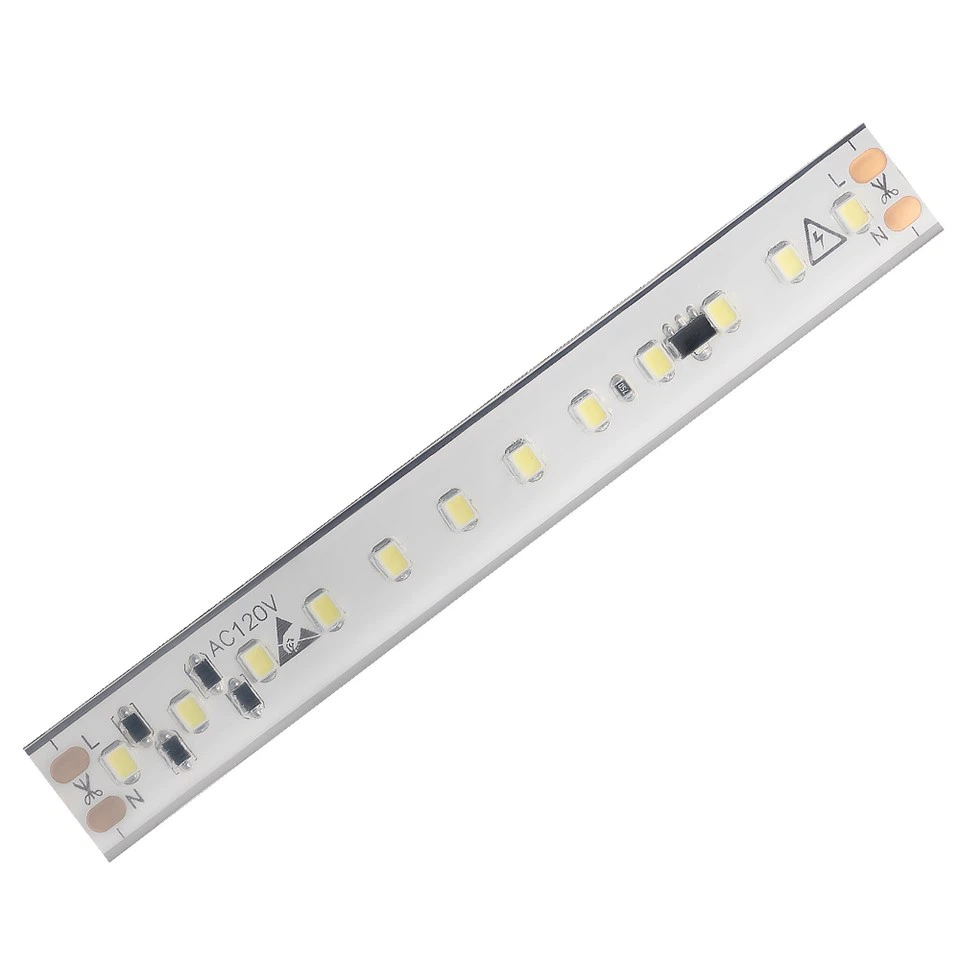
Before we discuss flickering, it's essential to understand what high voltage LED strips are. High voltage LED strips typically operate at voltages higher than the standard low - voltage LED strips, which usually run on 12V or 24V. High voltage LED strips can operate at 110V or 220V, which is the common household voltage in many regions. This makes them easier to install in some applications as they can be directly connected to the mains power supply without the need for a separate low - voltage power adapter.
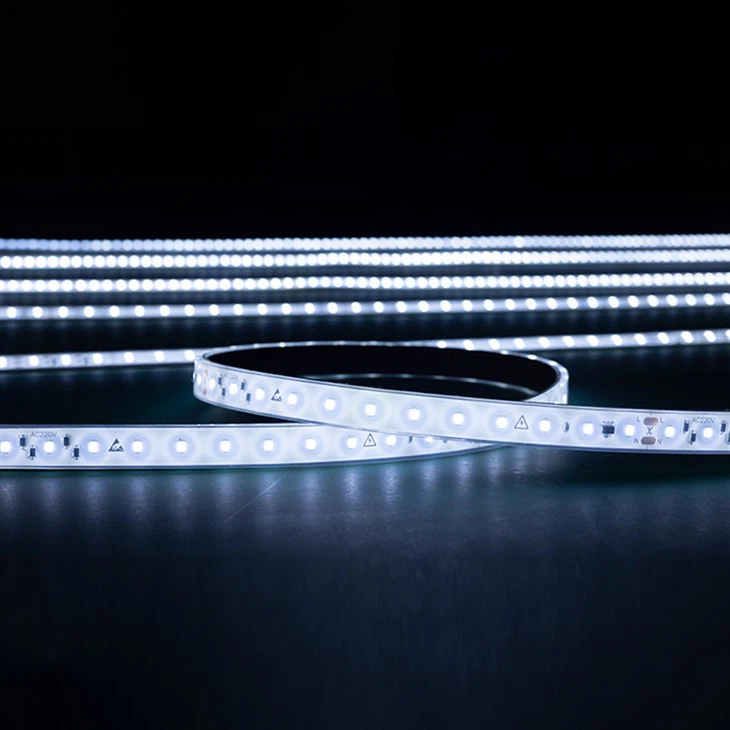
The High Voltage LED Strip 120 LED and High Voltage LED Strip 60 LED are two popular products in our range. The 120 LED version offers a higher density of LEDs, resulting in a brighter and more uniform light output, while the 60 LED version is more suitable for applications where a lower level of illumination is required.
Factors That Can Cause Flickering in High Voltage LED Strips
1. Power Supply Issues
One of the most common causes of flickering in high voltage LED strips is problems with the power supply. Fluctuations in the mains voltage can lead to inconsistent power delivery to the LED strip. For example, if there are sudden surges or drops in the voltage due to other electrical appliances on the same circuit, the LED strip may flicker.
In addition, a poor - quality power supply can also be a culprit. If the power supply does not provide a stable and regulated output voltage, the LEDs will receive an inconsistent amount of power, causing them to flicker. A power supply with a low power factor or high ripple can also introduce flickering. The ripple is the small amount of AC voltage that remains in the DC output of the power supply. If the ripple is too high, it can cause the LEDs to flicker at a frequency that may or may not be visible to the human eye.
2. LED Driver Problems
The LED driver is an essential component in a high voltage LED strip system. It is responsible for converting the high - voltage AC power from the mains into a suitable DC voltage and current for the LEDs. If the LED driver is malfunctioning or not properly matched to the LED strip, it can cause flickering.
A driver that is under - sized for the LED strip will not be able to provide enough power, leading to dimming and flickering. On the other hand, an over - sized driver may supply too much power, which can also cause issues with the LEDs. In addition, a faulty driver may have internal components that are failing, such as capacitors or transistors, which can result in inconsistent power output and flickering.
3. Loose Connections
Loose or poor electrical connections can also cause high voltage LED strips to flicker. If the connections between the LED strip, the power supply, and the LED driver are not secure, the electrical current may be interrupted intermittently. This can happen at the solder joints on the LED strip, the connectors between the strip and the driver, or the connections between the driver and the power supply.
Vibrations, temperature changes, or physical movement can all contribute to loosening the connections over time. In addition, if the connections are not properly insulated, they may be exposed to moisture or other environmental factors, which can cause corrosion and further degrade the electrical connection.
4. LED Quality
The quality of the LEDs themselves can also play a role in flickering. Low - quality LEDs may have inconsistent forward voltage characteristics, which means that they require different amounts of voltage to operate properly. When these LEDs are connected in a strip, the differences in forward voltage can cause uneven current distribution, leading to flickering.
In addition, poor - quality LEDs may be more susceptible to heat and other environmental factors. If the LEDs overheat due to poor heat dissipation or high ambient temperatures, their performance can degrade, and they may start to flicker.
Preventing Flickering in High Voltage LED Strips
1. Choose a High - Quality Power Supply
To prevent flickering caused by power supply issues, it is crucial to choose a high - quality power supply. Look for a power supply that has a high power factor and low ripple. A power factor of at least 0.9 or higher is recommended, as this indicates that the power supply is more efficient and can provide a more stable output voltage.
In addition, make sure that the power supply is rated for the correct voltage and power requirements of the LED strip. It is also a good idea to use a power supply from a reputable manufacturer that offers a warranty.
2. Select the Right LED Driver
Selecting the right LED driver is equally important. The driver should be properly matched to the LED strip in terms of voltage, current, and power. Consult the manufacturer's specifications for both the LED strip and the driver to ensure compatibility.
A good LED driver will also have built - in protection features, such as over - voltage protection, over - current protection, and short - circuit protection. These features can help prevent damage to the LED strip and reduce the risk of flickering.
3. Ensure Secure Connections
To prevent flickering due to loose connections, make sure that all electrical connections are secure. Use high - quality connectors and solder joints, and make sure that they are properly insulated. Regularly inspect the connections for signs of wear or damage, and tighten any loose connections as needed.
In addition, consider using strain relief devices to prevent the connections from being pulled or stressed due to movement or vibration.
4. Use High - Quality LEDs
Investing in high - quality LEDs can significantly reduce the risk of flickering. High - quality LEDs have more consistent forward voltage characteristics, which means that they will receive a more even distribution of current. They are also more resistant to heat and other environmental factors, which helps to maintain their performance over time.
Conclusion
In conclusion, while high voltage LED strips can potentially flicker, there are many factors that can be controlled to prevent this from happening. By understanding the causes of flickering and taking the appropriate preventive measures, such as choosing a high - quality power supply and LED driver, ensuring secure connections, and using high - quality LEDs, you can enjoy a stable and flicker - free lighting experience.
If you are interested in purchasing high voltage LED strips for your project, we are here to help. Our team of experts can provide you with professional advice on product selection, installation, and maintenance. We are committed to providing high - quality products and excellent customer service. If you have any questions or would like to discuss your specific requirements, please feel free to contact us for a detailed consultation and a competitive quote.
References
- "LED Lighting Handbook" by Mark Rea
- "High - Voltage LED Drivers: Design and Applications" by various industry experts in LED technology
