

What is the difference between an RGB LED module and a single - color LED module?
Mon 21,2025
Leave a message
Hey there! As a supplier of RGB LED modules, I've dealt with all sorts of lighting products over the years. And I often get asked about the difference between RGB LED modules and single - color LED modules. So, let's dive right in and explore these differences.
First off, let's talk about single - color LED modules. These are the more straightforward option in the world of LEDs. Single - color LED modules emit just one specific color of light. They're like the classic black - and - white movies in the lighting realm, simple and to the point. You turn them on, and you get a steady, unchanging color, whether it's a warm white for a cozy living room, a bright red for a festive decoration, or a cool blue for a high - tech vibe.
The simplicity of single - color LED modules comes with a bunch of perks. For starters, they're super easy to install. Since there's only one color to deal with, you don't have to worry about complex wiring or programming. If you're a DIY enthusiast looking to set up some basic lighting in your shed or a small playroom, single - color LED modules are a no - brainer. You just connect the power source, and boom, you've got instant, consistent lighting.
Another big plus is the cost. Single - color LED modules are generally more budget - friendly compared to their RGB counterparts. They don't require the extra components needed to control multiple colors, which means the manufacturing cost is lower. So, if you're on a tight budget and just need some basic lighting, single - color LED modules are the way to go. They're also energy - efficient. Just like other LED products, single - color LED modules consume less power while providing a decent amount of light output. This means lower electricity bills for you in the long run.
Now, let's shift our focus to RGB LED modules. RGB stands for red, green, and blue, the three primary colors of light. With an RGB LED module, you're not stuck with just one color. You can mix these primary colors to create a vast spectrum of hues. It's like having a paint palette but for light. You can have a soft pink for a romantic setting, a vivid purple for a nightclub atmosphere, or even a dynamic color - changing sequence for a party.
One of the most significant advantages of RGB LED modules is the versatility. They're perfect for places where you want to change the mood or theme frequently. Think about a restaurant that wants to have a different ambiance during lunch and dinner. Or a home theater where you can sync the lighting with the movie's mood. With an RGB LED module, you can achieve these effects easily. You can use a remote control or a smartphone app to adjust the color, brightness, and even set up dynamic lighting scenes.
RGB LED modules also offer a more immersive experience. In gaming rooms or home cinemas, the ability to change the lighting color can enhance the overall experience. For example, when watching an action movie, the lighting can turn red and flash in sync with the explosions. Or in a game, the lighting can change according to the in - game environment, whether it's a dark dungeon or a bright meadow.
However, RGB LED modules do come with some challenges. They're more complex to install than single - color LED modules. You need to connect additional wires for each color channel and usually require a controller. If you're not familiar with electrical work, you might need to hire a professional to set it up properly. Also, the cost of RGB LED modules is generally higher. The extra components needed to control the multiple colors and the more advanced technology involved drive up the price.
Let's talk about the technical aspects. Single - color LED modules typically have a simpler circuit design. They only need to power a single color LED chip, so the electrical current and voltage requirements are relatively straightforward. This simplicity also means fewer things can go wrong, resulting in a potentially longer lifespan and fewer maintenance issues.
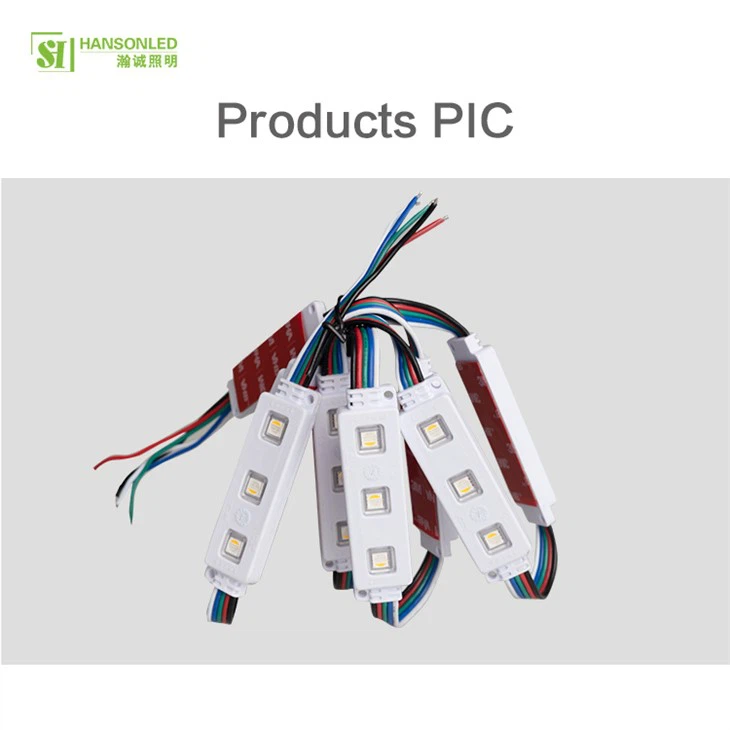
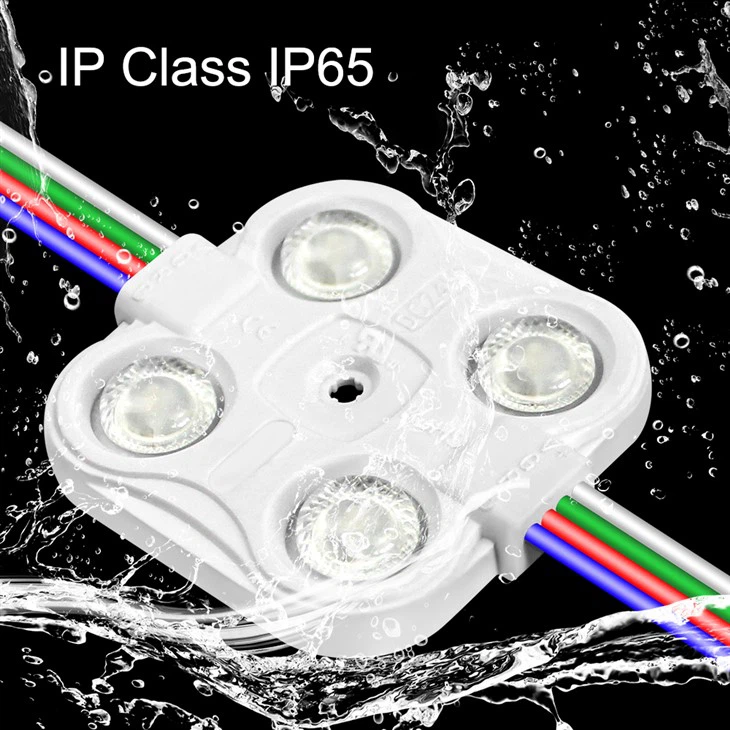
On the other hand, RGB LED modules have a more intricate circuit design. They need to control three or more color channels independently to create different colors. This complexity can lead to more potential points of failure. However, with proper installation and quality components, RGB LED modules can also last a long time.
When it comes to applications, single - color LED modules are commonly used in places where a stable and consistent light color is required. This includes general indoor lighting, such as in bedrooms, kitchens, and offices. They're also widely used in exit signs, traffic signals, and industrial equipment lighting.
RGB LED modules, on the other hand, are a hit in the entertainment and decorative industries. Nightclubs, bars, and event venues use them to create dynamic and eye - catching lighting effects. They're also popular in smart home setups, where homeowners can use their voice assistants or mobile apps to control the lighting color and intensity according to their preferences.
In terms of color accuracy, single - color LED modules win hands down. Since they only emit one color, the color is pure and consistent. There's no risk of color shifting or inaccuracy. RGB LED modules, while capable of a wide range of colors, may sometimes have slight variations in color output. Factors like the quality of the LED chips, the controller, and the power supply can all affect the color accuracy.
If you're thinking about the lighting design for your project, you need to consider your specific needs. If you're looking for a simple, cost - effective, and easy - to - install lighting solution for basic illumination, single - color LED modules are your best bet. But if you're aiming for a dynamic, customizable, and immersive lighting experience, RGB LED modules are the clear winner.
As a supplier of RGB LED modules, I've seen firsthand how these two types of LED modules can transform different spaces. Whether you're a homeowner looking to spruce up your living area or a business owner planning a new store layout, I can help you make the right choice. If you're interested in learning more or making a purchase, feel free to reach out. We can discuss your project requirements and find the best lighting solution for you.
In conclusion, both single - color and RGB LED modules have their own unique features and applications. By understanding the differences between them, you can make an informed decision that suits your needs and budget. Whether it's a single - color LED module for a simple task or an RGB LED module for a high - end, dynamic lighting experience, I'm here to assist you every step of the way.
References:
- LED Lighting Handbook. Available from various lighting manufacturers' official websites.
- Industry reports on LED lighting technology from market research firms.
