

How much energy can the 3838 RGB LED Strip save compared to traditional lights?
Tue 22,2025
Leave a message
In the dynamic landscape of lighting technology, energy efficiency has emerged as a paramount concern for both consumers and businesses. As a leading supplier of 3838 RGB LED Strip, I've witnessed firsthand the transformative impact of these innovative lighting solutions on energy consumption. In this blog post, I'll delve into the science behind the energy savings of 3838 RGB LED Strips compared to traditional lights, exploring the key factors that contribute to their superior efficiency.
Understanding the Basics of Energy Consumption in Lighting
Before we can compare the energy savings of 3838 RGB LED Strips to traditional lights, it's important to understand the basic principles of energy consumption in lighting. The energy consumption of a light source is typically measured in watts (W), which represents the rate at which electrical energy is converted into light and heat. The higher the wattage of a light source, the more energy it consumes.
Traditional incandescent bulbs are known for their high energy consumption. These bulbs work by passing an electric current through a filament, which heats up and emits light. However, a significant portion of the energy consumed by incandescent bulbs is wasted as heat, making them highly inefficient. On average, incandescent bulbs convert only about 10% of the energy they consume into light, while the remaining 90% is lost as heat.
Fluorescent lights, on the other hand, are more energy-efficient than incandescent bulbs. These lights work by passing an electric current through a gas-filled tube, which emits ultraviolet light. The ultraviolet light then strikes a phosphor coating on the inside of the tube, which converts it into visible light. Fluorescent lights typically convert about 20-30% of the energy they consume into light, making them significantly more efficient than incandescent bulbs.
The Energy-Saving Advantages of 3838 RGB LED Strips
3838 RGB LED Strips offer several key advantages over traditional lights when it comes to energy efficiency. These advantages are primarily due to the unique design and technology of LED lights, which allow them to convert a higher percentage of the energy they consume into light.
One of the main reasons why 3838 RGB LED Strips are so energy-efficient is their low power consumption. LED lights typically consume much less power than traditional lights, even when providing the same amount of light. For example, a 3838 RGB LED Strip with a length of 5 meters and a density of 60 LEDs per meter may consume only about 12 watts of power, while a traditional incandescent bulb with the same brightness may consume up to 60 watts of power.
Another advantage of 3838 RGB LED Strips is their high luminous efficacy. Luminous efficacy is a measure of how efficiently a light source converts electrical energy into visible light, and it is typically measured in lumens per watt (lm/W). LED lights have a much higher luminous efficacy than traditional lights, which means they can produce more light using less energy. For example, a typical 3838 RGB LED Strip may have a luminous efficacy of 80-100 lm/W, while a traditional incandescent bulb may have a luminous efficacy of only 10-15 lm/W.
In addition to their low power consumption and high luminous efficacy, 3838 RGB LED Strips also have a longer lifespan than traditional lights. LED lights can last up to 50,000 hours or more, while traditional incandescent bulbs typically last only about 1,000 hours and fluorescent lights last about 10,000-20,000 hours. This means that LED lights need to be replaced less frequently, which not only saves money on replacement costs but also reduces the environmental impact of lighting.
Calculating the Energy Savings of 3838 RGB LED Strips
To get a better understanding of how much energy 3838 RGB LED Strips can save compared to traditional lights, let's consider a real-world example. Suppose you have a room that requires 1,000 lumens of light to be properly illuminated. You have two options: you can use a traditional incandescent bulb or a 3838 RGB LED Strip.
A traditional incandescent bulb with a brightness of 1,000 lumens may consume about 60 watts of power. If you use this bulb for 8 hours a day, 365 days a year, it will consume about 175.2 kilowatt-hours (kWh) of electricity per year. At an average electricity cost of $0.12 per kWh, this will cost you about $21.02 per year.
On the other hand, a 3838 RGB LED Strip with a brightness of 1,000 lumens may consume only about 12 watts of power. If you use this LED strip for 8 hours a day, 365 days a year, it will consume about 35.04 kWh of electricity per year. At an average electricity cost of $0.12 per kWh, this will cost you about $4.20 per year.
As you can see, by using a 3838 RGB LED Strip instead of a traditional incandescent bulb, you can save about 140.16 kWh of electricity per year, which translates to a cost savings of about $16.82 per year. Over the lifespan of the LED strip, which is typically much longer than that of an incandescent bulb, the savings can be even more significant.
The Environmental Benefits of Energy Savings
In addition to the cost savings, using 3838 RGB LED Strips also has significant environmental benefits. By reducing energy consumption, we can reduce our reliance on fossil fuels and lower our carbon footprint. According to the U.S. Environmental Protection Agency (EPA), lighting accounts for about 15% of the total electricity consumption in the United States. By switching to energy-efficient LED lights, we can significantly reduce this percentage and help to mitigate the effects of climate change.
Furthermore, LED lights do not contain harmful substances such as mercury, which is commonly found in fluorescent lights. When fluorescent lights are disposed of in landfills, the mercury can leach into the soil and water, posing a threat to human health and the environment. LED lights, on the other hand, are completely free of mercury and other hazardous materials, making them a more environmentally friendly choice.
Applications of 3838 RGB LED Strips
3838 RGB LED Strips are incredibly versatile and can be used in a wide range of applications. Their energy-saving benefits make them particularly well-suited for applications where energy efficiency is a priority, such as commercial buildings, residential homes, and outdoor lighting.
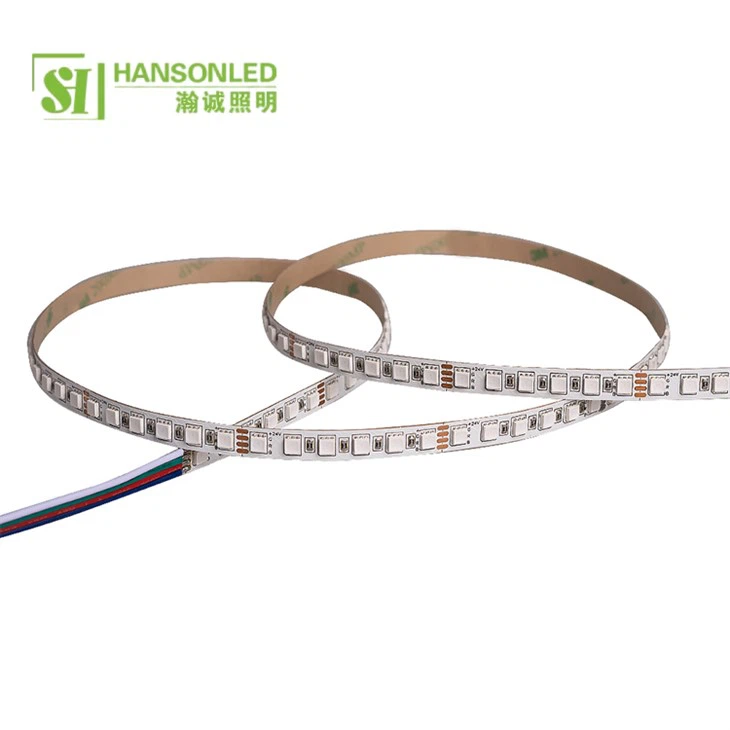
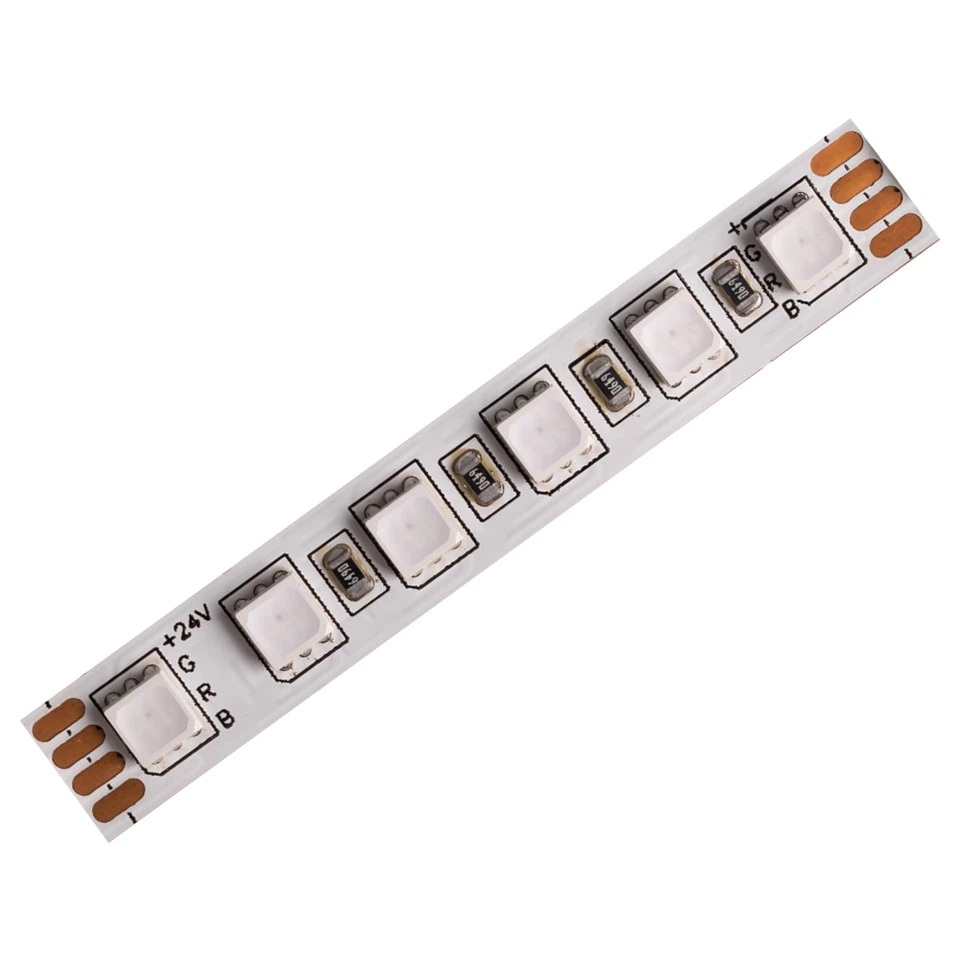
In commercial buildings, 3838 RGB LED Strips can be used for general lighting, accent lighting, and decorative lighting. Their low power consumption and long lifespan make them a cost-effective solution for businesses looking to reduce their energy costs and maintenance expenses. For example, they can be used to illuminate store displays, offices, and warehouses, providing bright and uniform lighting while consuming less energy.
In residential homes, 3838 RGB LED Strips can be used to create a variety of lighting effects, such as mood lighting, task lighting, and decorative lighting. They can be installed under cabinets, along staircases, or around the perimeter of a room to add a touch of style and ambiance. Their energy efficiency also makes them a great choice for homeowners looking to reduce their electricity bills.
Outdoor lighting is another area where 3838 RGB LED Strips excel. They can be used to illuminate gardens, patios, and pathways, providing safe and attractive lighting while consuming less energy than traditional outdoor lights. Their durability and weather resistance make them suitable for use in all types of outdoor environments.
Conclusion
In conclusion, 3838 RGB LED Strips offer significant energy savings compared to traditional lights. Their low power consumption, high luminous efficacy, and long lifespan make them a cost-effective and environmentally friendly lighting solution. By switching to 3838 RGB LED Strips, consumers and businesses can reduce their energy costs, lower their carbon footprint, and enjoy high-quality lighting for years to come.
If you're interested in learning more about our 3838 RGB LED Strips or other RGB LED products, including RGBW LED Strip, please don't hesitate to contact us. We'd be happy to discuss your lighting needs and provide you with a customized solution.
References
- U.S. Department of Energy. (n.d.). Energy Efficiency and Renewable Energy. Retrieved from https://www.energy.gov/
- U.S. Environmental Protection Agency. (n.d.). ENERGY STAR. Retrieved from https://www.energystar.gov/
- Illuminating Engineering Society. (n.d.). Lighting Handbook. Retrieved from https://www.ies.org/
