

What is the difference between 2835 LED Strip 120 LED and 3528 LED strip?
Mon 04,2025
Leave a message
Hey there! As a supplier of 2835 LED Strip 120 LED, I often get asked about the differences between the 2835 LED Strip 120 LED and the 3528 LED strip. So, I thought I'd write this blog to break it all down for you.
Physical Characteristics
Let's start with the size. The 2835 and 3528 refer to the dimensions of the LEDs themselves. The 3528 LEDs are, well, 3.5mm by 2.8mm. On the other hand, the 2835 LEDs are 2.8mm by 3.5mm. It might seem like a minor difference, but it can have an impact on the overall look and feel of the LED strip.
The 3528 LED strip has been around for a while. It's a classic choice and is known for its relatively small size. This makes it a great option if you're looking for a more discreet lighting solution. You can tuck it away in tight spaces, like under cabinets or in narrow gaps, without it being too obtrusive.
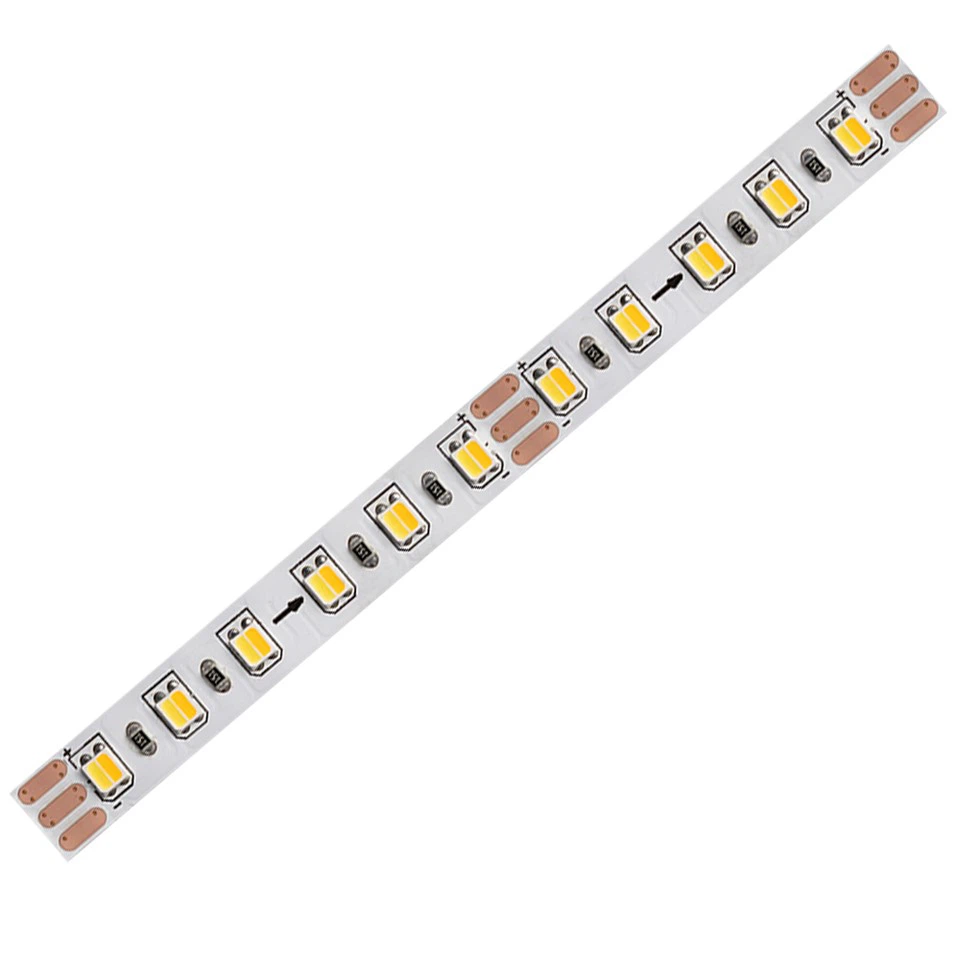
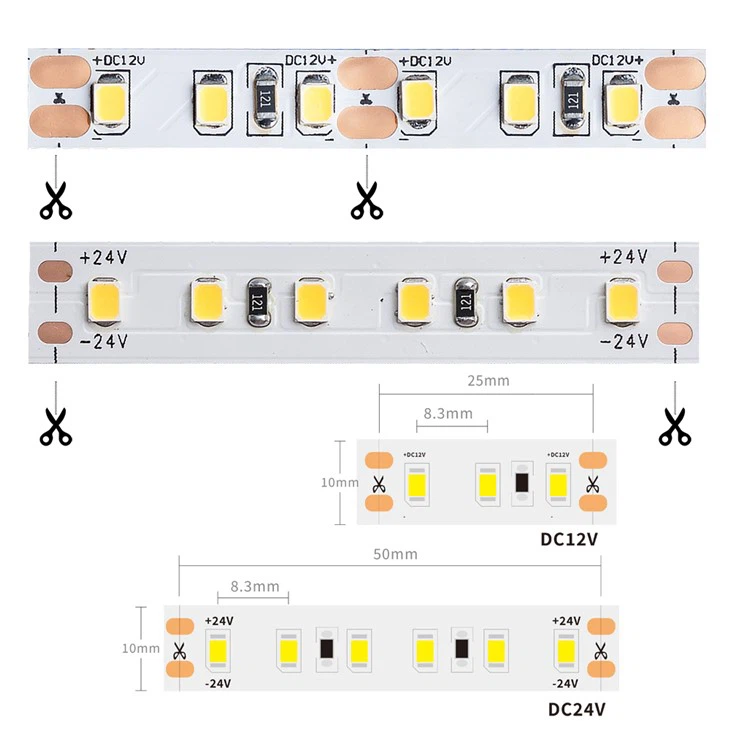
In contrast, the 2835 LED strip, especially the 120 LED version, offers a bit more flexibility in terms of brightness. The slightly larger size of the 2835 LEDs allows for more power to be packed into each one. This means that the 2835 LED Strip 120 LED can generally produce a brighter light compared to a 3528 LED strip with the same number of LEDs per meter.
Brightness and Light Output
When it comes to brightness, the 2835 LED Strip 120 LED really shines (pun intended). Each 2835 LED can handle more power, which translates to higher lumen output. Lumens are a measure of the total amount of visible light emitted by a source. So, if you need a lot of light, the 2835 LED Strip 120 LED is the way to go.
Let's say you're lighting up a large room or a commercial space. A 3528 LED strip might struggle to provide enough illumination. But with the 2835 LED Strip 120 LED, you can get a much brighter and more even light distribution. This is because the higher lumen output of each 2835 LED helps to cover a larger area more effectively.
However, it's not just about raw brightness. The quality of the light also matters. The 2835 LED Strip 120 LED typically offers a better color rendering index (CRI). CRI is a measure of how accurately a light source can reproduce the colors of objects compared to natural light. A higher CRI means that the colors of the objects illuminated by the LED strip will look more vibrant and true to life.
Energy Efficiency
Energy efficiency is a big deal these days, and both the 2835 LED strip and the 3528 LED strip are quite efficient compared to traditional lighting sources like incandescent bulbs. But the 2835 LED Strip 120 LED has an edge in this department.
Since each 2835 LED can produce more light with less power, you can achieve the same level of brightness as a 3528 LED strip using less energy. This not only saves you money on your electricity bill but also has a positive impact on the environment.
Let's do a quick comparison. If you have a project that requires a certain level of brightness, you might need to use more 3528 LEDs to get there. This means more power consumption. With the 2835 LED Strip 120 LED, you can use fewer LEDs to achieve the same result, which in turn reduces energy usage.
Durability and Lifespan
Both the 2835 LED strip and the 3528 LED strip are designed to be long-lasting. However, the 2835 LED Strip 120 LED generally has a longer lifespan. This is because the 2835 LEDs are built with better heat dissipation technology.
Heat is one of the biggest enemies of LEDs. When LEDs get too hot, their performance can degrade, and their lifespan can be shortened. The 2835 LEDs are designed to dissipate heat more effectively, which helps to keep them running at optimal performance for longer.
In addition, the 2835 LED Strip 120 LED is often made with higher-quality materials. This means that it's more resistant to damage from things like moisture, dust, and vibrations. So, if you're using the LED strip in a harsh environment, the 2835 LED Strip 120 LED is a more reliable choice.
Applications
The applications for the 2835 LED Strip 120 LED and the 3528 LED strip are quite similar, but there are some differences.
The 3528 LED strip is great for accent lighting. Its small size and relatively low brightness make it perfect for adding a subtle glow to a room. You can use it to highlight a piece of artwork, create a moody atmosphere in a bedroom, or add some charm to a patio.
On the other hand, the 2835 LED Strip 120 LED is more suitable for general lighting applications. It can be used to light up a large room, a commercial space, or even an outdoor area. For example, you could use it to illuminate a shopfront, a warehouse, or a backyard.
If you're interested in exploring more options, we also offer 2835 LED Strip 240 LED and Dual White 2835 LED Strip. These products offer even more brightness and color options to suit your specific needs.
Cost
Cost is always a factor when making a purchasing decision. Generally, the 3528 LED strip is a bit cheaper than the 2835 LED Strip 120 LED. This is because the 3528 LEDs are smaller and use less advanced technology.
However, when you consider the long-term benefits of the 2835 LED Strip 120 LED, such as its higher brightness, better energy efficiency, and longer lifespan, it can actually be a more cost-effective choice. You'll save money on your electricity bill over time, and you won't have to replace the LED strip as often.
Conclusion
So, there you have it! The main differences between the 2835 LED Strip 120 LED and the 3528 LED strip. In summary, the 2835 LED Strip 120 LED offers higher brightness, better energy efficiency, longer lifespan, and better color quality compared to the 3528 LED strip. While the 3528 LED strip is a more budget-friendly option and is great for subtle accent lighting, the 2835 LED Strip 120 LED is the way to go if you need a more powerful and reliable lighting solution.
If you're interested in purchasing 2835 LED Strip 120 LED or have any questions about our products, feel free to reach out. We'd be happy to discuss your specific needs and help you find the perfect LED strip for your project.
References
- General knowledge about LED technology and industry standards.
- In - house product testing and performance data.
