

How to check if an LED Back Light Bar is defective?
Tue 05,2025
Leave a message
As a seasoned supplier of LED Back Light Bars, I understand the importance of ensuring that these products meet the highest quality standards before they reach our customers. One of the key steps in this process is checking whether an LED Back Light Bar is defective. In this blog post, I'll share some effective methods to help you determine if an LED Back Light Bar is functioning properly.
Visual Inspection
The first step in checking an LED Back Light Bar is a thorough visual inspection. This can reveal obvious signs of damage or defects that might affect the performance of the light bar.
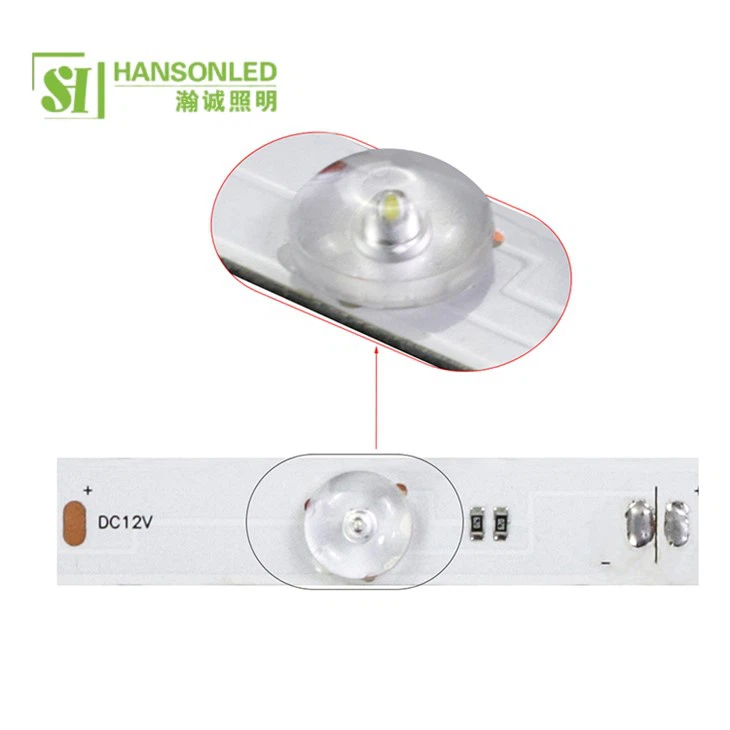
- Physical Damage: Carefully examine the entire length of the light bar for any visible cracks, breaks, or dents. Physical damage can not only compromise the structural integrity of the light bar but also lead to electrical issues. For example, a cracked PCB (Printed Circuit Board) may cause a short circuit, resulting in the failure of some or all of the LEDs.
- LED Appearance: Look closely at each individual LED on the light bar. Check for any discoloration, such as blackening or yellowing, which could indicate overheating or a manufacturing defect. Additionally, make sure that all the LEDs are properly seated in their sockets and that there are no loose or missing LEDs.
- Soldering Joints: Inspect the soldering joints on the PCB. Poor soldering can lead to intermittent connections or complete failure of the light bar. Look for any signs of cold solder joints, such as a dull or grainy appearance, or for solder bridges that may be shorting out adjacent components.
Electrical Testing
After a visual inspection, the next step is to conduct electrical tests to ensure that the LED Back Light Bar is receiving the correct power and that the LEDs are functioning as expected.
- Power Supply Check: Use a multimeter to measure the voltage at the input terminals of the light bar. Compare the measured voltage with the specified voltage rating of the light bar. If the voltage is significantly higher or lower than the rated value, it could indicate a problem with the power supply or a short circuit in the light bar.
- Continuity Test: Perform a continuity test on the PCB traces and the electrical connections between the LEDs. A continuity test checks if there is a complete electrical path between two points. Use a multimeter set to the continuity mode and touch the probes to the appropriate points on the PCB. If the multimeter beeps, it indicates that there is a continuous electrical path; if not, there may be a break in the circuit.
- LED Functionality Test: Connect the light bar to a suitable power supply and observe the LEDs. All the LEDs should light up evenly and with the same brightness. If any LEDs are not lighting up, are flickering, or are significantly dimmer than the others, it could indicate a defective LED or a problem with the electrical connection to that LED.
Performance Testing
In addition to visual and electrical tests, it's also important to perform performance tests to ensure that the LED Back Light Bar meets the required specifications.
- Brightness Measurement: Use a light meter to measure the brightness of the light bar at a specified distance and angle. Compare the measured brightness with the manufacturer's specifications. If the brightness is significantly lower than the specified value, it could indicate a problem with the LEDs or the power supply.
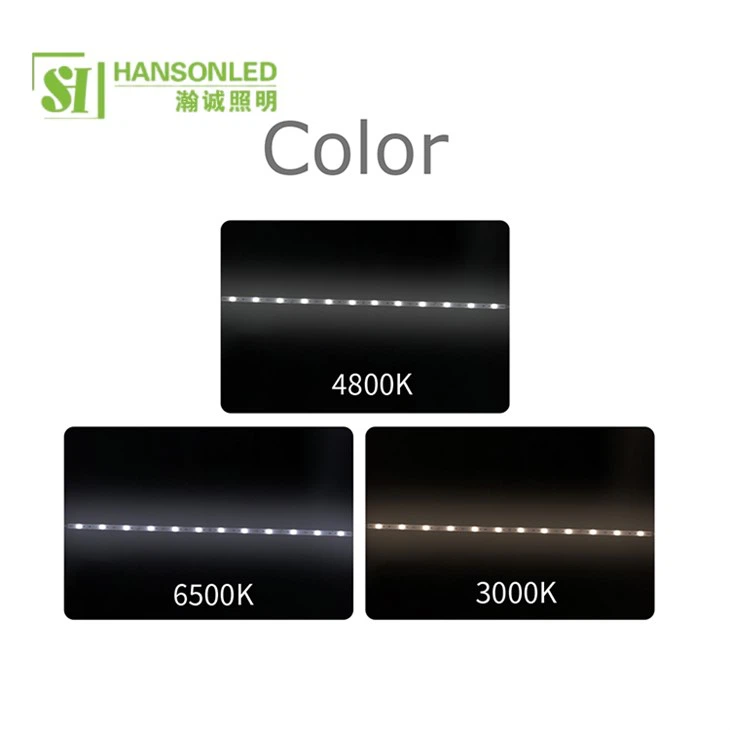
- Color Temperature and Color Rendering Index (CRI): For applications where color accuracy is important, such as in photography or display lighting, it's essential to measure the color temperature and CRI of the light bar. Use a colorimeter to measure these parameters and compare the results with the specified values. A low CRI value can result in poor color reproduction, while an incorrect color temperature can affect the overall appearance of the illuminated object.
- Lifetime Testing: Although it's not practical to perform a full lifetime test on every light bar, you can use accelerated aging tests to estimate the lifespan of the LEDs. This involves subjecting the light bar to elevated temperatures and currents for a specified period of time and then measuring the changes in brightness and other performance parameters.
Common Defects and Solutions
Despite our best efforts in manufacturing and quality control, some LED Back Light Bars may still develop defects. Here are some common defects and their possible solutions:
- Dead LEDs: If one or more LEDs are not lighting up, the most likely cause is a defective LED. In some cases, it may be possible to replace the defective LED with a new one. However, this requires some technical skills and the right tools. If the light bar is still under warranty, it's recommended to contact the manufacturer for a replacement.
- Flickering LEDs: Flickering LEDs can be caused by a variety of factors, including a loose electrical connection, a problem with the power supply, or a defective LED driver. Check all the electrical connections and make sure they are secure. If the problem persists, try using a different power supply or LED driver.
- Uneven Brightness: Uneven brightness can be caused by variations in the manufacturing process or by a problem with the electrical circuit. If the difference in brightness is minor, it may be acceptable for some applications. However, if the unevenness is significant, it may be necessary to replace the light bar.
Conclusion
Checking if an LED Back Light Bar is defective is an important step in ensuring the quality and performance of these products. By following the methods outlined in this blog post, you can effectively identify and address any issues before the light bars are installed or used in your applications.
If you're in the market for high-quality LED Light Bar or Waterproof LED Light Bar, we're here to help. Our LED Back Light Bars are manufactured using the latest technology and undergo rigorous quality control tests to ensure their reliability and performance. Contact us today to discuss your requirements and explore how our products can meet your needs.
References
- "LED Lighting Handbook" by John C. Laseter
- "Fundamentals of Lighting Technology" by Fred E. Hopson
