

Can the 3838 RGB LED Strip be bent?
Tue 26,2025
Leave a message
As a supplier of 3838 RGB LED strips, one question I often get asked is, "Can the 3838 RGB LED strip be bent?" This is a crucial query for many customers, especially those looking to use the LED strips in creative and non - traditional lighting applications. In this blog post, I'll explore the bending capabilities of the 3838 RGB LED strip, backed by scientific and practical insights.
Understanding the 3838 RGB LED Strip
Before delving into its bending properties, let's first understand what the 3838 RGB LED strip is. The 3838 RGB LED Strip is a type of flexible lighting product that combines red, green, and blue LEDs in a single strip. It's known for its vibrant color mixing capabilities, energy efficiency, and long lifespan. The "3838" in its name typically refers to the size or specification of the LED chips used on the strip.
These LED strips are commonly used in a variety of settings, from home decoration to commercial lighting projects. They can be used to create mood lighting, highlight architectural features, or add a splash of color to any space.
The Structure of the 3838 RGB LED Strip
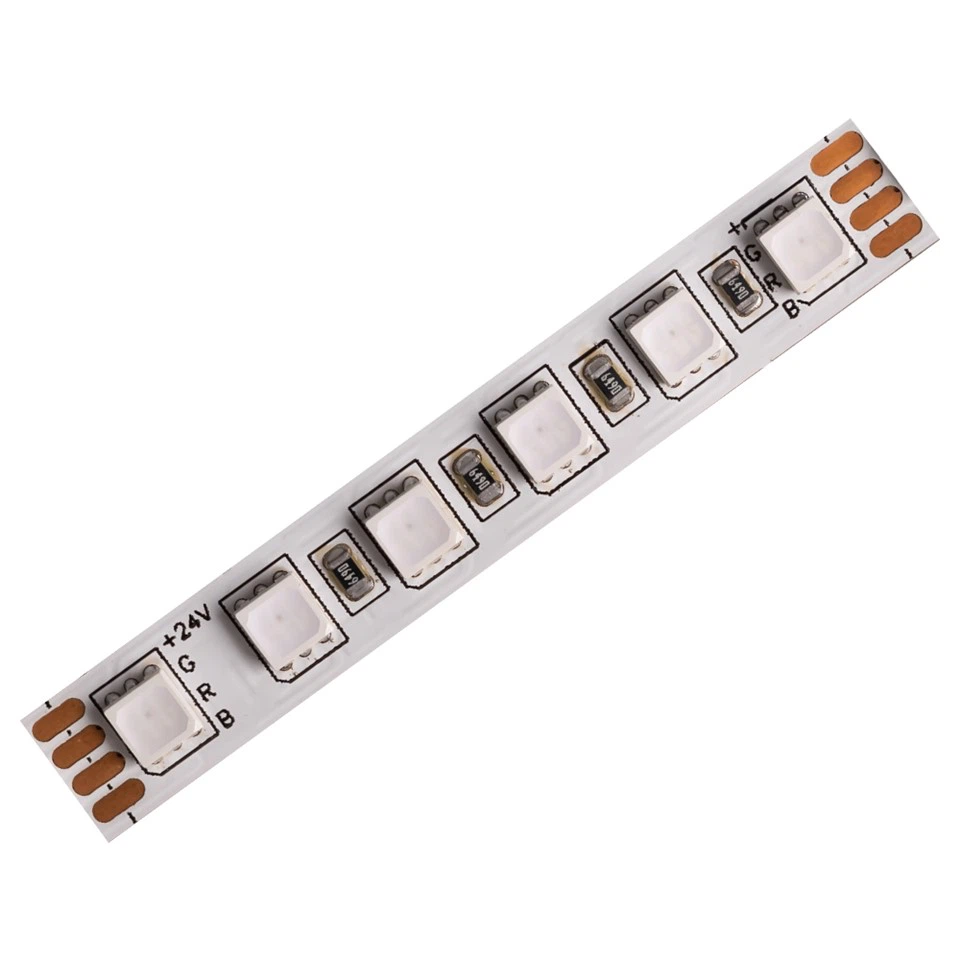
To understand its bending capabilities, we need to look at its internal structure. The 3838 RGB LED strip consists of multiple components. At its core, there are the LED chips, which are soldered onto a flexible printed circuit board (PCB). The PCB is designed to be flexible to a certain extent, allowing the strip to be bent.
The PCB is coated with a protective layer, which not only shields the LED chips from environmental factors like dust and moisture but also provides some degree of mechanical support. Additionally, there are conductive traces on the PCB that carry the electrical current to power the LEDs.
Bending Capabilities of the 3838 RGB LED Strip
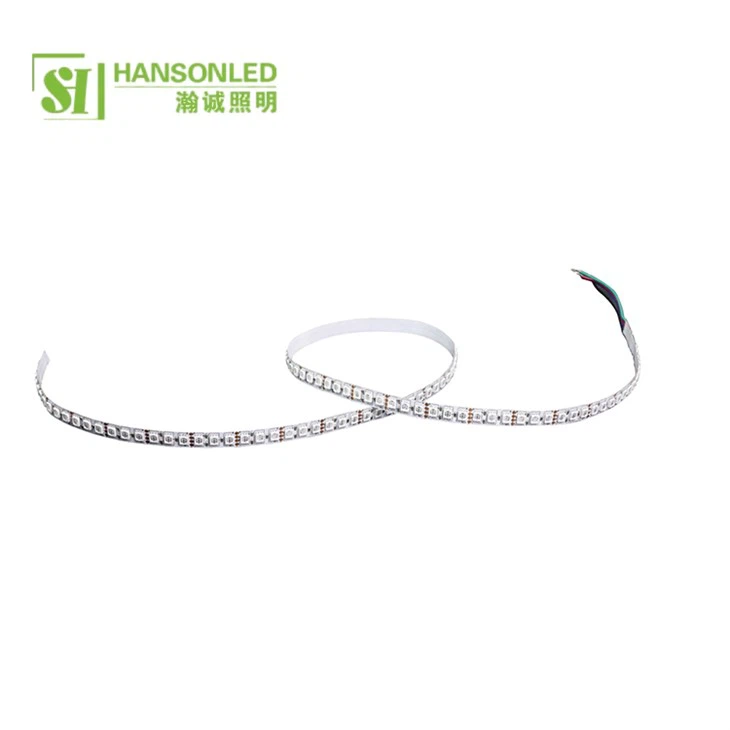
The good news is that the 3838 RGB LED strip is indeed bendable. Thanks to the flexible PCB design, it can be bent to a certain radius without causing damage to the LEDs or the electrical connections. However, there are limits to how much it can be bent.
Minimum Bending Radius
Every 3838 RGB LED strip has a minimum bending radius. This is the smallest radius that the strip can be bent around without risking damage. The minimum bending radius typically depends on the width and thickness of the PCB, as well as the quality of the soldering of the LED chips.
For most standard 3838 RGB LED strips, the minimum bending radius is around 20 - 30 millimeters. This means that you can bend the strip around a cylinder or a curved surface with a radius of at least 20 - 30 millimeters without any issues. If you try to bend it to a smaller radius, you may damage the PCB, break the conductive traces, or even dislodge the LED chips.
Bending Direction
It's also important to note that the 3838 RGB LED strip is usually more flexible in one direction. In most cases, it can be bent more easily along the length of the strip rather than across its width. Bending it across the width may put more stress on the PCB and the soldered components, increasing the risk of damage.
Factors Affecting Bending
Several factors can affect the bending capabilities of the 3838 RGB LED strip.
Temperature
Temperature plays a significant role. At lower temperatures, the PCB becomes more brittle, reducing its flexibility. This means that bending the strip in cold environments may require a larger minimum bending radius to avoid damage. On the other hand, at higher temperatures, the PCB may become more flexible, but excessive heat can also affect the performance and lifespan of the LEDs.
Installation Method
The way the LED strip is installed can also impact its bending. If the strip is glued or taped down too tightly, it may limit its ability to bend smoothly. It's important to use a flexible adhesive or mounting method that allows the strip to bend as needed.
Quality of the LED Strip
The quality of the 3838 RGB LED strip itself is a crucial factor. Higher - quality strips are usually made with better - quality PCBs and more reliable soldering techniques. These strips are generally more flexible and can withstand bending better than lower - quality alternatives.
Practical Applications of Bending the 3838 RGB LED Strip
The ability to bend the 3838 RGB LED strip opens up a wide range of creative applications.
Decorative Lighting
In home decoration, you can bend the strip around furniture, such as the edges of a coffee table or the frame of a mirror, to create a soft, ambient glow. You can also use it to outline the shape of a wall or a ceiling, adding a unique visual element to the room.
Architectural Lighting
In commercial and architectural projects, the bendable nature of the 3838 RGB LED strip is invaluable. It can be used to highlight curved architectural features, such as columns or arches. By bending the strip to match the curvature of these elements, you can create a seamless and visually appealing lighting effect.
Comparing with Other LED Strips
It's interesting to compare the bending capabilities of the 3838 RGB LED strip with other types of LED strips, such as the RGB LED Strip 120 LED and the RGBW LED Strip.
The RGB LED Strip 120 LED, with its higher density of LEDs, may have a slightly different bending characteristic. The increased number of LEDs can add more weight and stress to the PCB, potentially reducing its flexibility. However, if it's designed with a high - quality flexible PCB, it can still be bent to a reasonable radius.
The RGBW LED Strip, which includes an additional white LED in each module, also has its own bending properties. Similar to the 3838 RGB LED strip, it can be bent, but the presence of the extra LED may require a slightly larger minimum bending radius to ensure the integrity of the electrical connections.
Tips for Bending the 3838 RGB LED Strip
If you're planning to bend the 3838 RGB LED strip, here are some tips to ensure a successful installation:
- Measure the Bending Radius: Before bending the strip, measure the radius of the surface you want to bend it around. Make sure it's larger than the minimum bending radius specified by the manufacturer.
- Use a Template: If you're bending the strip to a complex shape, it can be helpful to use a template. You can create a template out of cardboard or other flexible materials and use it as a guide to bend the strip accurately.
- Test the Bending: Before installing the strip permanently, do a test bend to make sure it can be bent without any issues. If you notice any signs of damage, such as broken traces or dislodged LEDs, do not use the strip.
Contact for Procurement
If you're interested in purchasing the 3838 RGB LED strip for your lighting projects, whether it's for home decoration or a large - scale commercial application, we're here to help. Our team of experts can provide you with detailed information about the product, including its bending capabilities, technical specifications, and installation guidelines. We offer high - quality 3838 RGB LED strips at competitive prices. Contact us to start a procurement discussion and bring your lighting ideas to life.
References
- LED Lighting Handbook, 2nd Edition
- Flexible Printed Circuit Board Design and Manufacturing Guide
