

Can LED Back Light Bars be dimmed?
Tue 26,2025
Leave a message
As a supplier of LED Back Light Bars, I often get asked a crucial question by our customers: Can LED Back Light Bars be dimmed? This question is not only relevant to the functionality of the lighting but also to the overall user experience and energy - saving potential. In this blog, I'll dive deep into the topic to provide you with a comprehensive understanding.
The Basics of LED Back Light Bars
Before we discuss dimming, let's briefly understand what LED Back Light Bars are. LED Back Light Bars are a type of lighting product that uses light - emitting diodes (LEDs) as the light source. They are commonly used for various applications, including backlighting for TVs, monitors, signage, and decorative lighting. These bars are known for their energy efficiency, long lifespan, and high - quality light output.
There are different types of LED Back Light Bars available in the market. For instance, you can check out our LED Light Bar which offers a wide range of options suitable for different needs. Our CCT LED Lens Bar, Dual Color Led Lens Bar, color Changeable Lens Bar provides flexibility in terms of color temperature and color change, while the Waterproof LED Light Bar is perfect for outdoor or wet - environment applications.
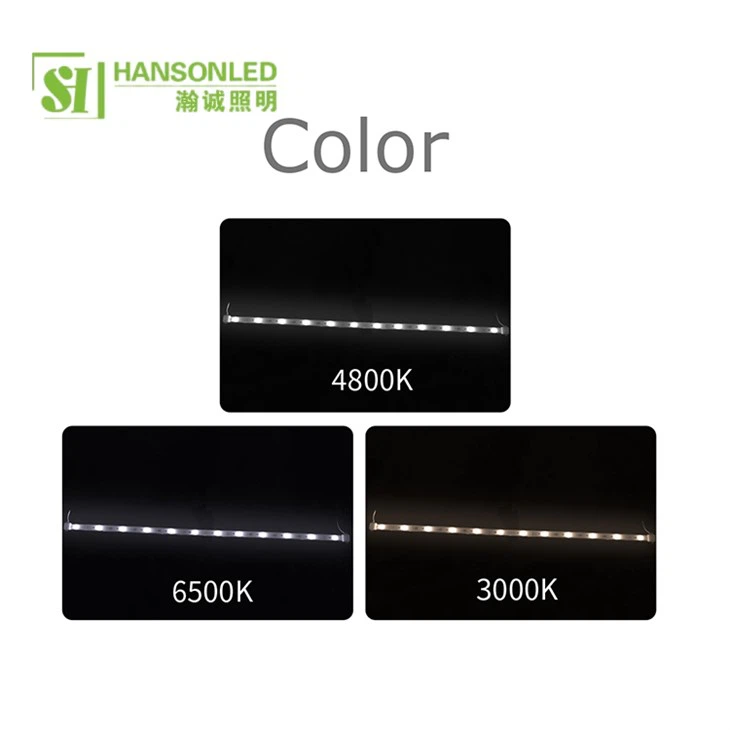
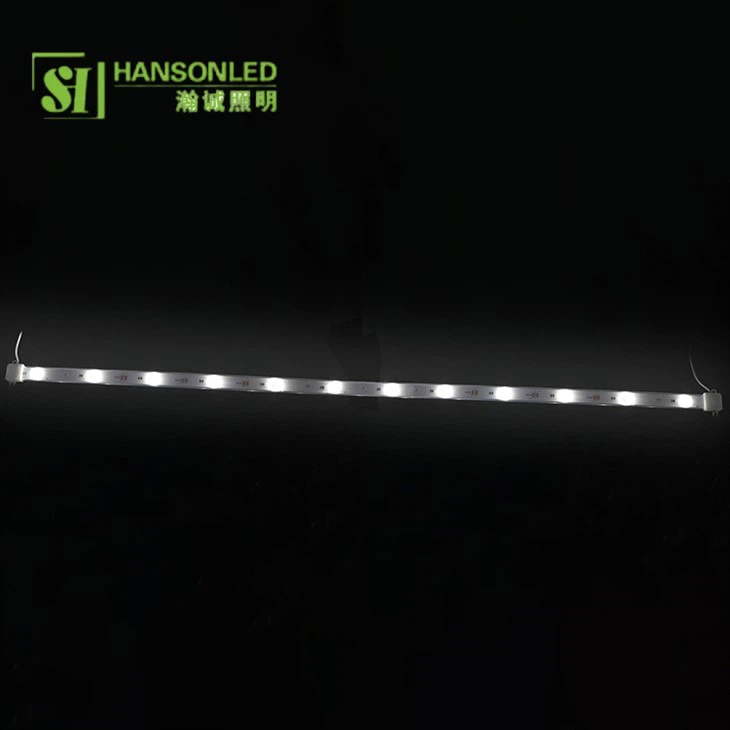
Can LED Back Light Bars be Dimmed?
The short answer is yes, LED Back Light Bars can be dimmed. However, there are several factors to consider when it comes to dimming these light bars.
Compatibility with Dimming Systems
Not all LED Back Light Bars are inherently dimmable. It depends on their design and the components used. For a LED Back Light Bar to be dimmed, it needs to be compatible with a dimming system. There are different types of dimming systems available, such as:
- Pulse Width Modulation (PWM) Dimming: This is a common method used for dimming LEDs. In PWM dimming, the power to the LEDs is rapidly turned on and off at a high frequency. The human eye perceives this as a change in brightness because the average power delivered to the LEDs is adjusted. Our LED Back Light Bars are designed to be compatible with PWM dimming systems in many cases, allowing for smooth and efficient dimming.
- Analog Dimming: In analog dimming, the voltage supplied to the LEDs is adjusted. This method is simpler but may have some limitations in terms of the dimming range and the quality of the dimming. Some of our more basic LED Back Light Bars can support analog dimming, providing a cost - effective dimming solution.
Dimming Range
The dimming range of an LED Back Light Bar refers to the minimum and maximum brightness levels that can be achieved. A good dimming range is important for creating the desired lighting effects. For example, in a home theater setting, you may want to dim the backlighting to a very low level for a more immersive experience. Our high - quality LED Back Light Bars typically offer a wide dimming range, from near - complete darkness to full brightness, allowing for precise control over the lighting.
Color Consistency
When dimming LED Back Light Bars, it's important to maintain color consistency. Some dimming methods may cause a shift in the color temperature or color rendering index (CRI) of the light. Our products are engineered to minimize these color shifts, ensuring that the light maintains its intended color characteristics even when dimmed. This is particularly important in applications where color accuracy is crucial, such as in photography studios or art galleries.
Benefits of Dimming LED Back Light Bars
There are several benefits to using dimmable LED Back Light Bars:
- Energy Savings: By dimming the LED Back Light Bars, you can reduce the power consumption. This is especially useful in applications where full brightness is not always required, such as in offices during non - peak hours or in residential settings at night. Energy savings not only help the environment but also reduce your electricity bills.
- Enhanced Ambiance: Dimmable LED Back Light Bars allow you to create different lighting atmospheres. You can adjust the brightness to suit the mood of the occasion, whether it's a romantic dinner, a party, or a relaxing evening at home.
- Extended Lifespan: Operating LEDs at lower brightness levels can extend their lifespan. Since the LEDs are not constantly operating at full power, they experience less stress, which can lead to a longer service life.
Considerations When Using Dimmable LED Back Light Bars
While dimmable LED Back Light Bars offer many advantages, there are also some considerations to keep in mind:
- Dimmer Compatibility: As mentioned earlier, the LED Back Light Bar needs to be compatible with the dimming system. It's important to choose a dimmer that is specifically designed for LED lighting to ensure proper operation.
- Flicker: Some dimming systems may cause the LEDs to flicker, especially at low brightness levels. This can be annoying and may even cause eye strain. Our products are tested to minimize flicker, providing a comfortable and stable lighting experience.
- Installation: Proper installation is crucial for the dimming functionality of LED Back Light Bars. Incorrect wiring or improper grounding can lead to dimming issues. It's recommended to have a professional install the LED Back Light Bars and the dimming system to ensure everything works correctly.
Conclusion
In conclusion, LED Back Light Bars can indeed be dimmed, offering a range of benefits in terms of energy savings, ambiance creation, and extended lifespan. As a supplier of LED Back Light Bars, we are committed to providing high - quality products that are compatible with various dimming systems and offer excellent dimming performance.
If you are interested in purchasing our LED Back Light Bars or have any questions about dimming or our products in general, we encourage you to contact us for a detailed discussion. Our team of experts is ready to assist you in finding the perfect LED Back Light Bar solution for your needs.
References
- "LED Lighting Handbook" by John Bower
- "Lighting Technology: A Guide to Lamps and Lamp Control" by Michael Royer
