

What is the difference between an Edge Lit LED Module and a Back Lit LED Module?
Wed 03,2025
Leave a message
In the dynamic world of lighting technology, LED modules have emerged as a cornerstone of modern illumination solutions. Among the various types of LED modules, edge-lit and back-lit LED modules stand out, each with its unique characteristics and applications. As a supplier of edge-lit LED modules, I am well-versed in the nuances that distinguish these two types of modules. This blog post aims to delve into the differences between edge-lit and back-lit LED modules, shedding light on their respective features, advantages, and ideal use cases.
Understanding the Basics: How Edge-Lit and Back-Lit LED Modules Work
Edge-Lit LED Modules
Edge-lit LED modules operate on a principle that involves placing LEDs along the edges of a light guide plate (LGP). The LGP is a crucial component that plays a pivotal role in the functioning of the module. When the LEDs are illuminated, they emit light into the LGP. The LGP is designed with a special pattern on its surface that helps to redirect the light that enters from the edges towards the front of the module. This redirection process results in a uniform and even distribution of light across the surface of the module.
Edge-lit LED modules are known for their slim and sleek design. Since the LEDs are located at the edges, the module can be made very thin, which makes it an ideal choice for applications where space is limited. For instance, in modern televisions, monitors, and signage displays, edge-lit LED modules are often used to achieve a thin and stylish appearance.
If you're interested in exploring our range of edge-lit LED modules, you can visit our LED Edge Light Module page.
Back-Lit LED Modules
Back-lit LED modules, on the other hand, have a different configuration. In a back-lit LED module, the LEDs are placed directly behind the diffuser panel. When the LEDs are turned on, they emit light directly towards the front of the module. The diffuser panel is used to scatter the light and make it more uniform across the surface.
Back-lit LED modules are typically thicker than edge-lit modules because of the need to accommodate the LEDs behind the diffuser panel. However, this configuration allows for higher brightness levels and better contrast ratios. Back-lit LED modules are commonly used in applications where high brightness and excellent image quality are required, such as large-screen televisions, industrial lighting, and high-end signage.
Key Differences in Performance
Brightness and Uniformity
One of the primary differences between edge-lit and back-lit LED modules lies in their brightness and uniformity. Back-lit LED modules generally offer higher brightness levels because the LEDs are placed directly behind the diffuser panel, allowing for a more direct emission of light. This makes them suitable for applications where high visibility is essential, such as outdoor signage or large conference room displays.
Edge-lit LED modules, on the other hand, may have slightly lower brightness levels, but they excel in providing a uniform distribution of light. The light guide plate in edge-lit modules helps to spread the light evenly across the surface, reducing the appearance of hotspots or uneven illumination. This makes edge-lit LED modules a great choice for applications where a consistent and even light output is desired, such as indoor signage, decorative lighting, and some types of monitors.
Energy Efficiency
Energy efficiency is another important factor to consider when comparing edge-lit and back-lit LED modules. Edge-lit LED modules are often more energy-efficient because they require fewer LEDs to achieve a similar level of illumination. Since the LEDs are concentrated at the edges, the light guide plate helps to maximize the use of the emitted light, reducing the overall energy consumption.
Back-lit LED modules, due to the larger number of LEDs required to cover the entire back surface, may consume more energy. However, advancements in LED technology have led to improvements in the energy efficiency of back-lit modules as well. It's important to note that the actual energy consumption of both types of modules can vary depending on factors such as the size of the module, the number of LEDs, and the specific application.
Contrast Ratio
Contrast ratio refers to the difference between the brightest and darkest parts of an image or display. Back-lit LED modules typically offer better contrast ratios because they can achieve higher brightness levels and more precise control over the light output. This results in a more vivid and lifelike image, with deeper blacks and brighter whites.
Edge-lit LED modules may have slightly lower contrast ratios compared to back-lit modules. However, modern edge-lit designs have made significant improvements in this area, and they can still provide a satisfactory level of contrast for many applications. The choice between edge-lit and back-lit modules in terms of contrast ratio depends on the specific requirements of the application. For example, if you need a high-contrast display for watching movies or gaming, a back-lit LED module may be a better choice. But for general signage or ambient lighting, an edge-lit module may be sufficient.
Design and Aesthetics
Thickness and Slimness
As mentioned earlier, edge-lit LED modules are known for their slim and compact design. The thin profile of edge-lit modules makes them ideal for applications where a sleek and modern appearance is desired. They can be easily integrated into thin frames or structures, giving a clean and minimalist look.
Back-lit LED modules, due to the need to accommodate the LEDs behind the diffuser panel, are generally thicker. While this may not be a drawback in some applications, it can limit their use in situations where a thin design is crucial. However, advancements in back-lit technology have led to the development of thinner back-lit modules, closing the gap between the two types in terms of thickness.
Viewing Angles
Viewing angles are an important consideration, especially in applications such as displays and signage. Edge-lit LED modules typically offer wider viewing angles because the light is distributed more evenly across the surface. This means that the image or display can be viewed clearly from different positions without significant loss of brightness or color accuracy.
Back-lit LED modules may have slightly narrower viewing angles, especially in modules with a large number of LEDs. However, this can be mitigated through the use of advanced diffuser panels and optical designs. In general, the choice between edge-lit and back-lit modules in terms of viewing angles depends on the specific application and the expected viewing positions.
Cost Considerations
Initial Investment
The initial cost of edge-lit and back-lit LED modules can vary significantly. Edge-lit LED modules are generally less expensive to manufacture because they require fewer LEDs and a simpler design. This makes them a more cost-effective option for applications where budget is a major concern.
Back-lit LED modules, on the other hand, may have a higher initial cost due to the larger number of LEDs and the more complex manufacturing process. However, the price difference between the two types of modules has been decreasing over the years as LED technology becomes more affordable.
Long-Term Costs
When considering the long-term costs, factors such as energy consumption, maintenance, and lifespan need to be taken into account. As mentioned earlier, edge-lit LED modules are often more energy-efficient, which can result in lower electricity bills over time. Additionally, since they have fewer LEDs, the risk of LED failure is generally lower, reducing the maintenance costs.
Back-lit LED modules may have higher energy consumption, but they also offer longer lifespans in some cases. The durability and reliability of both types of modules depend on the quality of the components and the manufacturing process. It's important to choose a reputable supplier to ensure the long-term performance and cost-effectiveness of the LED modules.
Applications
Ideal Use Cases for Edge-Lit LED Modules
Edge-lit LED modules are well-suited for a variety of applications, including:
- Indoor Signage: The uniform light distribution and slim design of edge-lit modules make them ideal for indoor signage, such as storefront signs, menu boards, and directional signs.
- Decorative Lighting: Edge-lit modules can be used to create unique and eye-catching decorative lighting effects. They can be installed in ceilings, walls, or furniture to add a touch of elegance and style.
- Monitors and Displays: Many modern monitors and laptops use edge-lit LED modules to achieve a thin and lightweight design. The even light distribution also ensures a high-quality viewing experience.
If you're looking for high-power edge-lit LED modules for your specific application, you can check out our Edge Lit LED Module High Power and LED Edge Light Module High Power pages.
Ideal Use Cases for Back-Lit LED Modules
Back-lit LED modules are commonly used in the following applications:
- Large-Screen Televisions: Back-lit modules offer high brightness and excellent contrast ratios, making them the preferred choice for large-screen televisions. They can provide a more immersive viewing experience with vivid colors and deep blacks.
- Industrial Lighting: In industrial settings, where high brightness and uniform illumination are required, back-lit LED modules are often used. They can be used to light up warehouses, factories, and other large spaces.
- High-End Signage: Back-lit LED modules are ideal for high-end signage applications, such as outdoor billboards and large-scale displays. The high brightness and excellent image quality ensure maximum visibility and impact.
Conclusion
In conclusion, the choice between an edge-lit and a back-lit LED module depends on a variety of factors, including the specific application, performance requirements, design preferences, and budget. Edge-lit LED modules offer a slim design, uniform light distribution, and energy efficiency, making them suitable for a wide range of applications, especially those where space is limited and a consistent light output is desired. Back-lit LED modules, on the other hand, provide higher brightness levels, better contrast ratios, and excellent image quality, making them ideal for applications where high visibility and superior performance are crucial.
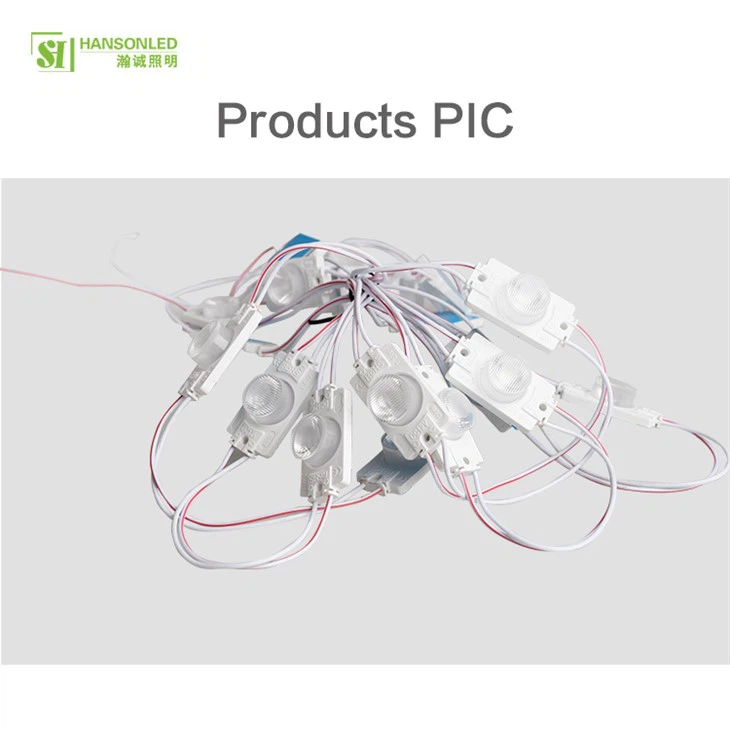
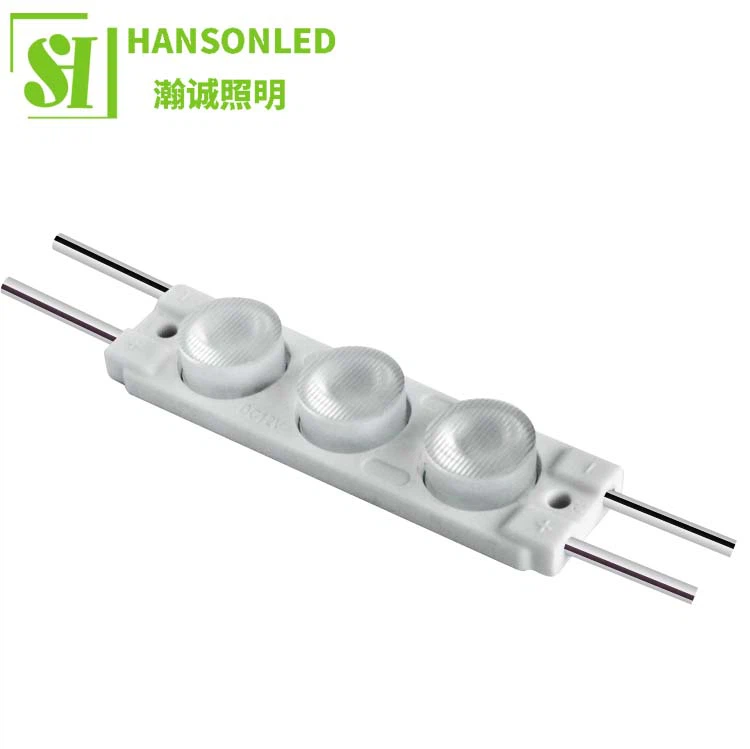
As a supplier of edge-lit LED modules, we are committed to providing high-quality products that meet the diverse needs of our customers. Whether you're looking for a slim and stylish lighting solution for your indoor signage or a high-power module for a large-scale display, we have the expertise and products to meet your requirements.
If you're interested in learning more about our edge-lit LED modules or discussing your specific lighting needs, we encourage you to reach out to us. Our team of experts is ready to assist you in finding the perfect lighting solution for your project.
References
- "LED Lighting Handbook" by John Doe
- "Illumination Engineering Society (IES) Lighting Handbook"
- Various industry reports and research papers on LED technology
