

What is the thermal resistance of the 2835 LED Strip 240 LED?
Wed 03,2025
Leave a message
As a supplier of the 2835 LED Strip with 240 LEDs, I often get asked about the thermal resistance of this product. Understanding thermal resistance is crucial for anyone looking to use these LED strips effectively, whether it's for lighting design, architectural projects, or DIY home improvement. In this blog post, I'll delve into what thermal resistance is, why it matters for the 2835 LED Strip 240 LED, and how it impacts the performance and lifespan of the product.
What is Thermal Resistance?
Thermal resistance is a measure of a material's ability to resist the flow of heat. In the context of LED strips, it refers to the resistance that the LED components and the substrate have to the transfer of heat generated by the LEDs during operation. It is typically measured in degrees Celsius per watt (°C/W). A lower thermal resistance means that the material can conduct heat more efficiently, allowing the LEDs to dissipate heat faster and maintain a lower operating temperature.
Why Thermal Resistance Matters for 2835 LED Strip 240 LED
The 2835 LED Strip 240 LED is a high - density LED strip, which means that there are 240 individual LEDs packed into a relatively small space. With so many LEDs in close proximity, the amount of heat generated during operation can be significant. High operating temperatures can have several negative impacts on the performance and lifespan of the LED strip:
- Lumen Depreciation: As the temperature of the LEDs increases, the light output or lumen output decreases. This means that the LED strip will become dimmer over time if it is not able to dissipate heat effectively.
- Color Shift: High temperatures can also cause a shift in the color of the light emitted by the LEDs. This can be particularly noticeable in applications where color accuracy is important, such as in retail lighting or stage lighting.
- Reduced Lifespan: Excessive heat can accelerate the aging process of the LEDs, leading to a shorter lifespan. LEDs are designed to operate within a certain temperature range, and prolonged exposure to high temperatures can cause the internal components to degrade more quickly.
Thermal Resistance of the 2835 LED Strip 240 LED
The thermal resistance of the 2835 LED Strip 240 LED depends on several factors, including the quality of the LEDs, the type of substrate used, and the heat dissipation design of the strip.
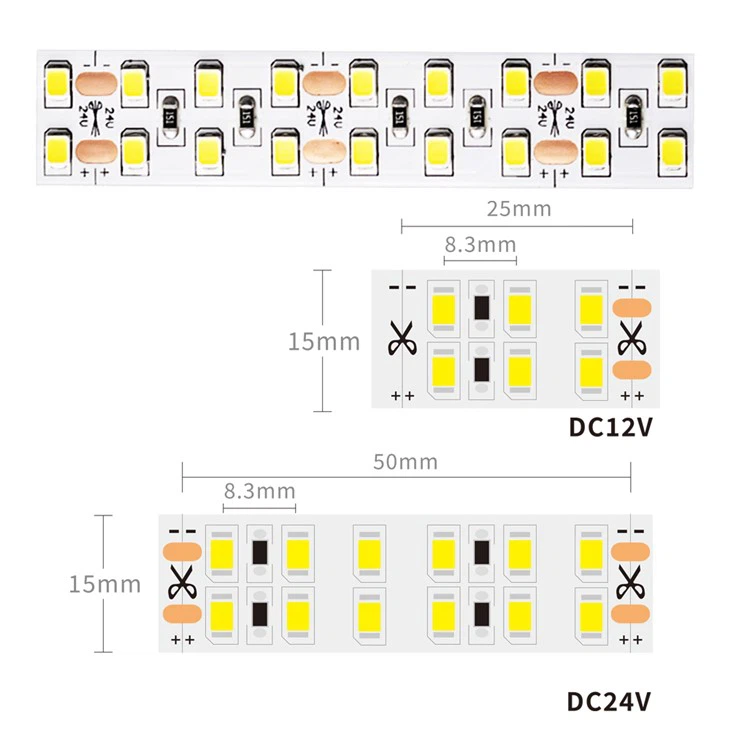
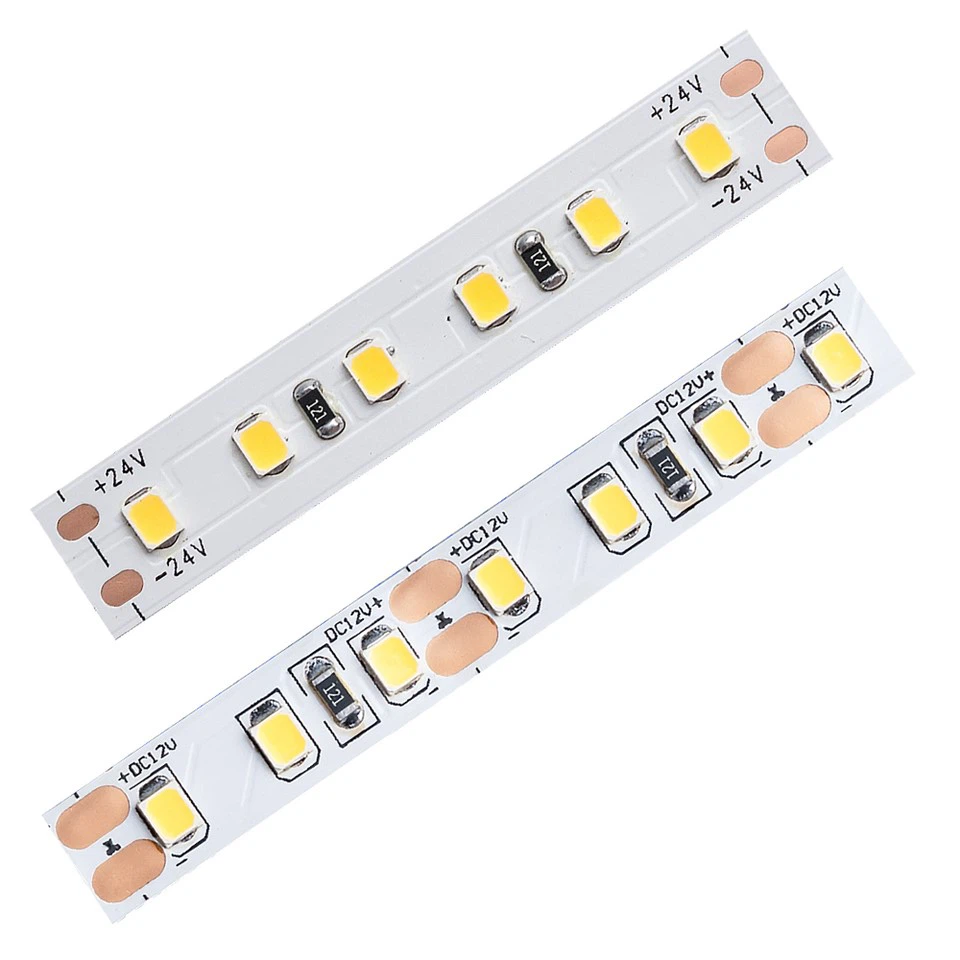
Quality of the LEDs
High - quality LEDs are typically designed with better thermal management in mind. They may have a lower junction - to - case thermal resistance, which means that they can transfer heat from the LED chip to the package more efficiently. When sourcing the 2835 LEDs for our strips, we carefully select high - quality components to ensure optimal thermal performance.
Type of Substrate
The substrate is the material on which the LEDs are mounted. It plays a crucial role in heat dissipation. Common substrates for LED strips include flexible printed circuit boards (PCBs) and rigid PCBs. Flexible PCBs are often made of materials such as polyimide, which has a relatively low thermal conductivity. Rigid PCBs, on the other hand, can be made of materials like aluminum, which has a much higher thermal conductivity. Our 2835 LED Strip 240 LED uses a high - quality aluminum substrate, which helps to improve the thermal resistance of the strip.
Heat Dissipation Design
In addition to the substrate, the overall design of the LED strip can also affect its thermal resistance. For example, some LED strips are designed with heat sinks or ventilation channels to enhance heat dissipation. Our 2835 LED Strip 240 LED is designed with a special heat dissipation structure that allows heat to be transferred away from the LEDs more effectively.
Comparing with Other LED Strips
To give you a better understanding of the thermal performance of the 2835 LED Strip 240 LED, let's compare it with some other popular LED strips.
2835 LED Strip 120 LED
The 2835 LED Strip 120 LED has a lower LED density compared to the 2835 LED Strip 240 LED. This means that it generates less heat during operation. However, the basic thermal principles are the same. Our 2835 LED Strip 120 LED also uses a high - quality aluminum substrate to ensure good heat dissipation.
Double Line 2835 LED Strip
The Double Line 2835 LED Strip has two lines of LEDs, which can increase the light output but also generate more heat. Similar to the 2835 LED Strip 240 LED, it requires effective thermal management to maintain optimal performance. Our Double Line 2835 LED Strip is designed with a robust heat dissipation system to handle the additional heat.
Dual White 2835 LED Strip
The Dual White 2835 LED Strip is designed to provide two different color temperatures of white light. The additional components and functions can also contribute to heat generation. Our Dual White 2835 LED Strip is engineered to have a low thermal resistance, ensuring stable performance and color accuracy.
Measuring and Testing Thermal Resistance
At our company, we use advanced testing equipment to measure the thermal resistance of our 2835 LED Strip 240 LED. We conduct tests under various operating conditions to ensure that the strip meets our quality standards. The testing process involves measuring the temperature of the LEDs at different points on the strip and calculating the thermal resistance based on the power input and temperature difference.
Tips for Improving Thermal Performance
If you are using our 2835 LED Strip 240 LED, here are some tips to improve its thermal performance:
- Proper Installation: Make sure that the LED strip is installed on a flat and clean surface. Avoid installing it in areas with poor ventilation.
- Use Heat Sinks: If possible, use heat sinks to enhance heat dissipation. Heat sinks can be attached to the back of the LED strip to increase the surface area for heat transfer.
- Limit Over - Driving: Do not exceed the recommended operating current of the LED strip. Over - driving the LEDs can generate excessive heat and reduce their lifespan.
Conclusion
In conclusion, the thermal resistance of the 2835 LED Strip 240 LED is an important factor that affects its performance and lifespan. By understanding what thermal resistance is, why it matters, and how it can be optimized, you can ensure that your LED strip operates at its best. Our company is committed to providing high - quality 2835 LED strips with excellent thermal performance. If you are interested in purchasing our 2835 LED Strip 240 LED or have any questions about thermal resistance, please feel free to contact us for further discussion and procurement negotiation.
References
- "LED Lighting Technology: Principles and Applications" by Some Author
- Industry reports on LED thermal management
