

How to repair a faulty Edge Lit LED Module?
Mon 08,2025
Leave a message
Hey there! As a supplier of Edge Lit LED Modules, I've seen my fair share of faulty modules come across my desk. Trust me, it can be a real headache when your LED module starts acting up. But don't worry, I'm here to walk you through the process of repairing a faulty Edge Lit LED Module. By the end of this blog, you'll be well on your way to getting your module back in working order.
Step 1: Diagnosis
The first thing you need to do when dealing with a faulty Edge Lit LED Module is to figure out what's wrong. There are a few common issues that can cause problems with these modules, and by identifying the root cause, you can save yourself a lot of time and effort.
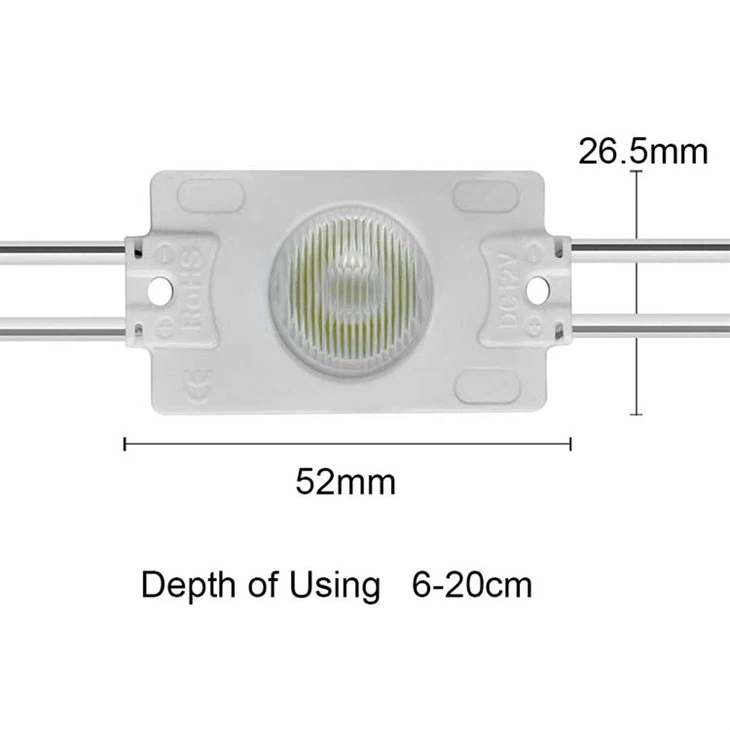
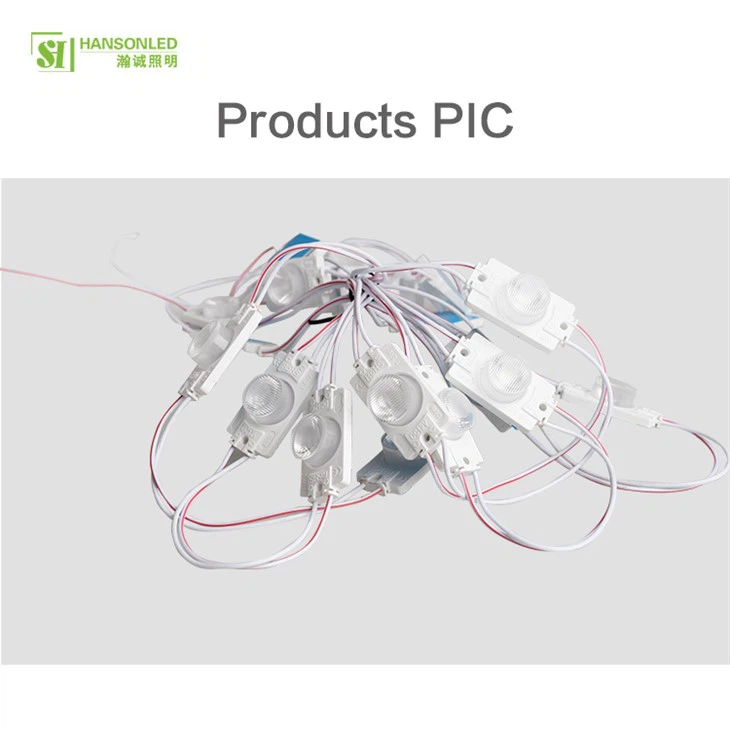
- Check the Power Supply
- The most basic thing to check is the power supply. Make sure that the module is properly plugged in and that the power source is working. You can use a multimeter to test the voltage at the input of the module. If the voltage is not within the specified range, there could be a problem with the power supply or the wiring.
- Inspect the LEDs
- Take a close look at the individual LEDs on the module. Are any of them not lighting up? If so, it could be a sign that the LED is burned out. You can try to visually inspect the LEDs for any signs of damage, such as black spots or discoloration.
- Look for Loose Connections
- Check all the connections on the module, including the wires, connectors, and solder joints. Loose connections can cause intermittent problems or prevent the module from working altogether. Make sure that all the connections are secure and that there are no frayed wires.
Step 2: Gather Your Tools
Once you've diagnosed the problem, it's time to gather the tools you'll need to make the repair. Here are some of the basic tools you'll likely need:
- Soldering Iron
- A soldering iron is essential for making electrical connections and repairing solder joints. Make sure you have a soldering iron with the appropriate wattage for the job.
- Solder
- You'll need solder to make the electrical connections. Choose a high-quality solder that is suitable for electronics work.
- Wire Cutters and Strippers
- These tools are used to cut and strip the wires. Make sure you have a good pair of wire cutters and strippers that are sharp and easy to use.
- Multimeter
- A multimeter is used to measure voltage, current, and resistance. It's a handy tool for troubleshooting electrical problems.
- Screwdrivers
- Depending on the design of the module, you may need a screwdriver to open the housing and access the internal components.
Step 3: Replace Faulty Components
If you've identified a faulty component, such as a burned-out LED or a damaged capacitor, you'll need to replace it. Here's how you can do it:
- Remove the Old Component
- Use the soldering iron to heat up the solder joints on the component you want to remove. Once the solder has melted, use a pair of tweezers or a desoldering pump to remove the component from the circuit board.
- Clean the Solder Pads
- After removing the old component, use a desoldering braid or a solder sucker to clean the solder pads on the circuit board. This will ensure that the new component makes a good electrical connection.
- Install the New Component
- Place the new component in the correct position on the circuit board and use the soldering iron to solder it in place. Make sure that the component is oriented correctly and that the solder joints are clean and smooth.
Step 4: Test the Module
Once you've made the repairs, it's time to test the module to make sure it's working properly. Here's how you can do it:
- Reconnect the Power Supply
- Make sure that all the connections are secure and that the module is properly plugged in. Turn on the power supply and see if the module lights up.
- Check the Functionality
- If the module lights up, check to see if it's functioning correctly. Does it produce the correct amount of light? Are all the LEDs working? If you notice any problems, go back and double-check your repairs.
Step 5: Prevent Future Problems
To prevent future problems with your Edge Lit LED Module, here are some tips:
- Use High-Quality Components
- When replacing components, make sure you use high-quality parts that are compatible with the module. This will help to ensure the reliability and longevity of the module.
- Handle the Module Carefully
- Edge Lit LED Modules are delicate electronic devices, so handle them with care. Avoid dropping or hitting the module, and make sure you follow the manufacturer's instructions when installing and using it.
- Keep the Module Clean
- Dust and debris can accumulate on the module over time, which can affect its performance. Use a soft, dry cloth to clean the module regularly.
Conclusion
Repairing a faulty Edge Lit LED Module may seem like a daunting task, but with the right tools and a little know-how, it's definitely doable. By following the steps outlined in this blog, you should be able to diagnose and repair most common problems with these modules.
If you're in the market for a new Edge Lit LED Module, check out our Edge Lit LED Module for Box, Bright Led Module, and LED Edge Light Module. We offer high-quality LED modules at competitive prices, and our team is always here to help you with any questions or concerns you may have.
If you have any questions about repairing Edge Lit LED Modules or if you're interested in purchasing our products, feel free to reach out to us. We're happy to assist you with your LED needs.
References
- LED Lighting Handbook, Third Edition, by Craig A. Simmons
- Electronic Devices and Circuit Theory, Tenth Edition, by Robert L. Boylestad and Louis Nashelsky
