

How to measure the power of a 24V LED Module?
Mon 08,2025
Leave a message
Hey there! As a supplier of 24V LED modules, I often get asked about how to measure the power of these nifty little things. In this blog, I'm gonna break it down for you in a super easy way so you can figure out the power of your 24V LED module like a pro.
First off, let's understand why measuring the power of a 24V LED module is important. Knowing the power consumption helps you plan your electrical setup, estimate energy costs, and ensure that your power supply can handle the load. It's like knowing how much gas your car needs before a long trip.
The Basics of Power Measurement
Power (P) in an electrical circuit is calculated using the formula P = V × I, where V is the voltage and I is the current. In the case of a 24V LED module, the voltage (V) is already given as 24 volts. So, to measure the power, we need to find out the current (I) flowing through the module.
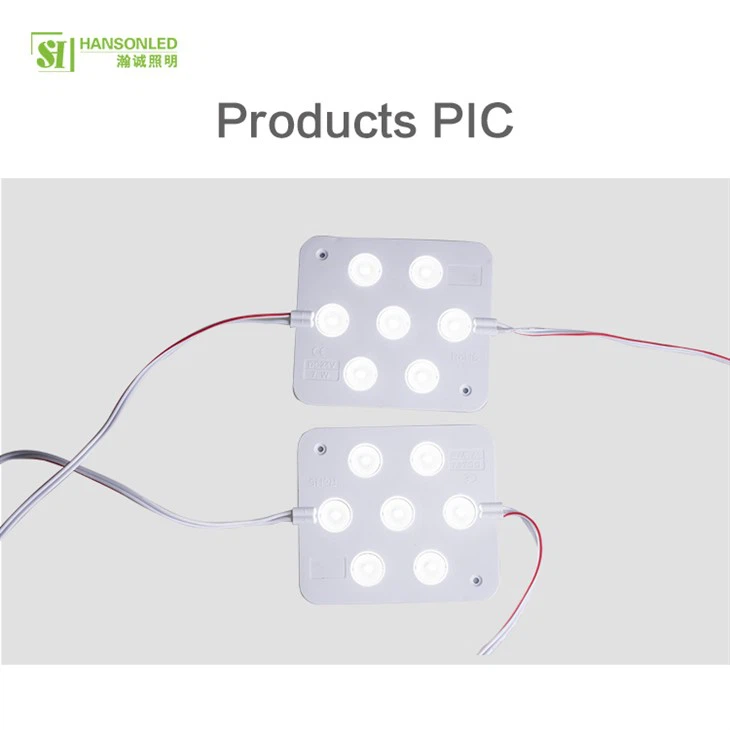
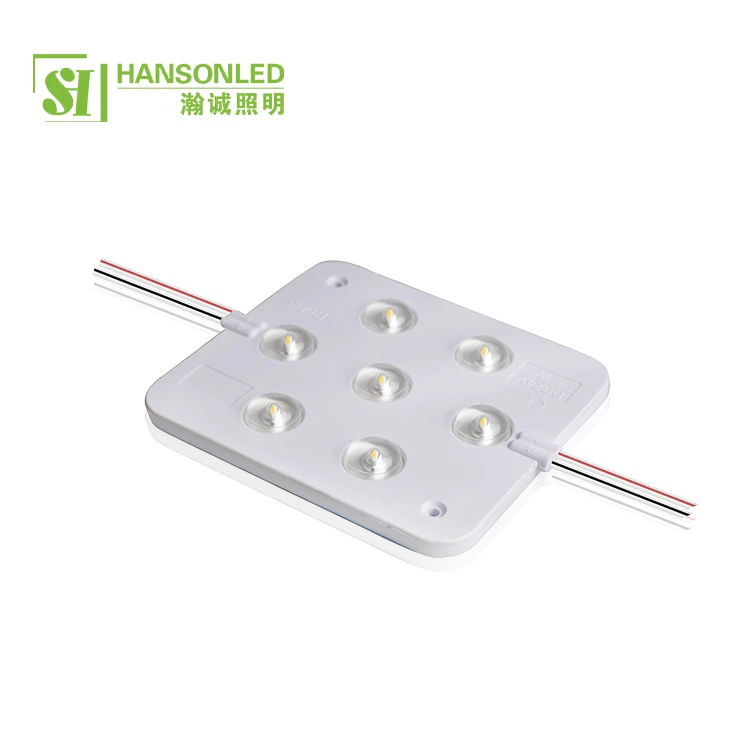
Measuring Current
To measure the current, you'll need a tool called a multimeter. A multimeter is a handy device that can measure various electrical properties like voltage, current, and resistance. Here's how you can use it to measure the current of your 24V LED module:
- Set up the multimeter: Turn the multimeter to the DC current measurement setting. Make sure to select a range that is higher than the expected current of your LED module. If you're not sure what the current will be, start with a higher range and then adjust it as needed.
- Connect the multimeter: You need to connect the multimeter in series with the LED module. This means that you'll have to break the circuit and insert the multimeter between the power supply and the LED module. Connect the red probe of the multimeter to the positive terminal of the power supply and the black probe to the positive terminal of the LED module.
- Power on the circuit: Once the multimeter is connected, turn on the power supply. The multimeter will display the current flowing through the LED module.
Let's say you measure a current of 0.5 amps. Now, we can calculate the power using the formula P = V × I. Substituting the values, we get P = 24V × 0.5A = 12 watts. So, the power of your 24V LED module is 12 watts.
Factors Affecting Power Measurement
There are a few factors that can affect the accuracy of your power measurement. Here are some things to keep in mind:
- Temperature: The performance of an LED module can be affected by temperature. As the temperature increases, the resistance of the LED may change, which can in turn affect the current and power consumption. Make sure to measure the power at a stable temperature.
- Dimming: If your LED module has a dimming function, the power consumption will vary depending on the dimming level. When the module is dimmed, the current flowing through it decreases, resulting in lower power consumption.
- Power Supply Variations: The voltage provided by the power supply may not be exactly 24 volts. Slight variations in the voltage can affect the current and power consumption of the LED module. Use a stable power supply and measure the actual voltage at the terminals of the LED module for more accurate results.
Different Types of 24V LED Modules
We offer a variety of 24V LED modules, each with its own power characteristics. Here are some of the popular types:
- 24V LED Module High Power: These modules are designed to provide high levels of illumination. They typically have a higher power consumption compared to other types of LED modules. When measuring the power of a high-power 24V LED module, you may need to use a multimeter with a higher current range.
- 24V LED Module 3 LED: As the name suggests, these modules contain three LEDs. The power consumption of a 24V LED module with three LEDs will depend on the specifications of the individual LEDs. You can measure the power of each LED separately and then add them up to get the total power consumption of the module.
- 24V LED Module Single LED: These modules are the simplest type, containing only one LED. Measuring the power of a single-LED 24V module is relatively straightforward. Just follow the steps mentioned above to measure the current and then calculate the power using the formula P = V × I.
Importance of Accurate Power Measurement
Accurately measuring the power of your 24V LED module is crucial for several reasons:
- Energy Efficiency: By knowing the power consumption of your LED module, you can choose the most energy-efficient option for your application. This can help you save on energy costs in the long run.
- System Design: When designing an electrical system that includes 24V LED modules, accurate power measurement is essential to ensure that the power supply can handle the load. Overloading the power supply can lead to system failures and even pose a safety hazard.
- Product Comparison: If you're comparing different 24V LED modules, power consumption is an important factor to consider. A module with lower power consumption may be more cost-effective and environmentally friendly.
Conclusion
Measuring the power of a 24V LED module is not as complicated as it may seem. With a multimeter and a basic understanding of electrical concepts, you can easily calculate the power consumption of your module. Remember to take into account the factors that can affect the accuracy of your measurement and choose the right type of module for your needs.
If you're interested in purchasing 24V LED modules, we'd love to hear from you. Whether you're looking for high-power modules, modules with multiple LEDs, or single-LED modules, we have a wide range of products to suit your requirements. Contact us for more information and let's start a discussion about your LED module needs.
References
- Physics textbooks on electrical circuits
- Manufacturer's specifications for 24V LED modules
