

Are top view neon flexes energy - efficient?
Wed 10,2025
Leave a message
As a supplier of Top View Neon Flex, I've encountered numerous inquiries about the energy - efficiency of these innovative lighting solutions. In this blog, I'll delve into the scientific aspects to provide a comprehensive answer to the question: Are top view neon flexes energy - efficient?
Understanding Top View Neon Flex Technology
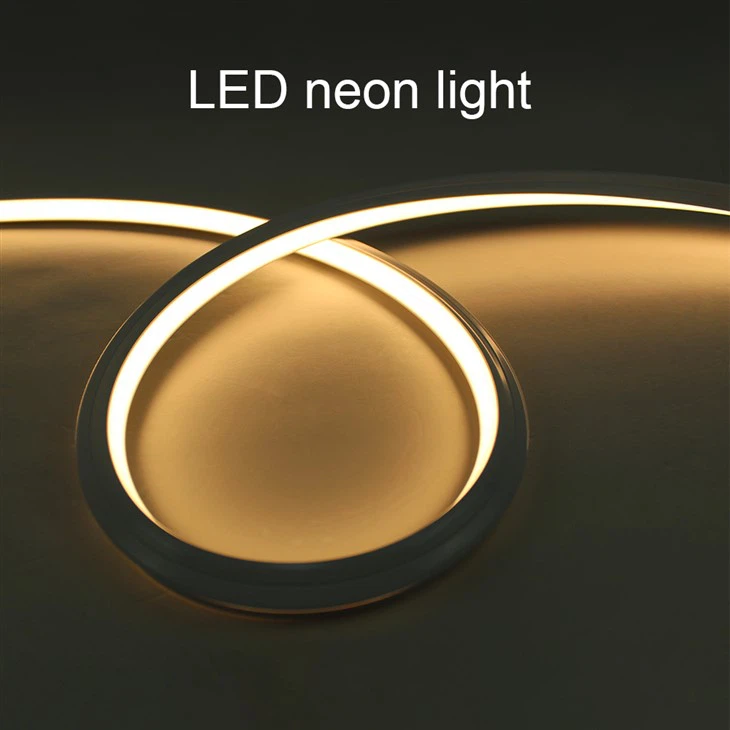
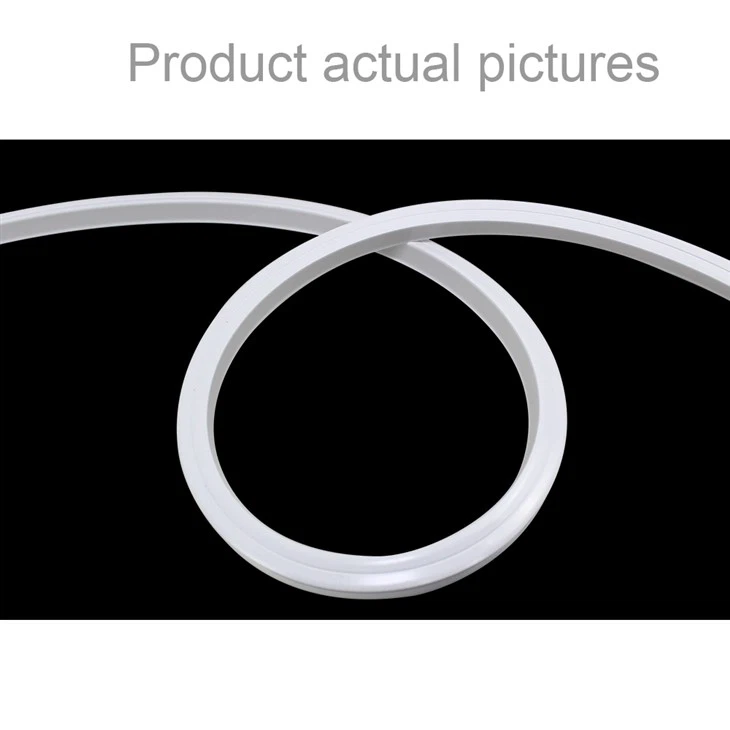
Top View Neon Flex is a type of lighting product that combines the aesthetic appeal of traditional neon lights with the modern benefits of LED technology. It features a flexible structure that can be bent and shaped to fit various design requirements, making it ideal for a wide range of applications, from architectural lighting to advertising signage.
The core of Top View Neon Flex is the LED chips. These chips are arranged in a way that the light is emitted from the top surface, creating a uniform and bright illumination. Compared to traditional neon lights, which rely on gas - filled glass tubes and high - voltage electrical currents to produce light, Top View Neon Flex uses solid - state LED technology.
Energy Efficiency Analysis
Low Power Consumption
One of the primary indicators of energy efficiency is power consumption. Traditional neon lights typically consume a significant amount of electricity. For example, a standard neon sign might use around 30 - 60 watts per meter. In contrast, Top View Neon Flex consumes far less power. Our Flexible Led Neon Rope Light models, for instance, can operate at as low as 7 - 10 watts per meter, depending on the specific product and its brightness settings. This substantial reduction in power consumption translates directly into lower energy bills for users.
High Luminous Efficacy
Luminous efficacy is another crucial factor in determining energy efficiency. It measures how effectively a light source converts electrical power into visible light. LED - based Top View Neon Flex has a much higher luminous efficacy compared to traditional neon lights. LEDs can convert a larger percentage of the electrical energy they consume into light, while traditional neon lights waste a significant amount of energy as heat.
The high luminous efficacy of Top View Neon Flex means that for the same amount of light output, it requires less power than traditional neon lights. For example, to achieve a certain level of brightness in a signage application, a traditional neon light might need to consume 50 watts, while a Top View Neon Flex Top View Neon Flex 1010 could achieve the same brightness with only 15 - 20 watts.
Long Lifespan
The lifespan of a light source also impacts its overall energy efficiency. Traditional neon lights have a relatively short lifespan, usually around 8,000 - 15,000 hours. This means that they need to be replaced frequently, which not only incurs additional costs but also requires more energy for the manufacturing and transportation of new lights.
In contrast, Top View Neon Flex has a much longer lifespan, often exceeding 50,000 hours. This extended lifespan reduces the frequency of replacements, resulting in less energy being used over the long term for the production and disposal of lighting products. Moreover, with a longer - lasting light source, users can enjoy consistent energy - efficient lighting for many years without having to worry about frequent replacements.
Environmental Impact
Reduced Carbon Footprint
Energy - efficient lighting solutions like Top View Neon Flex have a positive impact on the environment. Since they consume less electricity, the demand for power generation is reduced. Power generation, especially from fossil fuels, is a major contributor to greenhouse gas emissions. By using Top View Neon Flex, users can significantly reduce their carbon footprint. For example, a large - scale commercial signage project that switches from traditional neon lights to Top View Neon Flex can save thousands of kilowatt - hours of electricity each year, which in turn reduces the amount of carbon dioxide and other pollutants released into the atmosphere.
Mercury - Free
Traditional neon lights often contain mercury, a toxic substance that can have serious environmental and health impacts if not properly disposed of. Top View Neon Flex, on the other hand, is mercury - free. This makes it a more environmentally friendly choice, as there is no risk of mercury contamination during the manufacturing, use, or disposal of the lighting product.
Applications and Energy Savings
Top View Neon Flex is suitable for a wide range of applications, and in each of these applications, it offers significant energy savings.
Architectural Lighting
In architectural lighting, Top View Neon Flex can be used to highlight building facades, entrances, and interior features. By using energy - efficient Top View Neon Flex, architects and building owners can create stunning lighting effects while keeping energy costs under control. For example, a hotel that uses Top View Neon Flex to illuminate its exterior can save a substantial amount on its monthly electricity bill compared to using traditional neon or other high - energy lighting options.
Advertising Signage
Advertising signage is another area where Top View Neon Flex shines. Businesses can use these flexible lights to create eye - catching signs that are both energy - efficient and long - lasting. A small storefront sign made with Top View Neon Flex can operate continuously for a long time without consuming excessive energy, making it a cost - effective solution for businesses.
Factors Affecting Energy Efficiency
While Top View Neon Flex is generally highly energy - efficient, there are some factors that can affect its energy performance.
Brightness Settings
The brightness of the Top View Neon Flex can be adjusted. Higher brightness settings will naturally consume more power. However, users have the flexibility to choose the appropriate brightness level based on their specific needs. For example, in a low - light environment, a lower brightness setting can be used to save energy while still providing adequate illumination.
Quality of Components
The quality of the LED chips and other components used in the Top View Neon Flex also plays a role in its energy efficiency. High - quality components are more likely to have better performance and lower power consumption. As a supplier, we ensure that our Top View Neon Flex 1616 and other products are made with the highest - quality materials to maximize energy efficiency and overall performance.
Conclusion
In conclusion, Top View Neon Flex is indeed an energy - efficient lighting solution. Its low power consumption, high luminous efficacy, long lifespan, and positive environmental impact make it a superior alternative to traditional neon lights. Whether you're an architect looking to create energy - efficient building lighting, a business owner in need of eye - catching signage, or a homeowner wanting to add some decorative lighting, Top View Neon Flex is a great choice.
If you're interested in learning more about our Top View Neon Flex products or are considering a purchase, we invite you to contact us for a detailed discussion. Our team of experts is ready to assist you in finding the perfect lighting solution for your needs and to help you understand the potential energy savings you can achieve.
References
- DOE. (2023). Energy - Efficient Lighting Technologies. U.S. Department of Energy.
- IES. (2022). Lighting Handbook: Reference and Application. Illuminating Engineering Society.
