

How to recycle a Regular LED Strip?
Mon 22,2025
Leave a message
Recycling a regular LED strip is not only an environmentally responsible practice but also a way to contribute to the circular economy. As a regular LED strip supplier, I understand the importance of proper disposal and recycling of these products. In this blog post, I will share some insights on how to recycle a regular LED strip effectively.
Understanding the Components of a Regular LED Strip
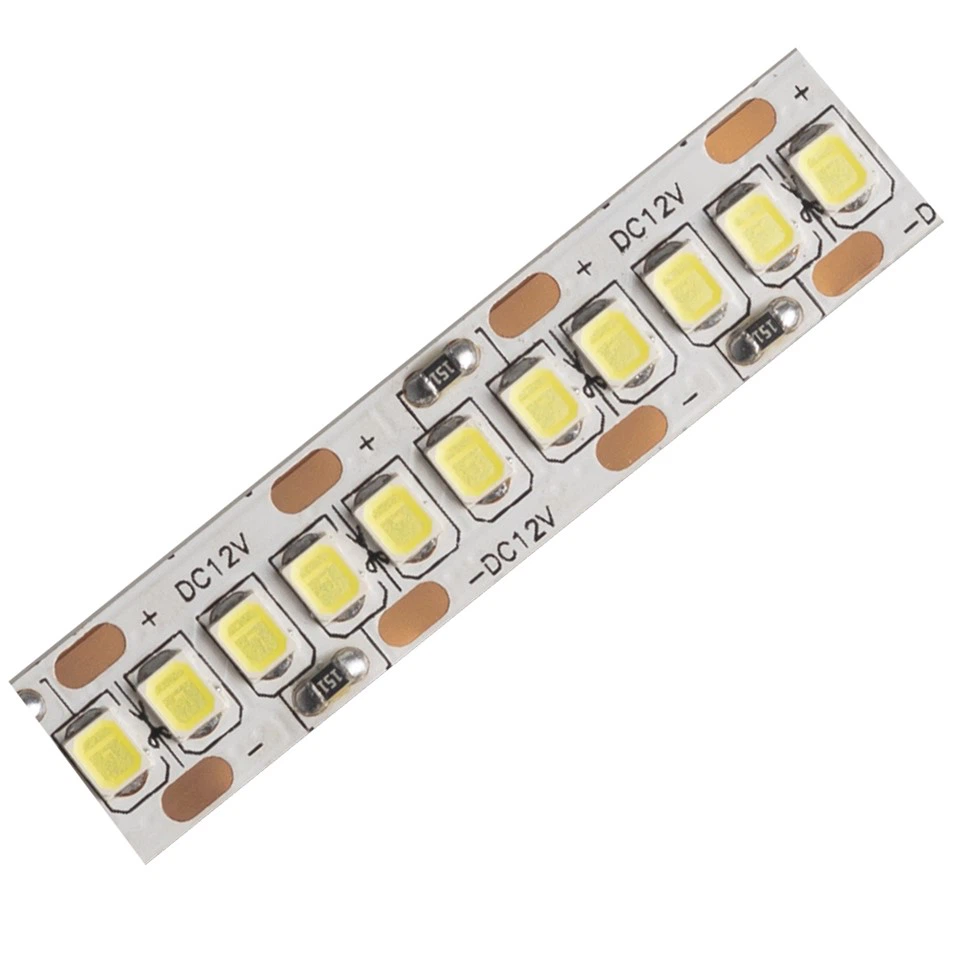
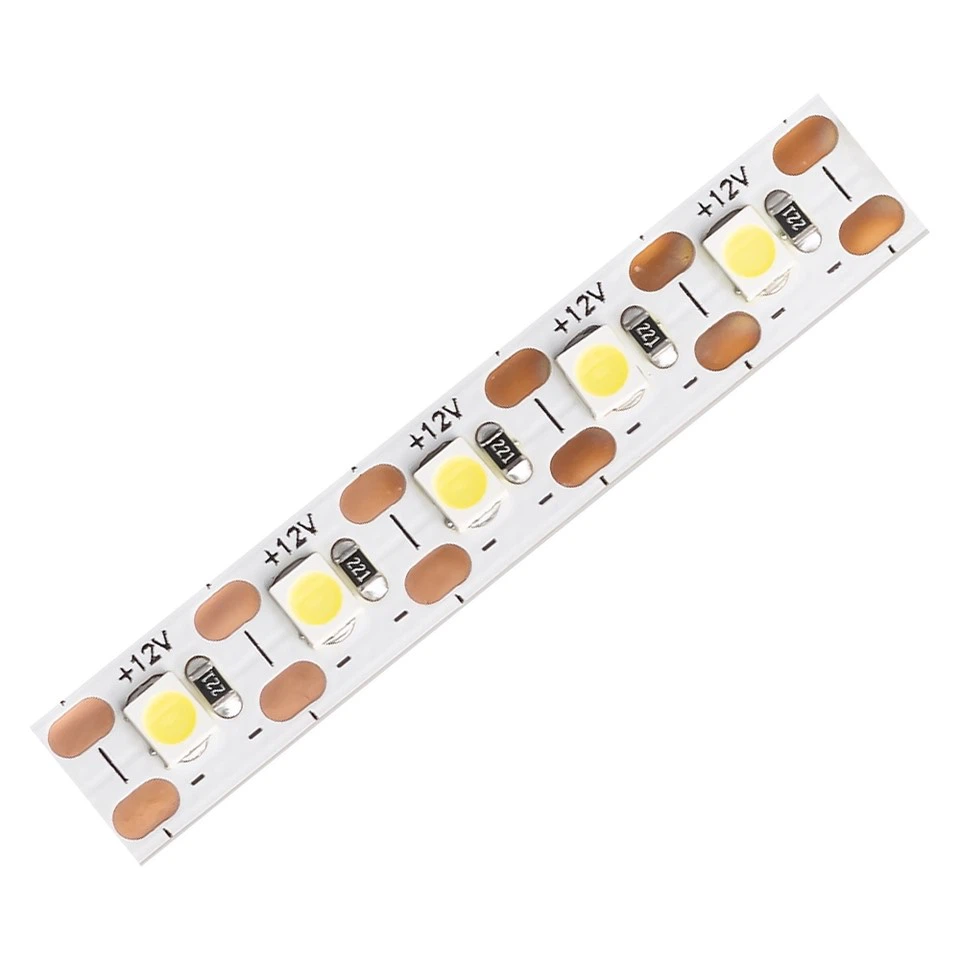
Before diving into the recycling process, it's essential to understand the components of a regular LED strip. A typical LED strip consists of the following parts:
- LED Chips: These are the light - emitting components of the strip. They are usually made of semiconductor materials such as gallium nitride (GaN).
- Printed Circuit Board (PCB): The PCB provides the electrical connections for the LED chips. It is often made of fiberglass or other insulating materials with copper traces.
- Wires and Connectors: These are used to connect the LED strip to a power source. They are typically made of copper or other conductive materials.
- Encapsulation Material: This protects the LED chips and the PCB. It can be made of silicone, epoxy, or other polymers.
Why Recycling LED Strips is Important
Recycling LED strips has several benefits:
- Environmental Protection: LED strips contain various materials, some of which can be harmful to the environment if not disposed of properly. Recycling helps prevent these materials from ending up in landfills, where they can leach into the soil and groundwater.
- Resource Conservation: Many of the materials used in LED strips, such as copper, aluminum, and precious metals, can be recycled and reused. This reduces the need for mining and extraction of new raw materials.
- Energy Savings: Recycling requires less energy compared to producing new materials from scratch. By recycling LED strips, we can save significant amounts of energy.
Steps to Recycle a Regular LED Strip
Step 1: Disconnect and Remove the LED Strip
First, make sure the LED strip is disconnected from the power source. Use a screwdriver or other appropriate tools to remove the strip from its mounting location. If the strip is attached with adhesive, carefully peel it off.
Step 2: Sort the Components
Once the LED strip is removed, separate the different components. You can use a pair of pliers or a small knife to carefully remove the LED chips from the PCB. Separate the wires and connectors from the rest of the strip as well.
Step 3: Check for Recycling Programs
Look for local recycling programs that accept LED strips. Many municipalities have specific recycling facilities or drop - off points for electronic waste. You can also check with recycling companies that specialize in electronic waste recycling. Some manufacturers may also offer take - back programs for their products.
Step 4: Prepare the Components for Recycling
Clean the separated components to remove any dirt, dust, or debris. If possible, group similar components together for easier recycling. For example, put all the LED chips in one container and the PCBs in another.
Step 5: Send the Components for Recycling
Once the components are prepared, send them to the appropriate recycling facility. Make sure to follow the instructions provided by the recycling program or company. They may have specific requirements for packaging and transportation.
Challenges in Recycling LED Strips
Despite the importance of recycling LED strips, there are several challenges:
- Complexity of Components: As mentioned earlier, LED strips consist of multiple components made of different materials. Separating these components can be time - consuming and requires specialized equipment.
- Lack of Awareness: Many consumers and businesses are not aware of the importance of recycling LED strips or where to recycle them. This lack of awareness can lead to improper disposal of these products.
- Cost: Recycling LED strips can be expensive, especially for small - scale operations. The cost of separating and processing the components can be a deterrent for some recycling facilities.
Our Role as a Regular LED Strip Supplier
As a regular LED strip supplier, we have a responsibility to promote recycling and make it easier for our customers. We can:
- Provide Information: We can educate our customers about the importance of recycling LED strips and provide them with information on local recycling programs.
- Offer Recycling Services: We can establish our own recycling program or partner with existing recycling facilities to offer recycling services to our customers.
- Design for Recycling: In the product design stage, we can consider the recyclability of the LED strips. For example, we can use materials that are easier to separate and recycle.
Examples of Our Regular LED Strips
We offer a wide range of regular LED strips, including 2835 LED Strip 1 LED Cut, 5mm LED Strip Light, and 2835 LED Strip 240 LED. These products are designed with high - quality materials and are suitable for various applications.
Encouraging Contact for Purchase and Recycling Consultation
If you are interested in purchasing our regular LED strips or have any questions about LED strip recycling, we encourage you to contact us. We have a team of experts who can provide you with detailed information and guidance on both product selection and recycling. Whether you are a small - scale DIY enthusiast or a large - scale commercial customer, we can meet your needs.
References
- "Recycling of Electronic Waste: A Review." Journal of Cleaner Production, Vol. 86, pp. 1 - 8.
- "LED Lighting Technology and Its Environmental Impact." Lighting Research and Technology, Vol. 45, No. 3, pp. 277 - 294.
- "The Circular Economy in the Electronics Industry." Electronics Journal, Vol. 6, No. 2, Article 42.
