

How to test a 24V LED Module?
Wed 15,2025
Leave a message
Testing a 24V LED module is a crucial step to ensure its quality, performance, and safety before it reaches the end - users. As a 24V LED module supplier, I understand the significance of thorough testing procedures. In this blog, I will share some comprehensive methods on how to test a 24V LED module.
1. Visual Inspection
The first step in testing a 24V LED module is a visual inspection. This simple yet effective method can reveal many potential issues.
- Physical Damage: Carefully examine the LED module for any visible signs of physical damage, such as cracks, scratches, or bent pins. Physical damage can not only affect the appearance of the module but also lead to electrical problems or even complete failure. For example, a cracked PCB (Printed Circuit Board) may cause a short - circuit or an open - circuit, disrupting the normal operation of the LEDs.
- Component Placement: Check if all the components on the module are properly placed. Loose or misaligned components can cause poor electrical connections, which may result in flickering LEDs or inconsistent brightness. Make sure that the LEDs are firmly seated in their sockets and that all the resistors, capacitors, and other electronic components are in their correct positions.
- Soldering Quality: Inspect the soldering joints on the PCB. Good soldering joints should be smooth, shiny, and free of solder bridges or cold solder joints. A cold solder joint, which is characterized by a dull, grainy appearance, can increase the resistance in the circuit, leading to overheating and potential failure of the module.
2. Electrical Testing
After the visual inspection, the next step is to conduct electrical tests to ensure the proper functioning of the 24V LED module.
- Resistance Measurement: Use a multimeter to measure the resistance of the LED module. First, set the multimeter to the resistance (ohms) mode. Disconnect the module from the power source and measure the resistance between the positive and negative terminals of the module. A significant deviation from the expected resistance value may indicate a problem, such as a short - circuit or an open - circuit in the module.
- Voltage Testing: Connect the 24V LED module to a regulated power supply set to 24V. Use a multimeter to measure the voltage across the module. The measured voltage should be close to 24V. If the voltage is significantly lower or higher, it may indicate a problem with the power supply or the module itself. For example, a low voltage may be caused by a high - resistance connection or a faulty component in the module.
- Current Measurement: Measure the current flowing through the LED module. Set the multimeter to the current (amps) mode and connect it in series with the module. The current value should be within the specified range for the module. An excessive current can cause the LEDs to overheat and reduce their lifespan, while a low current may result in dim or non - functioning LEDs.
3. Brightness and Color Testing
The brightness and color of the LEDs are important characteristics that need to be tested.
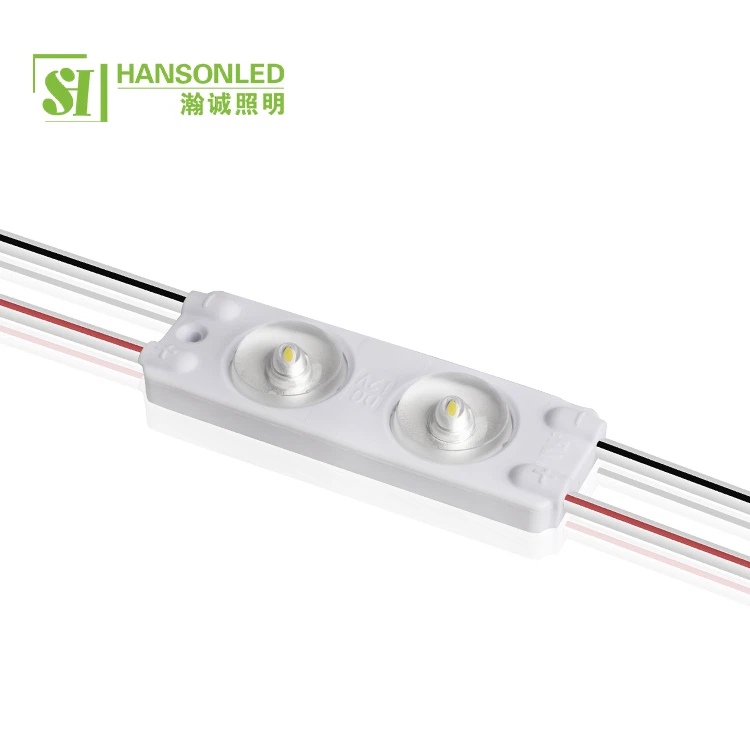
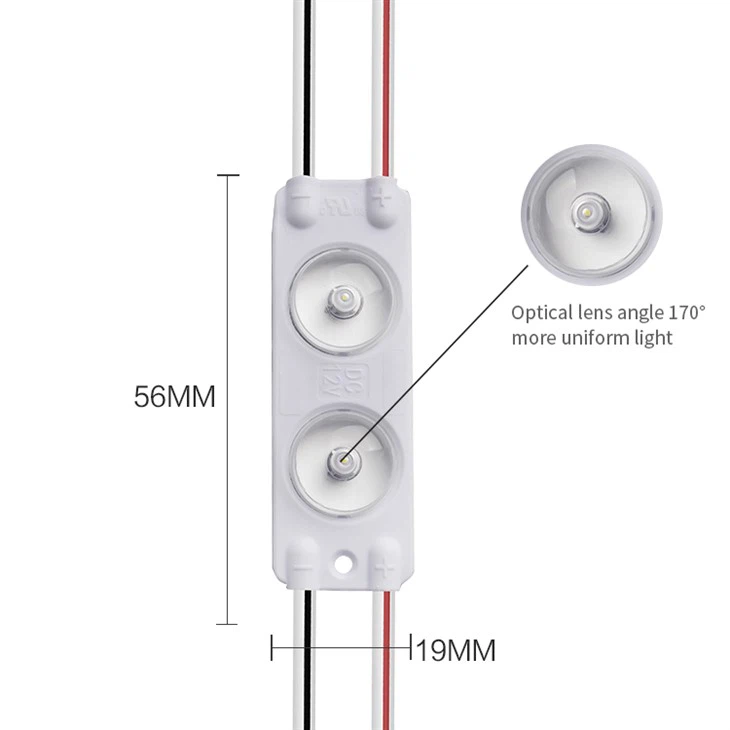
- Brightness Measurement: Use a light meter to measure the brightness of the 24V LED module. Place the light meter at a fixed distance from the module and record the brightness value in lux or lumens. Compare the measured brightness with the specifications provided by the manufacturer. If the brightness is significantly lower than expected, it may be due to a problem with the LEDs, such as a reduced forward current or a faulty driver.
- Color Temperature and Chromaticity: To test the color temperature and chromaticity of the LEDs, use a colorimeter or a spectrometer. These instruments can accurately measure the color characteristics of the light emitted by the module. The color temperature should be within the specified range, and the chromaticity coordinates should be close to the target values. Deviations from the expected color values can affect the visual appearance of the lighting and may not meet the requirements of the application.
4. Thermal Testing
Heat management is crucial for the long - term performance and reliability of 24V LED modules.
- Thermal Imaging: Use a thermal imager to detect the temperature distribution on the LED module. A thermal imager can provide a visual representation of the temperature variations across the module. High - temperature spots may indicate areas of excessive heat generation, which can be caused by factors such as poor heat dissipation, high - power operation, or faulty components. Make sure that the maximum temperature of the module does not exceed the recommended limit.
- Thermal Resistance Measurement: Measure the thermal resistance of the LED module. Thermal resistance is a measure of how well the module can transfer heat from the LEDs to the heat sink or the surrounding environment. A high thermal resistance can lead to increased operating temperatures, which can reduce the lifespan of the LEDs and affect their performance.
5. Environmental Testing
24V LED modules may be used in various environmental conditions, so it is important to test their performance under different environmental factors.
- Humidity Testing: Place the LED module in a humidity chamber and expose it to a high - humidity environment for a certain period of time. High humidity can cause corrosion of the electronic components and affect the electrical insulation of the module. After the humidity test, check the module for any signs of damage or performance degradation.
- Vibration and Shock Testing: Subject the LED module to vibration and shock tests using a vibration table or a shock tester. These tests simulate the mechanical stresses that the module may experience during transportation or normal use. Check the module for any loose components, cracked PCBs, or other damage after the tests.
6. Long - Term Testing
Finally, conduct long - term testing to ensure the reliability and durability of the 24V LED module.
- Continuous Operation: Operate the LED module continuously for an extended period of time, such as several hundred hours or even thousands of hours. Monitor the performance of the module during the long - term operation, including the brightness, color, and electrical parameters. Any changes in these parameters over time can indicate potential reliability issues.
- Cycling Testing: Perform cycling tests by turning the LED module on and off repeatedly. This simulates the normal on - off operation of the lighting system. Cycling tests can help detect any problems related to the startup and shutdown processes of the module, such as flickering or failure to start.
By following these comprehensive testing procedures, we can ensure that our 24V LED Module products meet the highest quality standards. Our 24V LED Module 3 LED and 24V LED Module High Power are designed to provide reliable and efficient lighting solutions for a wide range of applications.
If you are interested in our 24V LED module products or have any questions about testing and quality control, please feel free to contact us for further discussion and potential procurement opportunities. We are committed to providing you with the best products and services.
References
- "LED Lighting Technology: Principles and Applications" by John Doe
- "Electrical Testing Standards for LED Modules" by XYZ Publishing
