

How do I read the specifications of an RGB LED strip?
Tue 14,2025
Leave a message
Hey there! As a supplier of RGB LED strips, I often get asked how to read the specifications of these awesome lighting products. It might seem a bit confusing at first, but once you get the hang of it, it's actually pretty straightforward. In this blog post, I'll walk you through the key aspects of RGB LED strip specs so you can make informed decisions when it comes to purchasing.
LED Type and Quantity
The first thing you'll want to look at is the type of LEDs used in the strip. There are different variations like RGB, RGBW, and RGBWW. The RGB LEDs can produce a wide range of colors by mixing red, green, and blue light. You can check out our RGB LED Strip 120 LED which has 120 LEDs per strip, offering a high - density lighting solution.
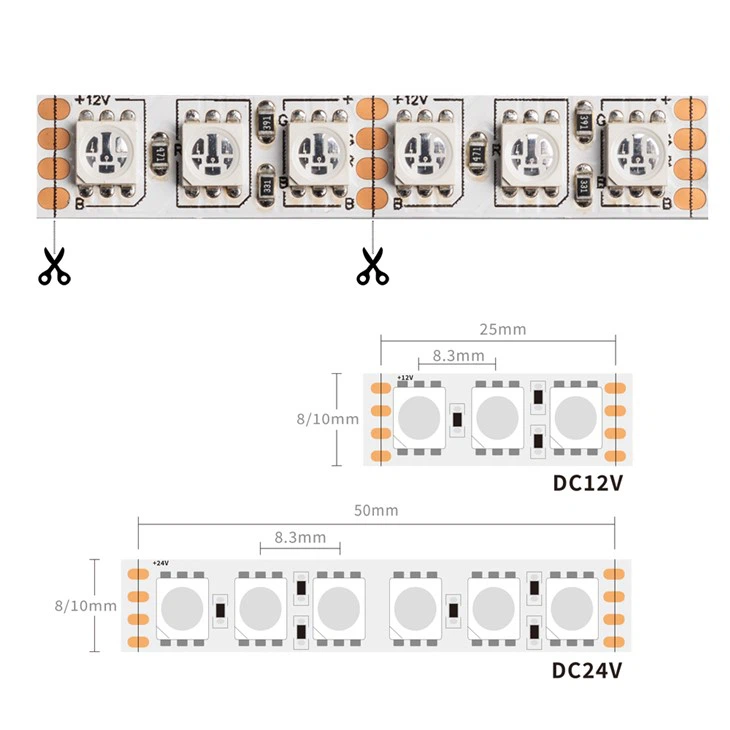
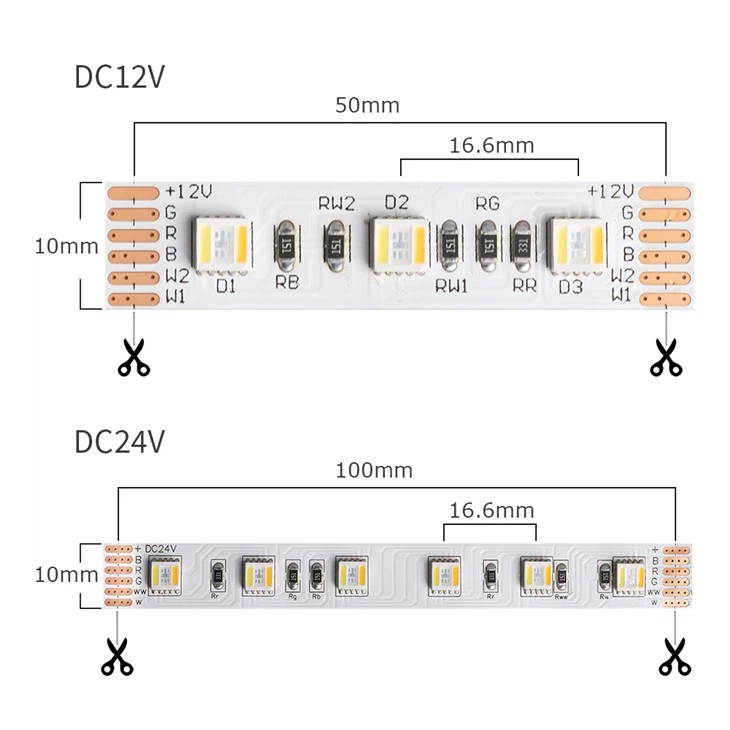
RGBW LEDs, on the other hand, add a white channel to the mix. This white channel can provide a pure white light, which is great for applications where you need both colored and white lighting. You can find more about our RGBW LED Strip.
RGBWW LEDs take it a step further by having two different types of white channels - warm white and cool white. This allows for even more flexibility in lighting design. Check out our RGBWW LED Strip for more details.
The quantity of LEDs per meter or per strip is also crucial. A higher number of LEDs generally means a brighter and more uniform light output. For example, a strip with 60 LEDs per meter will be less bright than one with 120 LEDs per meter.
Color Temperature
Color temperature is measured in Kelvin (K) and it describes the color appearance of the light. Lower color temperatures (around 2700K - 3000K) produce a warm, yellow - white light similar to traditional incandescent bulbs. This is great for creating a cozy and inviting atmosphere, like in a living room or a bedroom.
Higher color temperatures (around 5000K - 6500K) produce a cool, blue - white light. This is often used in areas where high visibility is required, such as offices or kitchens. When looking at RGB LED strip specs, make sure to check if the white light options (if available) have adjustable color temperatures.
Brightness
Brightness is typically measured in lumens. The higher the lumen value, the brighter the LED strip will be. However, it's important to note that the actual brightness you'll get also depends on factors like the viewing angle and the reflective properties of the surrounding environment.
Some RGB LED strip specs might list the brightness per LED or per meter. For example, if a spec says that each LED has a brightness of 5 lumens and there are 60 LEDs per meter, then the approximate brightness of the strip per meter would be 300 lumens.
Power Consumption
Power consumption is an important consideration, especially if you're planning to use the LED strips for extended periods. It's usually measured in watts per meter. A lower power consumption means lower energy costs in the long run.
To calculate the total power consumption of your LED strip installation, you need to know the length of the strip and the power consumption per meter. For example, if you have a 5 - meter strip that consumes 10 watts per meter, then the total power consumption would be 50 watts.
Waterproof Rating
If you're planning to use the RGB LED strips outdoors or in a damp environment, you'll need to pay attention to the waterproof rating. The most common rating system is the IP (Ingress Protection) rating.
An IP20 rating means that the strip is protected against solid objects larger than 12.5mm (like fingers) but has no protection against water. On the other hand, an IP65 rating means that the strip is dust - tight and protected against water jets from any direction. An IP68 rating offers even better protection, as it means the strip can be submerged in water for a certain period of time.
Viewing Angle
The viewing angle determines how wide the light spreads from the LED strip. A wider viewing angle means that the light will cover a larger area. RGB LED strips usually have a viewing angle of around 120° - 180°.
If you're using the strip to illuminate a large area, you'll want a wider viewing angle. But if you're using it for a more focused lighting effect, a narrower viewing angle might be more suitable.
Lifespan
The lifespan of an RGB LED strip is an important factor to consider. It's usually measured in hours. A high - quality LED strip can have a lifespan of 25,000 - 50,000 hours or more.
This means that if you use the LED strip for 8 hours a day, it could last for around 8 - 17 years. A longer lifespan means less frequent replacements, which can save you money and hassle in the long run.
Connectivity and Control
Most RGB LED strips can be controlled using a remote control or a smartphone app. Some specs might mention the type of control system available, such as DMX control or Bluetooth control.
DMX control is often used in professional lighting installations as it allows for more precise control of multiple LED strips. Bluetooth control, on the other hand, is more user - friendly and convenient for home use.
Conclusion
Reading the specifications of an RGB LED strip might seem like a lot of work at first, but it's really worth it. By understanding these key aspects, you can choose the right LED strip for your specific needs.
Whether you're looking for a bright, high - density RGB LED strip for a commercial project or a cozy, adjustable RGBWW LED strip for your home, we've got you covered. If you have any questions about our products or need help choosing the right RGB LED strip, don't hesitate to reach out. We're here to assist you with your purchasing decisions and can offer great deals for bulk orders. Let's start a conversation and see how we can light up your world!
References
- General knowledge from the LED lighting industry
- In - house product specifications and research
