

How to connect a Light Box LED Module to a power source?
Mon 27,2025
Leave a message
Hey there! As a supplier of Light Box LED Modules, I often get asked about how to connect these nifty little things to a power source. It might seem a bit daunting at first, but trust me, it's not as hard as it looks. In this blog post, I'll walk you through the whole process step by step.
First off, let's talk about why Light Box LED Modules are so great. They're super energy - efficient, have a long lifespan, and can produce a really bright and even light. Whether you're using them for a business sign, a display in a store, or just for some cool home decor, they're a top - notch choice.
Now, before we start connecting anything, you need to gather all the necessary tools and materials. You'll need your Light Box LED Module, of course. If you're looking for different types of modules, you can check out our Sign Box LED Module, Adafruit led backlight module, and Led sign modules. Besides the module, you'll also need a power source, which could be a battery pack or a power adapter, some wire cutters and strippers, and electrical tape.
The first step is to understand the power requirements of your LED module. Every module has a specific voltage and current rating. You can usually find this information on the product label or in the user manual. It's crucial to match the power source to these requirements. If you use a power source with too high a voltage, you could damage the module, and if it's too low, the module might not work properly.
Let's assume you're using a power adapter as your power source. The first thing you need to do is to check the output voltage of the adapter. It should match the voltage rating of your LED module. Once you've confirmed that, it's time to start making the connections.
Take your wire cutters and cut two pieces of wire to an appropriate length. You want them to be long enough to reach from the power adapter to the LED module without being too long and getting in the way. Then, use the wire strippers to remove about half an inch of insulation from the ends of each wire.
Next, look at your LED module. It will have two terminals, usually labeled as positive (+) and negative (-). The positive terminal is often marked with a red wire or a plus sign, and the negative terminal with a black wire or a minus sign. Connect one end of the first wire to the positive terminal of the LED module. You can do this by soldering the wire to the terminal or using a connector if your module has one. Make sure the connection is secure.
Now, take the other end of the same wire and connect it to the positive output of the power adapter. Again, ensure a good connection. Do the same for the negative terminal of the LED module and the negative output of the power adapter with the second wire.
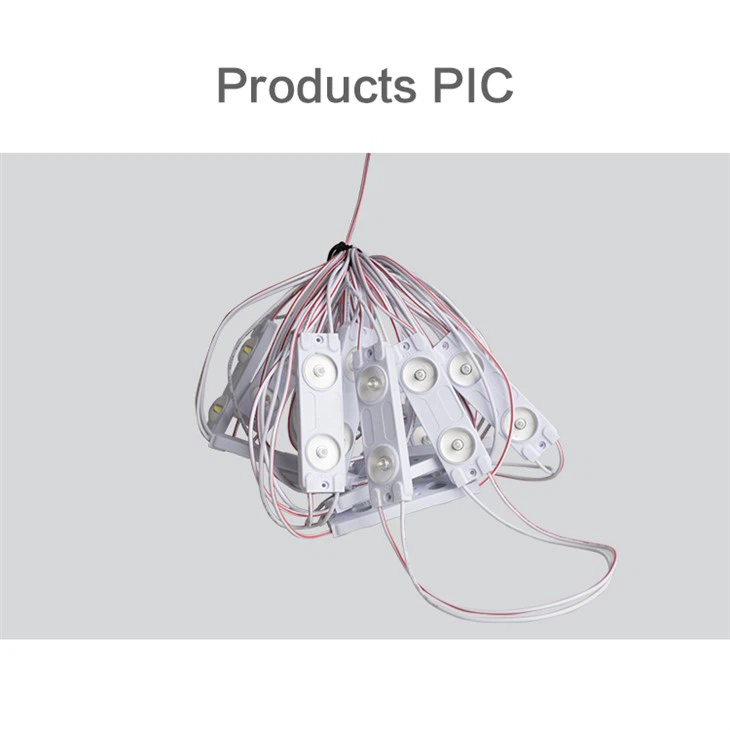
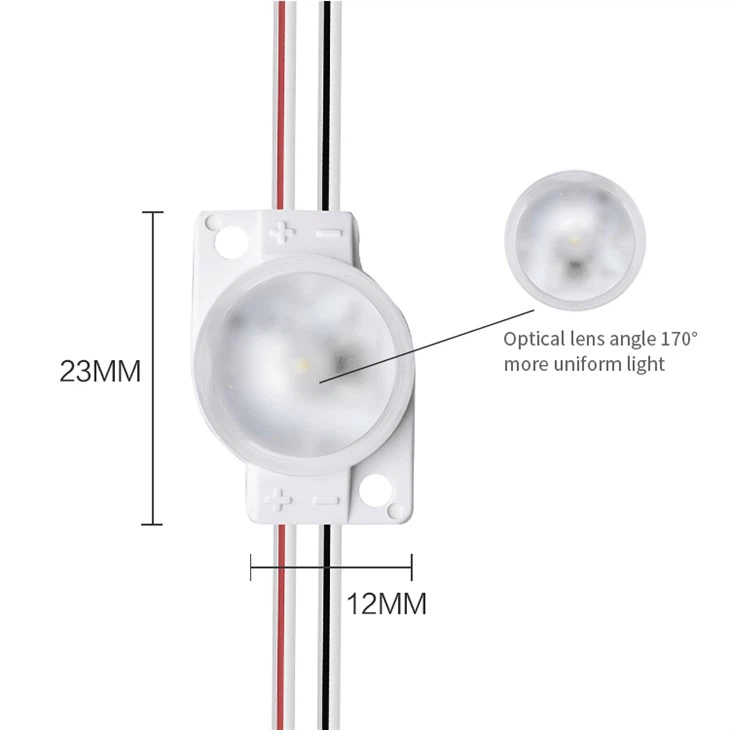
After making the connections, it's a good idea to use electrical tape to wrap around the exposed parts of the wires and connections. This will prevent any short - circuits and keep everything safe.
If you're using a battery pack as a power source, the process is a bit different. First, check the number of batteries the battery pack can hold and the type of batteries (e.g., AA, AAA). Make sure the combined voltage of the batteries matches the voltage rating of your LED module.
Open the battery pack and insert the batteries according to the polarity markings inside the pack. Then, connect the wires from the battery pack to the LED module in the same way as you did with the power adapter. Positive to positive and negative to negative.
Once you've completed all the connections, it's time to test your setup. Plug in the power adapter or turn on the battery pack. If everything is connected correctly, your Light Box LED Module should light up. If it doesn't, double - check your connections. Make sure the wires are properly connected to the right terminals and that there are no loose connections.
There are a few things to keep in mind when connecting your LED module to a power source. Always work in a well - lit and dry area to avoid any accidents. And never touch the connections while the power is on. If you're not confident in your electrical skills, it might be a good idea to have someone with more experience help you out.
In some cases, you might want to connect multiple LED modules together. If you do this, you need to make sure that the total power requirements of all the modules combined are within the capacity of your power source. You can connect the modules in series or parallel. When connecting in series, you connect the positive terminal of one module to the negative terminal of the next module. When connecting in parallel, you connect all the positive terminals together and all the negative terminals together.
Connecting a Light Box LED Module to a power source is not that difficult once you understand the basic steps. It just requires a bit of attention to detail and following the right procedures. If you have any questions or need more information about our Light Box LED Modules, don't hesitate to reach out to us. We're here to help you with your LED needs and guide you through the process. Whether you're a small business owner looking to brighten up your sign or a DIY enthusiast working on a cool project, our modules are a great choice. So, if you're interested in purchasing our products for your next project, feel free to contact us for more details and start a purchase negotiation.
References
- General knowledge of electrical connections and LED technology.
- Product manuals and specifications of Light Box LED Modules.
