

What is the refresh rate of an RGB LED strip?
Fri 31,2025
Leave a message
Hey there! As a supplier of RGB LED strips, I often get asked about the refresh rate of these amazing lighting products. So, in this blog post, I'm gonna break it down for you and explain what the refresh rate of an RGB LED strip is, why it matters, and how it can affect your lighting experience.
What is the Refresh Rate?
Let's start with the basics. The refresh rate of an RGB LED strip refers to how often the colors on the strip can be updated or changed per second. It's measured in Hertz (Hz). For example, if an RGB LED strip has a refresh rate of 60 Hz, it means the colors on the strip can be updated 60 times every second.
Think of it like a movie. A movie with a higher frame rate looks smoother and more fluid because the images are changing more frequently. Similarly, an RGB LED strip with a higher refresh rate can create smoother color transitions and more dynamic lighting effects.
Why Does the Refresh Rate Matter?
The refresh rate plays a crucial role in the overall performance and visual appeal of your RGB LED strip. Here are a few reasons why it matters:
Smooth Color Transitions
A higher refresh rate ensures that color changes on the LED strip are smooth and seamless. If the refresh rate is too low, you might notice a jerky or stuttering effect when the colors are changing. This can be especially noticeable when you're using lighting effects that involve rapid color changes, like a strobe or a rainbow cycle.
Reduced Flickering
Flickering is a common issue with LED lights, especially when they're being used with certain types of controllers or power supplies. A higher refresh rate can help reduce or eliminate flickering, making the lighting more comfortable for your eyes. This is particularly important if you're using the LED strip in a space where you'll be spending a lot of time, like a living room or a bedroom.
Enhanced Dynamic Effects
If you're into creating cool lighting effects, a higher refresh rate is a must. It allows you to create more complex and dynamic effects, like chasing lights, fading colors, and synchronized patterns. With a low refresh rate, these effects might not look as impressive or might not work at all.
Factors Affecting the Refresh Rate
Several factors can affect the refresh rate of an RGB LED strip. Here are some of the most important ones:
LED Driver
The LED driver is responsible for powering the LED strip and controlling the flow of electricity. A high-quality LED driver with a fast response time can support a higher refresh rate. On the other hand, a cheap or low-quality driver might limit the refresh rate and cause issues with color accuracy and smoothness.
Controller
The controller is what you use to program and control the lighting effects on the LED strip. Some controllers are designed to support higher refresh rates than others. If you want to take full advantage of the capabilities of your RGB LED strip, make sure you choose a controller that can handle the refresh rate you need.
Data Transmission
The way the data is transmitted from the controller to the LED strip can also affect the refresh rate. If the data transmission is slow or unreliable, it can cause delays and reduce the overall refresh rate. This is why it's important to use high-quality cables and connectors to ensure a stable and fast data transfer.
Types of RGB LED Strips and Their Refresh Rates
There are several types of RGB LED strips available on the market, each with its own refresh rate capabilities. Here are some of the most common types:
3838 RGB LED Strip
The 3838 RGB LED Strip is a popular choice for many lighting applications. It typically has a refresh rate of around 30 - 60 Hz, which is suitable for most basic lighting effects. However, if you're looking for more advanced effects, you might want to consider a strip with a higher refresh rate.
RGBWW LED Strip
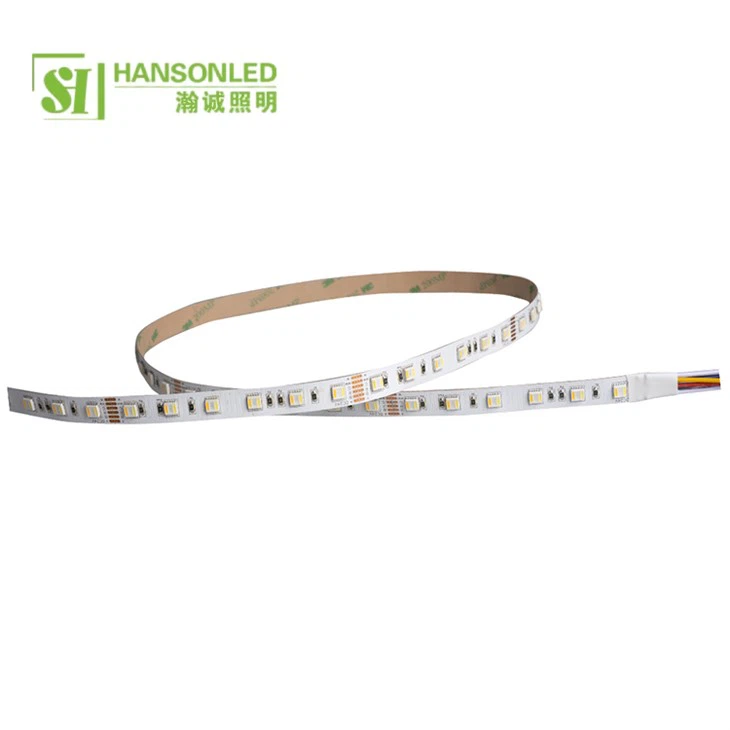
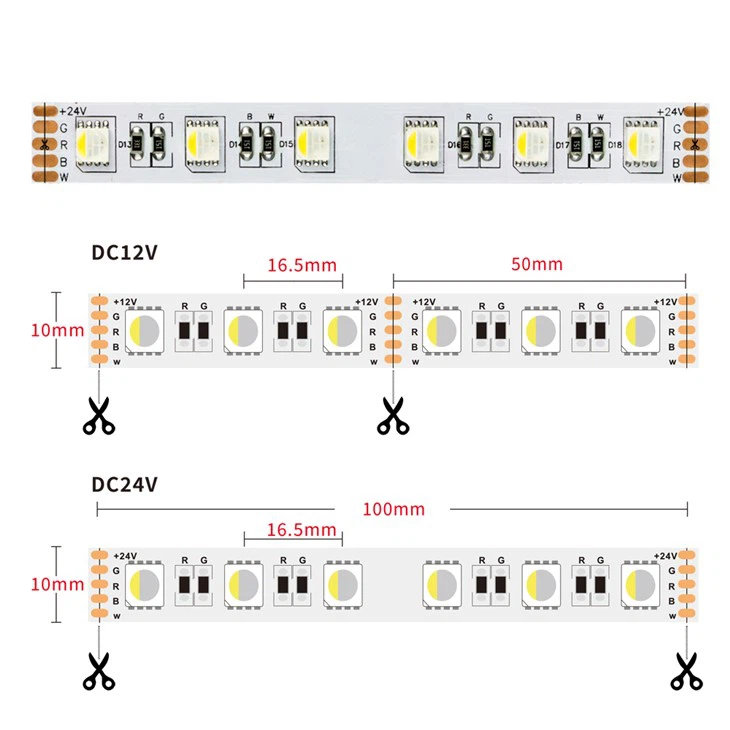
The RGBWW LED Strip combines RGB colors with warm white and cool white LEDs, allowing for a wider range of color temperatures and lighting effects. These strips usually have a refresh rate of 60 - 120 Hz, which provides smoother color transitions and better performance for dynamic lighting effects.
RGBW LED Strip
The RGBW LED Strip adds a white LED to the traditional RGB setup, which can enhance the brightness and color accuracy of the lighting. RGBW strips often have a refresh rate of 60 - 240 Hz, making them ideal for creating high-quality, dynamic lighting effects.
Choosing the Right Refresh Rate for Your Needs
So, how do you choose the right refresh rate for your RGB LED strip? It really depends on your specific needs and preferences. Here are some things to consider:
Lighting Application
If you're using the LED strip for basic ambient lighting, a lower refresh rate (around 30 - 60 Hz) might be sufficient. However, if you're planning to use it for more advanced lighting effects, like in a home theater or a party setup, you'll want a higher refresh rate (60 Hz or above).
Budget
Higher refresh rates usually come with a higher price tag. So, you'll need to balance your budget with your desired refresh rate. If you're on a tight budget, you might have to compromise on the refresh rate, but you can still find some good-quality LED strips with a decent refresh rate at an affordable price.
Compatibility
Make sure the refresh rate of the LED strip is compatible with your controller and other lighting equipment. If the refresh rate is too high for your controller, it might not work properly or might cause issues with the lighting effects.
Conclusion
In conclusion, the refresh rate of an RGB LED strip is an important factor to consider when choosing the right lighting for your needs. A higher refresh rate can provide smoother color transitions, reduced flickering, and enhanced dynamic effects, but it also comes with a higher cost. By understanding the factors that affect the refresh rate and choosing the right strip for your application, you can create a stunning lighting display that meets your expectations.
If you're interested in purchasing RGB LED strips or have any questions about refresh rates or other lighting-related topics, feel free to reach out to us. We're here to help you find the perfect lighting solution for your project.
References
- LED Lighting Basics: Understanding Refresh Rates. (n.d.). Retrieved from various industry resources on LED lighting technology.
- How to Choose the Right RGB LED Strip for Your Project. (n.d.). Compiled from practical experience and market research in the LED lighting industry.
